Have you ever wondered what truly flows from your tap beyond just water? In today’s world, ensuring your family has access to clean, safe drinking water is more crucial than ever. With an increasing awareness of potential contaminants lurking in our water supply, choosing the right water filter is a decision that impacts health, taste, and peace of mind. This comprehensive guide will navigate the complex world of water filters, offering expert insights and top picks for 2026 to help you make the best choice for your home. We’ll explore various types, discuss essential buying factors, and provide practical tips to ensure your water is always pristine.
What is a Water Filter? Why You Need One?
A water filter is a device that removes impurities and contaminants from water, improving its quality for various uses, especially drinking and cooking. Its importance cannot be overstated in safeguarding public health and enhancing daily life.
Tap water, even when deemed safe by municipal standards, can still contain a surprising array of substances. Common impurities include chlorine (used for disinfection), sediment (rust, dirt), heavy metals (lead, mercury, arsenic), industrial chemicals (VOCs), agricultural runoff (pesticides, nitrates), and emerging contaminants like PFAS “forever chemicals” and microplastics. Exposure to these can lead to various health concerns, from gastrointestinal issues to long-term developmental and neurological problems. Using a water filter provides a crucial barrier, significantly reducing these risks. Beyond safety, filtered water often tastes better, smells cleaner, and can even extend the life of your appliances by reducing scale buildup. It’s an investment in your well-being and a step towards a healthier, more sustainable lifestyle.
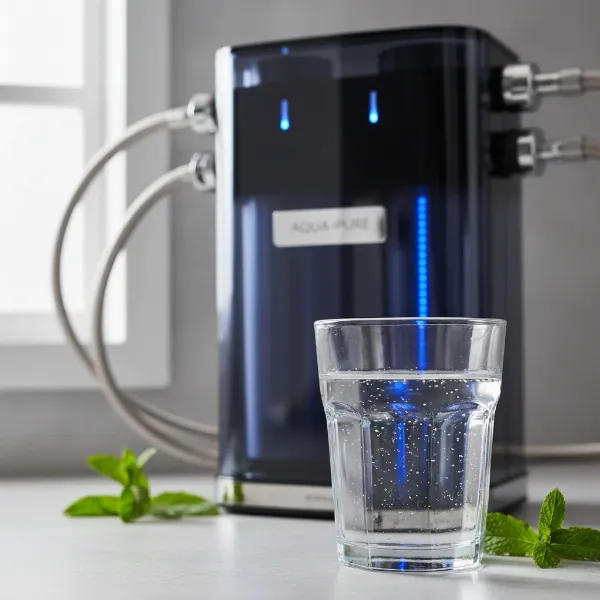 A clear glass of clean, filtered water with a modern water filter system in the background, emphasizing purity and health benefits.
Popular Types of Water Filters on the Market
The market offers a diverse range of water filters, each designed to meet different needs and budgets. Understanding the distinctions between these types is key to selecting the perfect system for your household.
Pitcher Water Filters
- Pros: Highly affordable, require no installation, portable, and ideal for individuals or small households. They significantly improve taste and odor by reducing chlorine and some common contaminants.
- Cons: Slow filtration speed, limited capacity, and filters need frequent replacement. They typically offer less comprehensive filtration compared to more advanced systems.
- Ideal User: Renters, students, or anyone seeking a basic, cost-effective solution for better-tasting water without permanent installation.
|
Our Picks for the Best Water Filter in 2026
As an Amazon Associate I earn from qualifying purchases.
|
||
| Num | Product | Action |
|---|---|---|
| 1 | everydrop by Whirlpool Ice and Water Refrigerator Filter 1, EDR1RXD1, Single-Pack , Purple |

|
| 2 | ZeroWater 20-Cup Ready-Pour 5-Stage Water Filter Dispenser with 0 TDS Water Filter – IAPMO Certified to Reduce Lead, Chromium, and PFOA/PFOS |
|
| 3 | FRIGIDAIRE ULTRAWF Pure Source Ultra Water Filter, Original, White, 1 Count |
|
| 4 | ZeroWater 32-Cup 5-Stage Water Filter Dispenser with Instant Read Out - 0 TDS for Improved Tap Water Taste - IAPMO Certified to Reduce Lead, Chromium, and PFOA/PFOS |
|
| 5 | GLACIER FRESH Water Filter Compatible with XWFE (Built-in CHIP), Replacement for GE XWFE, XWF Refrigerator Water Filter NSF/ANSI 42 Certification Pack of 1 |
|
| 6 | Samsung HAF-QIN/EXP Genuine Refrigerator Water Filter, Reduces 99% of Harmful Contaminants for Clean, Clear Drinking Water, 6-Month Life, Easy Install, Pack of 1 |
|
| 7 | everydrop® by Whirlpool Refrigerator Water Filter A - EDRARXD1 (Pack of 1) |
|
| 8 | Brita UltraMax Large Water Dispenser With Standard Filter, BPA-Free, Reduces Copper, Cadmium and Mercury Impurities, Lasts 2 Months or 40 Gallons, Includes 1 Filter, Kitchen Accessories, Large 27-Cup |
|
| 9 | Brita Metro Water Filter Pitcher with SmartLight Change Indicator, BPA-Free, Replaces 1,800 Plastic Water Bottles a Year, Lasts Two Months, Includes 1 Filter, Small - 6-Cup Capacity, White |
|
| 10 | E-3000UV Whole House Salt-Free Water Softener & Filter Combo with UV |
|
Faucet-Mounted Water Filters
- Pros: Easy to install directly onto your existing faucet, providing filtered water on demand. They offer a more convenient alternative to pitchers and are still relatively affordable.
- Cons: Can reduce water flow, may not fit all faucet types, and their filtration capacity is often limited to chlorine, sediment, and some lead.
- Ideal User: Those who want filtered water readily available at the sink without altering plumbing, suitable for small to medium-sized households.
Whole-House Water Filters
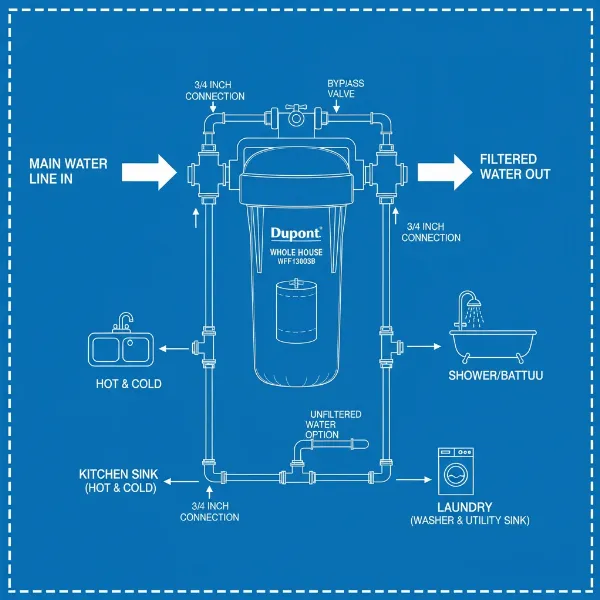
- Pros: Filters all water entering your home, protecting every tap, shower, and appliance from contaminants. These systems offer comprehensive protection against sediment, chlorine, and various other impurities, ensuring consistent water quality throughout the house.
- Cons: Higher upfront cost and professional installation is often required. Filter replacement can be more involved and costly than point-of-use options.
- Ideal User: Homeowners looking for complete water purification for their entire property, especially those with hard water issues, municipal chlorine concerns, or general water quality worries.
Reverse Osmosis (RO) Water Filtration Systems
- Pros: Widely considered the most effective filtration method, RO systems remove up to 99% of dissolved solids, including heavy metals, fluoride, PFAS, nitrates, bacteria, and viruses. They provide exceptionally pure drinking water.
- Cons: Slower filtration rate, produce some wastewater, and typically require professional installation under the sink. RO water can also strip beneficial minerals.
- Ideal User: Those seeking the highest level of water purity for drinking and cooking, especially in areas with known severe contamination or concerns about specific dissolved solids.
Ultrafiltration (UF) Water Filtration Systems
- Pros: UF systems use a semi-permeable membrane to physically block bacteria, viruses, colloids, and suspended solids while retaining beneficial minerals. They offer a high flow rate and do not produce wastewater like RO systems.
- Cons: Do not remove dissolved salts, heavy metals, or very small chemical contaminants as effectively as RO.
- Ideal User: Households concerned about microbial contamination (bacteria, viruses) and larger particles but wish to retain natural minerals in their water, offering a balance between filtration power and water conservation.
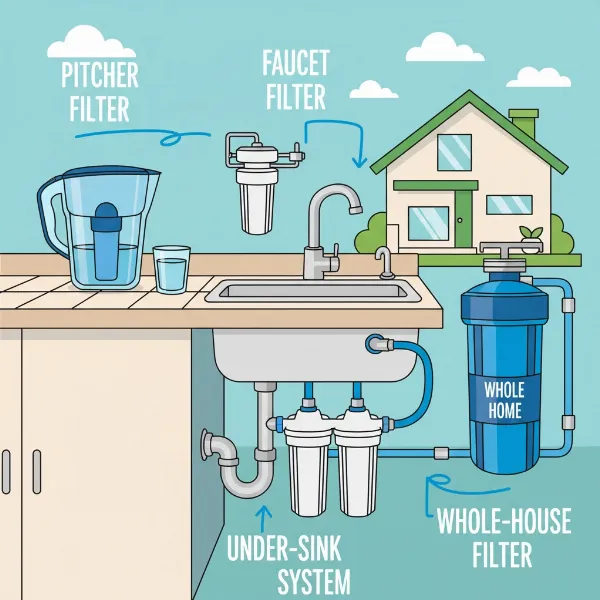 An illustrative graphic comparing various types of water filters for home use, including pitcher, faucet, whole-house, and under-sink RO systems, highlighting their different applications.
Comparing Water Filter Types: A Detailed Overview
Choosing the right water filter often comes down to balancing filtration effectiveness, cost, and convenience. This table offers a side-by-side comparison to help clarify the differences between popular types.
| Feature | Pitcher Filter | Faucet Filter | Whole-House Filter | RO System | UF System |
|---|---|---|---|---|---|
| Effectiveness | Basic (taste, odor, Cl) | Moderate (Cl, sediment, some lead) | Comprehensive (sediment, Cl, heavy metals) | Superior (99% dissolved solids, microbes) | Excellent (microbes, suspended solids) |
| Filtration Speed | Slow | On-demand (reduced flow) | High | Slow | High |
| Filter Lifespan | 1-2 months | 2-3 months | 6-12 months (cartridges), 10-15 years (system) | Pre-filters 6-18 months, membrane 2 years | 6-12 months |
| Cost (Initial) | Low | Low-Moderate | High | Moderate-High | Moderate-High |
| Cost (Annual Maint.) | Moderate | Moderate | Moderate-High | Moderate-High | Moderate |
| Convenience | Portable, no install | Easy install, on-demand | Install at entry point | Under-sink, separate faucet | Under-sink/countertop |
| Installation | None | DIY | Professional recommended | Professional recommended | DIY/Professional |
| Wastewater | None | None | None | Yes (significant) | None |
| Mineral Retention | Yes | Yes | Yes | No (removes most) | Yes |
How to Buy the Perfect Water Filter: Key Factors to Consider
Selecting a water filter is a significant decision that depends heavily on your specific needs and environment. Thoughtful consideration of several factors will guide you to the ideal choice.
Water Source and Contamination Level
Before anything else, understand your water. Is it municipal tap water, well water, or rainwater? Each source has different potential contaminants. Municipal water typically contains chlorine and may have aging infrastructure leading to lead or other byproducts. Well water, on the other hand, can be susceptible to bacteria, nitrates, heavy metals, and hard water minerals. Conducting a professional water test is highly recommended to pinpoint exact contaminants and their concentrations, allowing you to choose a filter specifically designed to address those issues.
Usage Needs
Consider how much water you need filtered and for what purpose. A small household primarily seeking better-tasting drinking water might find a pitcher filter sufficient. However, a large family requiring filtered water for cooking, drinking, and potentially even bathing might benefit more from a whole-house system or a high-capacity under-sink filter. The number of users and the desired flow rate will directly influence the type and capacity of the filter you need.
Budget
Water filters range widely in price, from under $50 for basic pitcher filters to several thousand dollars for advanced whole-house RO systems. Your budget should account for both the initial purchase price and ongoing maintenance costs, including replacement filters, which can vary significantly in frequency and expense. Sometimes a higher upfront investment in a durable system with long-lasting filters can be more economical in the long run.
Brand Reputation and Supplier
Opting for reputable brands with a proven track record in water filtration ensures you’re investing in quality and reliability. Research customer reviews, product warranties, and the manufacturer’s commitment to customer service. Likewise, choose a trustworthy supplier who can provide authentic products and knowledgeable support. Be cautious of overly cheap alternatives that might compromise on filtration efficacy or product longevity.
Quality Certifications
Certifications from independent third-party organizations are paramount when evaluating water filters. Look for certifications like NSF/ANSI standards (e.g., NSF/ANSI 42 for aesthetic contaminants like chlorine, 53 for health effects like lead and cysts, 58 for RO systems, and 401 for emerging contaminants) or WQA Gold Seal. These certifications verify that a filter performs as advertised in removing specific contaminants and meets strict safety and performance standards. A product claiming to be “tested to NSF standards” without actual certification should be viewed with skepticism.
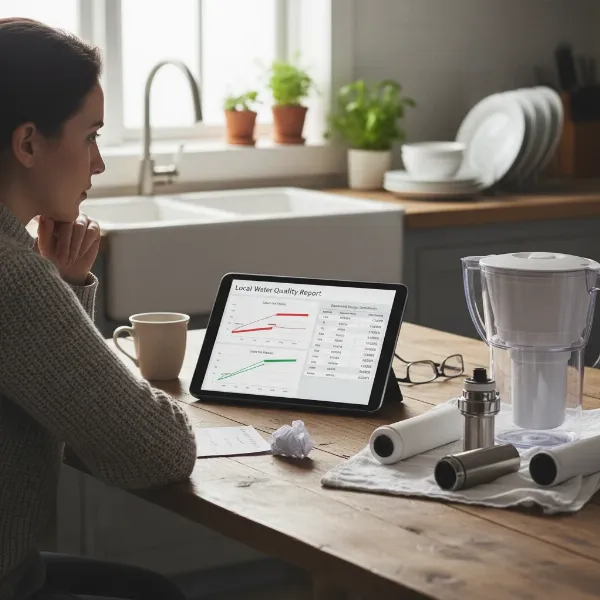 A person thoughtfully considering different factors like water quality reports, budget, and filter types on a tablet, with various water filter components laid out.
Top Water Filters Favored in 2026
While specific product models evolve, the leading water filters in 2026 continue to be those that excel in efficiency, contaminant removal, and user experience. The “best” often reflects a balance of advanced technology and practical design for diverse needs.
For superior drinking water, high-performance Reverse Osmosis (RO) systems remain a top choice. Systems like the Bluevua Reverse Osmosis Countertop Water Filter and AquaTru Countertop Water Filtration System are highly regarded for their ability to remove a vast spectrum of contaminants, including lead, PFAS, nitrates, and microplastics. These units offer exceptional purity, often featuring multi-stage filtration and convenient countertop designs that avoid complex plumbing. Their strength lies in unparalleled contaminant reduction, making them ideal for areas with serious water quality concerns.
In the realm of point-of-use convenience, advanced pitcher filters and faucet-mounted units have made significant strides. The ZeroWater 12-cup Water Filter Pitcher is frequently cited for its unmatched contaminant removal, particularly for total dissolved solids (TDS), making it a favorite for those prioritizing purity in a portable format. Similarly, robust faucet filters provide on-demand filtered water with enhanced contaminant reduction beyond just chlorine, offering a practical solution for daily use.
For whole-house solutions, integrated systems that combine sediment pre-filters, activated carbon, and KDF media are consistently recommended. These comprehensive systems provide peace of mind by treating all water throughout the home, extending the life of appliances and improving water quality for all household needs. Brands that prioritize modular designs and easy filter replacement lead the way.
Ultimately, the top picks are defined by their certified performance, durability, and a blend of features that cater to specific user priorities, whether it’s absolute purity, convenience, or comprehensive home protection. The best filter is one that reliably meets your family’s unique water quality challenges.
Guide to Using and Maintaining Your Water Filter
Proper use and regular maintenance are essential for ensuring your water filter operates efficiently, prolongs its lifespan, and consistently delivers clean water. Neglecting these steps can lead to decreased performance and even potential health risks.
Begin by thoroughly reading the manufacturer’s installation and usage instructions. Every water filter system is unique, and adherence to specific guidelines is crucial for optimal function and safety. For instance, proper pre-flushing of new filters is often required to remove carbon fines. Once installed, pay attention to the manufacturer’s recommended filter replacement schedule. This is typically indicated by time (e.g., every 3-6 months) or by volume (e.g., after 300 gallons). Ignoring these recommendations means your filter will eventually become saturated with contaminants, losing its effectiveness and potentially releasing trapped impurities back into your water.
Beyond simple replacement, some systems benefit from periodic cleaning and disinfection. This might involve cleaning filter housings, faucets, or other removable parts with a mild soap solution or a food-grade disinfectant. Regularly inspect your system for any leaks, cracks, or signs of wear, addressing issues promptly to prevent further damage. Keep an eye out for tell-tale signs that your filter needs attention: a noticeable decrease in water flow, a return of unpleasant tastes or odors in your water, or visible sediment. These are clear indicators that your filter is exhausted and needs to be replaced. “Consistent filter replacement and periodic system checks are non-negotiable for maintaining peak performance and ensuring the safety of your filtered water,” advises Dr. Anya Sharma, Environmental Health Specialist. Prioritizing these simple steps will ensure your water filter continues to provide pure, refreshing water for years to come.
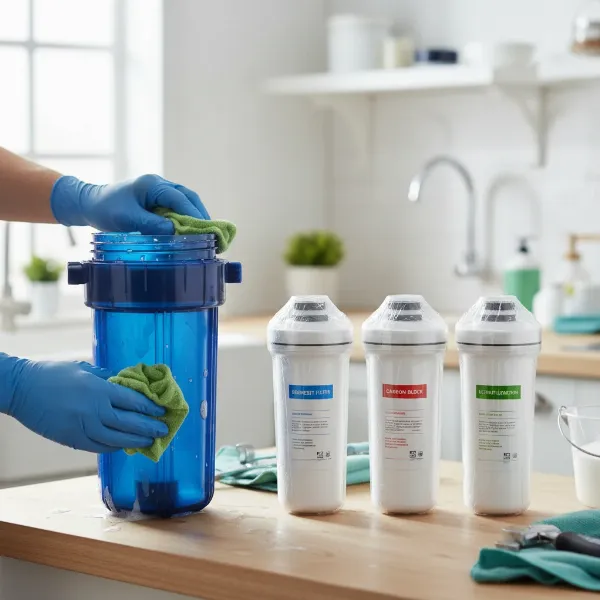 A person cleaning a water filter housing, with replacement filters nearby, illustrating routine maintenance.
Smart Tips for Saving Money with Your Water Filter
Investing in a water filter is already a cost-effective choice compared to bottled water, but smart habits can further enhance your savings. By being strategic, you can maximize your filter’s value.
Firstly, consider the lifespan and cost of replacement filters when purchasing a system. While a filter might have a lower upfront cost, if its replacement cartridges are expensive and need frequent changing, it could cost more in the long run. Look for filters with longer recommended lifespans or those that come with multi-packs of replacement filters at a discount. Some pre-filters, especially for whole-house systems, can be cleaned and reused, extending their life and delaying the need for full replacement. Regularly cleaning components that don’t require full replacement, such as filter housings, can also contribute to the overall efficiency and longevity of your system, preventing premature wear on the actual filter media.
Additionally, always purchase genuine replacement filters. While off-brand alternatives might seem cheaper, they often lack the certified filtration performance and can even damage your system or void warranties. Look for sales or subscribe-and-save options directly from reputable manufacturers or authorized dealers to secure better prices on authentic filters. Lastly, by consistently using filtered water for all drinking and cooking needs, you significantly reduce reliance on single-use plastic bottled water. This not only saves you money but also contributes positively to environmental sustainability, making your water filter an even smarter long-term investment.
Conclusion
Choosing the ideal water filter for your home in 2026 is a vital decision for your family’s health and well-being. By understanding the diverse types available, from convenient pitcher filters to advanced whole-house RO systems, and carefully considering factors like your water source, specific contaminants, budget, and certifications, you can make an informed choice that perfectly aligns with your needs. Remember, regular maintenance and timely filter replacement are paramount to ensuring your system consistently delivers the purest water. Investing in a quality water filter is an investment in a healthier lifestyle, offering peace of mind with every refreshing glass.
What steps will you take today to ensure your household enjoys cleaner, safer water tomorrow?
Frequently Asked Questions
What are the main benefits of using a water filter?
Using a water filter provides numerous benefits, including the removal of harmful contaminants like chlorine, lead, and bacteria, leading to healthier drinking water. It also significantly improves the taste and odor of tap water, making it more enjoyable. Furthermore, filtered water can help protect your home appliances from mineral buildup, extending their lifespan.
How often should I replace my water filter?
The replacement frequency for your water filter depends on its type, your water quality, and household usage. Generally, pitcher filters need changing every 1-2 months, faucet filters every 2-3 months, and under-sink carbon filters every 6-12 months. RO membranes typically last 2 years, while whole-house system cartridges vary from 3-12 months. Always follow the manufacturer’s specific recommendations.
Do water filters remove beneficial minerals?
Some water filters, particularly Reverse Osmosis (RO) systems, are so effective that they can remove both harmful contaminants and beneficial minerals like calcium and magnesium. Other types, such as activated carbon or ultrafiltration (UF) systems, are designed to retain these natural minerals while still filtering out impurities. If mineral retention is important to you, consider UF or mineral-remineralization options for RO systems.
Can a water filter remove all types of contaminants?
No single water filter can remove every type of contaminant. Different filtration technologies target different impurities. For instance, activated carbon is excellent for chlorine and VOCs, while RO systems are best for dissolved solids and heavy metals. Understanding your specific water contaminants through testing is crucial to selecting a filter that effectively addresses your concerns.
Are water filter certifications important?
Yes, water filter certifications are extremely important. They provide independent verification that a filter meets specific standards for contaminant reduction, material safety, and structural integrity. Look for certifications like NSF/ANSI standards (e.g., 42, 53, 58, 401) or WQA Gold Seal, which assure you that the product performs as advertised and is safe for use.
What’s the difference between a whole-house filter and a point-of-use filter?
A whole-house filter is installed at the main water line entering your home, treating all water used throughout the property for drinking, bathing, and appliances. A point-of-use (POU) filter, such as a pitcher, faucet, or under-sink unit, treats water only at a specific tap where it’s used. Whole-house filters offer comprehensive protection, while POU filters provide targeted filtration for drinking water.
Is filtered water truly better than bottled water?
In many cases, yes. High-quality home water filters can provide water that is purer than or comparable to many bottled water brands, often at a fraction of the cost over time. Additionally, using a reusable Water Filter significantly reduces plastic waste, making it a more environmentally friendly choice than continuously buying bottled water. “Choosing filtered tap water over bottled options is a win for both your wallet and the planet,” notes environmental advocate, Sarah Jenkins.