There’s nothing quite as frustrating as turning on your reverse osmosis (RO) faucet only to be met with a slow, weak trickle. Your RO system is an investment in clean, healthy drinking water, and when it underperforms, it can disrupt your daily routine, making everything from filling a glass to cooking a painful wait. But don’t despair! Low water pressure from your RO system is a common issue, and the good news is that most problems have straightforward, DIY-friendly solutions.
This guide will walk you through understanding how your RO system maintains pressure, identify the most common culprits behind a sluggish flow, and provide step-by-step instructions to troubleshoot and fix these issues, ensuring your purified water flows freely once again.
Understanding Your RO System’s Water Pressure
To effectively troubleshoot low pressure, it’s helpful to understand the role pressure plays within your RO system. Reverse osmosis works by forcing water through a semi-permeable membrane, which filters out contaminants. This process relies heavily on adequate water pressure. Typically, an RO system requires incoming water pressure between 40-80 PSI to function efficiently. If the pressure drops below this optimal range, the system struggles to push water through the intricate filtration stages, leading to slower production and reduced flow at your faucet.
Internally, purified water is stored in a pressurized tank, which uses an air bladder to push water out when the faucet is opened. If this tank loses its air charge, or other components become compromised, the pressure needed to deliver water to your tap will be insufficient. Low pressure isn’t just an inconvenience; it can also affect the quality of your filtered water and potentially shorten the lifespan of your system’s components.
Common Causes of Low Water Pressure in Your RO System
Several factors can contribute to a noticeable drop in your RO system’s water pressure. Pinpointing the exact cause is the first step toward a lasting solution.
Clogged Filters
|
Our Picks for the Best Water Filter in 2026
As an Amazon Associate I earn from qualifying purchases.
|
||
| Num | Product | Action |
|---|---|---|
| 1 | Brita UltraMax Large Water Dispenser With Standard Filter, BPA-Free, Reduces Copper, Cadmium and Mercury Impurities, Lasts 2 Months or 40 Gallons, Includes 1 Filter, Kitchen Accessories, Large 27-Cup |

|
| 2 | E-3000UV Whole House Salt-Free Water Softener & Filter Combo with UV |
|
| 3 | Samsung HAF-QIN/EXP Genuine Refrigerator Water Filter, Reduces 99% of Harmful Contaminants for Clean, Clear Drinking Water, 6-Month Life, Easy Install, Pack of 1 |
|
| 4 | everydrop by Whirlpool Ice and Water Refrigerator Filter 1, EDR1RXD1, Single-Pack , Purple |
|
| 5 | GLACIER FRESH Water Filter Compatible with XWFE (Built-in CHIP), Replacement for GE XWFE, XWF Refrigerator Water Filter NSF/ANSI 42 Certification Pack of 1 |
|
| 6 | ZeroWater 20-Cup Ready-Pour 5-Stage Water Filter Dispenser with 0 TDS Water Filter – IAPMO Certified to Reduce Lead, Chromium, and PFOA/PFOS |
|
| 7 | Brita Metro Water Filter Pitcher with SmartLight Change Indicator, BPA-Free, Replaces 1,800 Plastic Water Bottles a Year, Lasts Two Months, Includes 1 Filter, Small - 6-Cup Capacity, White |
|
| 8 | ZeroWater 32-Cup 5-Stage Water Filter Dispenser with Instant Read Out - 0 TDS for Improved Tap Water Taste - IAPMO Certified to Reduce Lead, Chromium, and PFOA/PFOS |
|
| 9 | FRIGIDAIRE ULTRAWF Pure Source Ultra Water Filter, Original, White, 1 Count |
|
| 10 | everydrop® by Whirlpool Refrigerator Water Filter A - EDRARXD1 (Pack of 1) |
|
Your RO system includes multiple filters—sediment and carbon pre-filters, and often a post-filter—that remove larger particles and chemicals before and after the RO membrane. Over time, these filters accumulate debris, sediment, chlorine, and other impurities, becoming clogged. This blockage restricts water flow, leading to a significant drop in pressure throughout the system. Regularly replacing these filters, typically every 6-12 months for pre-filters and 12-18 months for post-filters, is crucial for maintaining optimal flow.
Fouled or Clogged RO Membrane
The RO membrane is the heart of your purification system, responsible for removing dissolved solids, heavy metals, and other microscopic contaminants. However, it can become fouled or clogged with minerals and impurities over time, especially if pre-filters aren’t replaced promptly. A clogged membrane severely hinders the system’s ability to produce water, causing slow flow and, in some cases, compromised water quality (higher TDS readings). Most membranes have a lifespan of 2 to 3 years before needing replacement.
Low Air Pressure in the Storage Tank
The RO storage tank uses an internal air bladder to maintain pressure and push purified water to your faucet. If this bladder loses its air charge over time, the tank cannot effectively deliver water, resulting in a strong initial flow that quickly diminishes to a trickle. The ideal air pressure for an empty RO storage tank is typically 6-8 PSI. If the bladder is severely damaged or ruptured, the tank will feel heavy even when the flow is weak, indicating it’s full of water but unable to dispense it.
Low Incoming Water Pressure
Sometimes, the problem isn’t with your RO system itself but with the main water supply to your home. If your municipal water pressure is inherently low (consistently below 40 PSI), or if you rely on a well with inadequate pump pressure, your RO system will struggle to operate efficiently. This external low pressure can cause the RO tank to fill slowly or not at all, leading to overall weak flow at the faucet.
Kinked or Blocked Tubing
RO systems utilize thin plastic tubing to transport water. A simple bend, kink, or pinch in any of these lines can drastically restrict water flow and reduce pressure. Tubing can become kinked behind the storage tank, under the sink, or accidentally pinched against other plumbing components. Mineral buildup or debris can also accumulate inside the lines, creating internal blockages.
Faulty Flow Restrictor
The flow restrictor is a small, often overlooked component located on the drain line of your RO system. Its purpose is to regulate the amount of wastewater discharged, which in turn helps maintain the necessary pressure on the RO membrane for efficient filtration. If the flow restrictor becomes clogged with debris or is improperly sized for your system, it can either restrict purified water flow too much or allow too much wastewater to exit, starving the storage tank of pressure.
Issues with the RO Faucet or Valves
Even if all other components are functioning correctly, a problem at the dispensing faucet itself can lead to low pressure. Mineral buildup in the aerator or a worn-out faucet cartridge can restrict water flow. Similarly, partially closed or malfunctioning shut-off valves (either for the main supply or to the tank) can impede water from reaching the system or being dispensed properly.
Malfunctioning Booster Pump (if applicable)
For homes with chronically low incoming water pressure, a booster pump is often installed to increase the pressure entering the RO system. If your system includes a booster pump and you’re experiencing low pressure, the pump itself might be faulty. Signs of a malfunctioning pump can include unusual noises, a lack of vibration, or the system continuously cycling without building pressure.
Step-by-Step Guide to Troubleshooting and Fixing Low RO Water Pressure
Before you begin, always turn off the water supply to your RO system and close the valve on top of the storage tank. Having a few basic tools like a pressure gauge (for bike tires or water lines), a small air pump, and your system’s filter wrench can be very helpful.
1. Check Your RO Faucet First
Sometimes the simplest solution is the correct one.
- Action: Unscrew the aerator at the tip of your RO faucet. Inspect it for any mineral buildup or debris that might be restricting flow.
- Fix: Clean the aerator thoroughly or soak it in vinegar to dissolve mineral deposits. If the issue persists, the internal faucet cartridge might be faulty, requiring replacement of the faucet.
2. Inspect Incoming Water Supply & Pressure
Your RO system needs a stable source of water pressure.
- Action: Ensure all valves leading to your RO system (e.g., under-sink stopcock, main house shut-off valve) are fully open. If your entire house has low water pressure, the problem is likely external to the RO system. You can test your home’s water pressure with a gauge that attaches to an outdoor spigot or laundry sink faucet.
- Fix: If your incoming water pressure is consistently below 40 PSI, consider installing an RO booster pump to ensure the system gets adequate pressure. If municipal pressure is low, contact your water provider.
3. Address Clogged Pre-filters & Post-filters
These are often the first culprits.
- Action: Refer to your system’s manual for filter locations. Shut off the water supply and tank valve. Use the filter wrench to unscrew the filter housings. Visually inspect the sediment and carbon filters. They will likely appear discolored or visibly dirty if clogged.
- Fix: Replace dirty filters with new ones according to the manufacturer’s recommendations (typically every 6-12 months for pre-filters, 12-18 months for post-filters). After replacement, slowly turn the water back on and flush the system for several minutes to remove air and carbon fines.
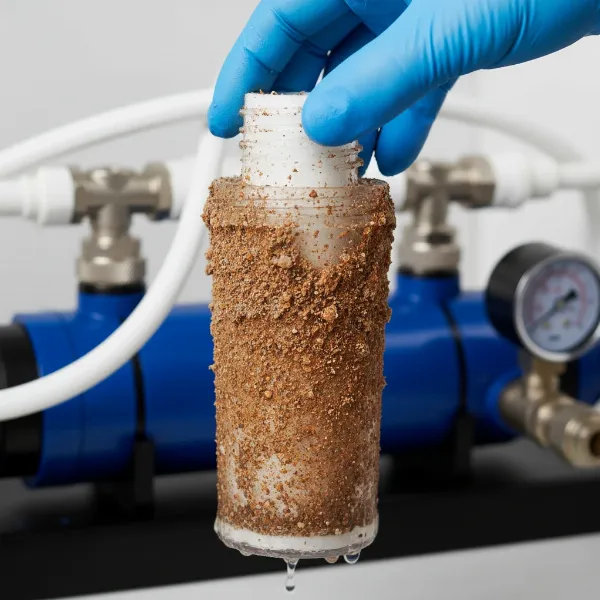 A close-up of a dirty, discolored RO pre-filter being removed from its housing, highlighting the need for replacement to fix low water pressure.
4. Evaluate Your RO Storage Tank
The tank is crucial for consistent flow.
- Action: First, check if the tank is heavy. If it feels heavy even when the faucet flow is weak, it indicates the tank is full of water but lacks the air pressure to push it out, or the bladder is ruptured. To check the air pressure, shut off the water supply, close the tank valve, and drain all water from the tank through the RO faucet. Locate the Schrader valve (looks like a tire valve stem) on the side or bottom of the tank. Use a low-pressure air gauge to measure the PSI.
- Fix: If the pressure is below 6-8 PSI (when empty), use a bike pump or air compressor to carefully add air until it reaches this range. Avoid over-pressurizing. If the tank still doesn’t hold pressure or continues to feel heavy despite recharging, the internal air bladder is likely ruptured, and the entire tank will need to be replaced.
5. Examine the RO Membrane
The core of your filtration system.
- Action: If your filters are new and the tank pressure is good, but you still have slow flow, the RO membrane might be the issue. Membranes typically last 2-3 years. You might also notice a decline in water taste or an increase in Total Dissolved Solids (TDS) if you have a TDS meter. To access, shut off the water, close the tank valve, and open the membrane housing.
- Fix: Replace the RO membrane if it’s past its lifespan or if other troubleshooting steps haven’t resolved the issue. Remember that proper pre-filtration helps extend the membrane’s life.
6. Inspect Tubing for Kinks or Blockages
A simple visual check can yield results.
- Action: Visually inspect all the plastic tubing connected to your RO system, from the incoming water line to the faucet. Look for any sharp bends, kinks, pinches, or signs of external damage. Disconnect questionable lines and blow through them to check for internal blockages like mineral buildup.
- Fix: Straighten any kinks or re-route tubing to avoid sharp bends. If a line is damaged or severely blocked, replace it with new tubing. Ensure all connections are secure.
7. Troubleshoot the Flow Restrictor
This small part has a big impact.
- Action: The flow restrictor is usually a small component located on the drain line. Disconnect it and check for any visible clogs or debris.
- Fix: Attempt to clean the flow restrictor with warm water. If it remains clogged, appears damaged, or is improperly sized for your system, replace it. Ensure the replacement matches your RO membrane’s specifications.
8. Consider a Booster Pump
For persistent low incoming pressure.
- Action: If your incoming water pressure is consistently below 40 PSI, even after checking main supply lines, a booster pump is likely necessary. If you already have a pump, check its power supply and listen for it running. A silent pump or one that’s making unusual noises might be failing.
- Fix: Install an RO booster pump if your household water pressure is insufficient. If an existing pump is malfunctioning, it may need to be repaired or replaced.
9. Check Automatic Shut-off (ASO) and Check Valves
These regulate water flow and prevent backflow.
- Action: The ASO valve stops water flow to the membrane when the storage tank is full. A faulty ASO valve can prevent the tank from filling or cause constant draining. A check valve prevents purified water from flowing backward.
- Fix: If you suspect an issue with these valves (e.g., constant drain, tank not filling), consult your system’s manual for testing and replacement procedures. These are less common issues for low pressure but can contribute.
Preventing Future Low-Pressure Issues
Proactive maintenance is the best defense against recurring low water pressure. Think of it as routine care for optimal performance.
- Follow a Regular Filter Replacement Schedule: This is the most critical step. Change pre-filters every 6-12 months and the RO membrane every 2-3 years, or as recommended by the manufacturer based on your water quality and usage.
- Monitor Storage Tank Pressure Annually: Check and recharge the air bladder in your storage tank at least once a year, or whenever you notice a decline in flow.
- Inspect Tubing Periodically: Regularly check for kinks, pinches, or blockages in the system’s tubing, especially when servicing filters.
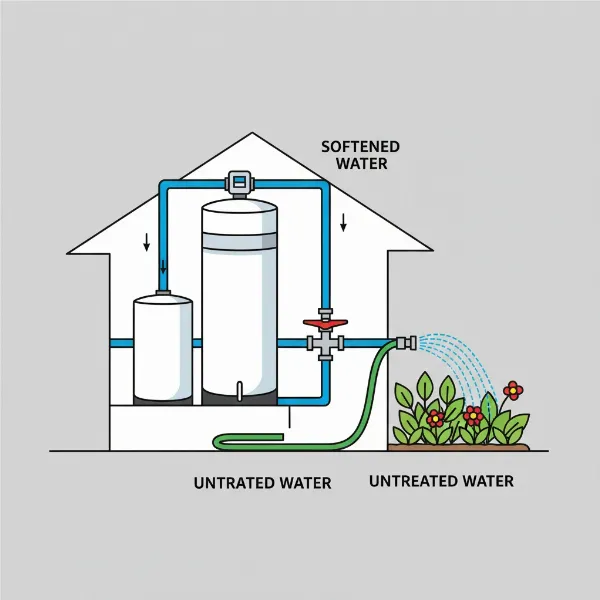
- Consider Water Quality Enhancements: If you have very hard water, installing a water softener before your RO system can significantly extend the life of your pre-filters and RO membrane by reducing mineral scale buildup.
- Invest in Quality Components: While cheaper parts might save money initially, high-quality filters and membranes often last longer and perform more consistently, preventing premature low-pressure problems.
“Many RO system owners overlook the simple, routine maintenance steps that can prevent the vast majority of low-pressure issues. A few minutes of attention annually can save hours of frustration and potentially costly repairs.” – Jennifer Byrd, Water Treatment Specialist
Conclusion
Experiencing low water pressure from your reverse osmosis system can be genuinely inconvenient, but as we’ve explored, it’s a common problem with identifiable causes and practical solutions. From clogged filters and membranes to issues with the storage tank or incoming water supply, understanding these potential culprits empowers you to diagnose and fix the problem yourself. By following our step-by-step troubleshooting guide and committing to a consistent maintenance routine, you can restore your RO system’s optimal performance, ensuring a steady, strong flow of clean, purified water for your home. Don’t let a trickle become your norm—take action to enjoy the full benefits of your RO system.
What’s your most common RO system challenge, and how do you tackle it?
Frequently Asked Questions
What water pressure is too low for an RO system?
Any incoming water pressure consistently below 40 PSI is generally considered too low for proper RO system operation. For optimal flow and filtration efficiency, an ideal range of 50-60 PSI is recommended.
How often should I change my RO filters?
Typically, sediment and carbon pre-filters should be replaced every 6 to 12 months, depending on your water quality and usage. The RO membrane, which is the main filtration component, usually lasts between 2 to 3 years.
How do I know if my RO tank is bad?
If your RO faucet flows strongly for only a few seconds before slowing to a trickle, and the tank feels heavy even when the flow is weak, it often indicates a ruptured internal air bladder or insufficient air pressure. Recharging the tank’s air pressure (to 6-8 PSI when empty) is the first step; if it doesn’t hold pressure, the bladder is likely ruptured, and the tank needs replacement.
Can I increase RO pressure without a pump?
Yes, if your incoming water pressure is above 40 PSI, you might not need a pump. Often, simply replacing clogged filters, ensuring all valves are fully open, or recharging the storage tank’s air pressure can restore adequate flow. A booster pump is typically only necessary if your household’s main water pressure is consistently below the optimal range.
Is low RO pressure dangerous?
Low RO pressure is generally not dangerous, but it can compromise the effectiveness of your filtration system. Inadequate pressure can reduce the RO membrane’s contaminant rejection rate, meaning the water may not be as pure as intended. Resolving low pressure ensures you receive the highest quality filtered water.