Let’s talk about your kitchen sink. You turn the handle, and water comes out. Simple, right? But have you ever stopped to think about what’s really in that water? It’s a thought that used to keep me up at night. That’s what leads many of us down the rabbit hole of water filtration. And during that journey, you’ve probably come across a curious question: What Is A Dedicated Faucet For Filtered Water and why do some kitchens seem to have two faucets? Is it just for show, or is there a powerful reason behind this increasingly popular kitchen upgrade?
The short answer is: it’s one of the smartest moves you can make for your health and your wallet. This separate, often smaller, tap is your exclusive gateway to pure, clean, and delicious water, straight from your under-sink filtration system. Let’s dive in and demystify this essential piece of kitchen hardware.
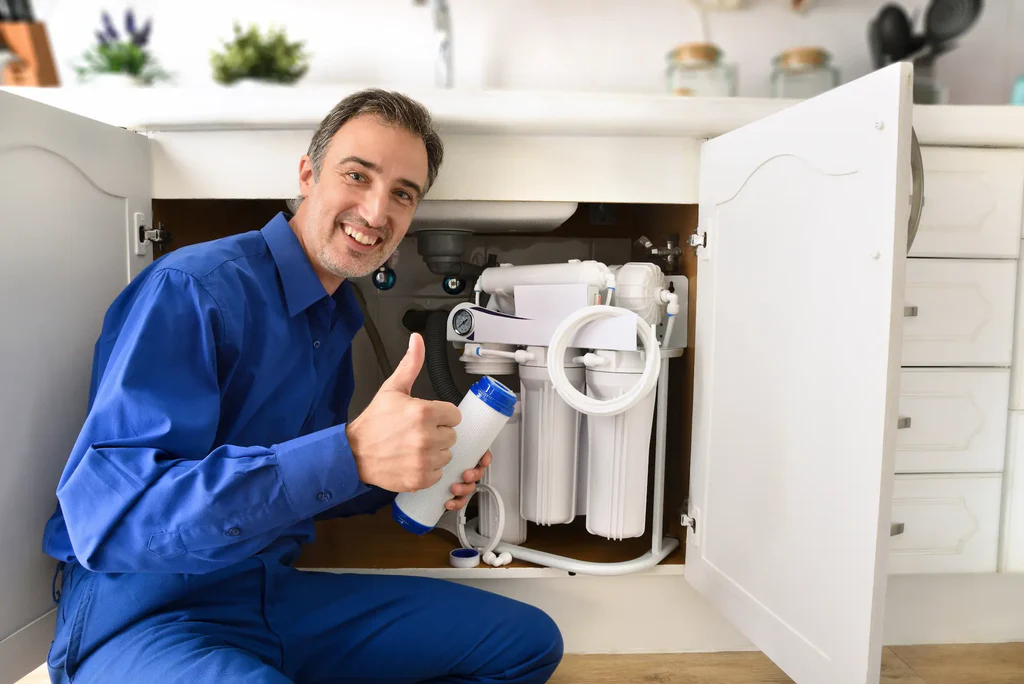
Why Your Main Faucet Isn’t Always the Best Choice
You might be thinking, “I have a water filter. Why can’t I just get the filtered water from my main faucet?” It’s a fair question, and the answer lies in both purity and practicality.
Your main kitchen faucet is a workhorse. It’s used for everything: washing greasy pans, rinsing vegetables, filling mop buckets, and washing your hands. Over time, the inside of your regular faucet and its aerator can accumulate buildup. When you run pristine, filtered water through that same channel, you risk re-introducing trace contaminants.
But the biggest reason is efficiency. High-quality water filters, especially advanced systems like Reverse Osmosis, work hard to remove impurities. Their filter cartridges have a limited lifespan, measured in gallons.
Think of it like this: would you use expensive, premium-grade olive oil to grease a squeaky door hinge? Of course not. In the same way, you don’t need to waste your precious filtered water—and wear out your filter cartridges faster—on tasks like washing dishes. A dedicated faucet ensures that your purified water is used only for what matters most: drinking, cooking, and preparing beverages.
So, What Is a Dedicated Faucet for Filtered Water, Exactly?
A dedicated faucet for filtered water is a separate, standalone tap installed on your sink or countertop that is connected directly to an under-sink water filtration system. It dispenses only the purified water from that system, creating a distinct channel completely separate from your regular hot and cold tap water.
It’s essentially an express lane for your drinking water. While your main faucet handles the “heavy lifting” of daily kitchen chores, this secondary faucet is reserved for providing clean, safe water for consumption.
These faucets are typically paired with more robust filtration solutions, such as:
- Multi-stage carbon block filters: Excellent for removing chlorine, lead, pesticides, and improving taste and odor.
- Reverse Osmosis (RO) systems: The gold standard for water purification, capable of removing up to 99% of all contaminants, including fluoride, arsenic, salts, and more.
As our resident water quality expert, Dr. Eleanor Vance, often says, “Cross-contamination is a silent thief of water purity. A dedicated faucet acts as a final safeguard, ensuring the water that has been meticulously cleaned by your filter is the exact same water that fills your glass.”
Key Benefits: Why You’ll Love Having a Dedicated Faucet
Once you make the switch, you’ll wonder how you ever lived without one. The advantages go far beyond just having an extra tap on the sink.
1. Uncompromised Water Purity
This is the number one reason. By keeping your filtered water in a separate line and dispensing it through a clean, dedicated faucet, you eliminate any chance of it mixing with unfiltered water or picking up residue from your main faucet. You get the purest possible water for drinking, coffee, tea, and cooking.
2. Extends the Life of Your Filter Cartridges
This is a huge, often overlooked, economic benefit. A typical family might use 2-3 gallons of water per day for drinking and cooking, but over 50 gallons for everything else. By only using your filter for those 2-3 gallons, you dramatically extend the life of your filter cartridges, saving you significant money and hassle over time. Bảng trống. Your investment in a great filter system lasts much, much longer.
3. Ultimate Convenience
Imagine wanting a quick, cold glass of pure water. No need to grab a filtering pitcher from the fridge and wait. Just turn the handle on your dedicated faucet, and you have instant access to an unlimited supply of clean water. It makes filling water bottles, coffee makers, and cooking pots incredibly fast and easy.
4. Sleek and Stylish Aesthetics
Gone are the days of bulky, clip-on faucet filters or cluttered countertops with water pitchers. A dedicated faucet offers a clean, integrated, and professional look. They come in a vast array of styles and finishes—from modern matte black to classic brushed nickel—allowing you to perfectly match your kitchen’s décor.
How Do I Choose the Right Dedicated Faucet?
Choosing the right faucet isn’t just about looks; it’s also about compatibility and quality. Here’s a simple checklist to guide you:
- Check Your Filter System’s Requirements. This is critical. Standard filtration systems can use a “non-air-gap” faucet. However, most Reverse Osmosis systems require an “air-gap” faucet. An air-gap faucet has a small opening at its base to prevent contaminated drain water from ever siphoning back into your clean water system. Check your water filter’s manual to be certain.
- Prioritize Lead-Free Materials. The whole point is purity, so don’t compromise with the faucet. Look for faucets made from solid brass or stainless steel with a certification for being lead-free (like NSF/ANSI 61). This ensures no metals will leach into your purified water.
- Match Your Kitchen’s Style. This is the fun part! Consider the finish, shape, and handle style. Do you want a modern gooseneck design or a more traditional, smaller tap? Choose a finish that complements your main faucet and other kitchen hardware.
- Read Reviews and Check the Warranty. Look for brands known for quality and durability. A good warranty is a sign that the manufacturer stands behind their product.
Frequently Asked Questions
Do I absolutely need a dedicated faucet for a reverse osmosis system?
Yes, in almost all cases. RO systems produce water slowly and store it in a tank. They also create wastewater (brine). The dedicated faucet is essential for dispensing the stored pure water, and an air-gap version is often required by plumbing codes to ensure safety.
What is the difference between an air-gap and non-air-gap faucet?
An air-gap faucet has three tubes connecting to it from under the sink and a small slit in its body. It creates a physical gap to prevent drain water from backing up into your RO system. A non-air-gap faucet has only one tube and is simpler, but lacks this safety feature. Always follow the recommendation of your filter manufacturer.
Can I install a dedicated water faucet myself?
If you’re comfortable with basic plumbing and have the right tools, it’s a very manageable DIY project. Most sinks have a pre-drilled hole (for a soap dispenser or sprayer) you can use. If not, you may need to drill a new hole in your countertop or sink, which can be more complex. When in doubt, call a plumber!
Will a dedicated faucet lower my main faucet’s water pressure?
No, not at all. The dedicated faucet is on a completely separate line that “T’s” off from your cold water supply before it ever reaches your main faucet. Your regular hot and cold water pressure will be completely unaffected.
How do I clean and maintain my dedicated faucet?
Maintenance is incredibly simple. Just wipe it down with a soft cloth and mild soap and water, just as you would your main faucet. Since it only dispenses pure water, it’s far less likely to develop hard water stains or mineral buildup.
The Final Word: A Small Change for a Big Impact
In the grand scheme of kitchen renovations, adding a dedicated faucet for filtered water is a relatively small and affordable project. Yet, its impact on your daily life, your health, and your peace of mind is enormous.
It’s more than just an extra tap; it’s a commitment to providing your family with the cleanest, safest water possible in the most efficient way. It protects your investment in your filtration system and elevates the functionality and style of your kitchen. By understanding what a dedicated faucet for filtered water is, you’re taking a powerful step toward a healthier home.