So, you’ve just unboxed your shiny new water filter. You’re picturing that first glass of crisp, clean, refreshing water, free from the weird tastes and smells of the tap. It’s an exciting moment! But as you read the instructions, you hit a step that seems… well, a bit of a hassle: “Flush the filter before first use.” You might be wondering, what happens if you don’t flush a new filter? Is it really a big deal to skip this one little step and get right to the good part?
As your friendly guides at Water Filter To Go, we get this question a lot. It’s tempting to cut corners when you’re thirsty for better water. But trust us on this one: that initial flush is more than just a suggestion; it’s a crucial step for performance, taste, and your peace of mind. Think of it like washing new bedsheets before you sleep in them or rinsing vegetables from the market. It’s a simple act of preparation that makes all the difference.
Let’s dive into exactly what’s going on inside that new filter and why giving it a quick rinse is the best first move you can make for your water quality.
First, What is “Flushing” a Water Filter Anyway?
Before we get into the consequences of skipping it, let’s clear up what “flushing” actually means. It’s simply the process of running water through a new filter cartridge for a few minutes (or a few pitchers’ worth) before you start drinking the water it produces.
Most modern water filters, from pitchers to refrigerator models, rely heavily on activated carbon. This material is a superstar when it comes to trapping contaminants. It’s created by heating carbon sources like coconut shells or coal to very high temperatures, creating a highly porous structure with a massive surface area. Imagine a single gram of activated carbon having the surface area of a football field—that’s a lot of nooks and crannies to catch impurities like chlorine, pesticides, and industrial chemicals.
During the manufacturing and shipping process, this carbon can get jostled around. Tiny, loose particles—often called “carbon fines”—can break off. Flushing does three key things:
- It washes away loose carbon fines and any other manufacturing dust.
- It saturates the filter media, preparing it to work at maximum efficiency.
- It purges any air pockets trapped inside the filter cartridge that could hinder water flow.
The Unfiltered Truth: What Happens If You Don’t Flush a New Filter?
Okay, let’s get to the heart of the matter. You decide to skip the flush. You install the filter, fill your glass, and take a big gulp. What might you experience? While it’s unlikely to be a major health crisis, the results can be far from pleasant.
The Taste Test: That Unpleasant First Sip
The most immediate and noticeable consequence is the taste. The water might have a bitter, chalky, or slightly metallic flavor. This is caused by those loose carbon fines we just talked about. They haven’t been rinsed away, so they end up in your first few glasses of water. While generally harmless, it’s definitely not the “pure, clean taste” you were hoping for. It can be off-putting enough to make you think the filter itself is faulty.
Cloudy with a Chance of Black Specks
Don’t be alarmed if you see your water turn a cloudy gray or notice little black specks floating around. This is the most common visual sign that a filter wasn’t flushed. Again, these are the harmless carbon fines. They look unappetizing, but they are typically food-grade and will pass through your system without issue. However, who wants to drink water that looks dirty when the whole point was to get clean water? Flushing prevents this visual surprise entirely.
A Note from Our Expert: Dr. Eleanor Vance, a water quality specialist, explains, “The carbon used in NSF-certified water filters is processed to be safe for consumption. The primary reason for flushing is not to remove a dangerous substance, but to condition the filter for optimal performance and ensure the water’s aesthetic quality—its taste, color, and clarity—is what the consumer expects from day one.”
Air Pockets and Sputtering Faucets
Have you ever installed a new filter and heard your faucet sputter, spit, or noticed the water flow is weak? This is often caused by air trapped within the filter cartridge. Flushing is a powerful way to force these air pockets out, allowing water to flow smoothly and quietly through the filter media. If you skip this step, the trapped air can lead to inconsistent flow and annoying noises for the first day or two of use.
Reduced Filter Performance and Lifespan
This is a less obvious but more important long-term consequence. A new, dry filter needs to become fully saturated to work correctly. The flushing process ensures that the entire carbon block or granular media is wet and ready to adsorb contaminants. When you skip this, the first several gallons of water you use might not be filtered as effectively because the water could be creating “channels” through the dry media instead of passing through it evenly. Over time, this can lead to premature clogging and a shorter effective lifespan for your filter. You paid for a filter that works at 100%—flushing makes sure you get that from the very first drop.
Is It Dangerous to Drink Water from an Un-flushed Filter?
This is the number one concern for most people, and it’s a fair question. The short answer is: in almost all cases, it is not dangerous. The black specks are just carbon, and the cloudy appearance is due to those same particles suspended in the water. Reputable filter manufacturers who have an NSF/ANSI certification use materials that are safe for human contact.
However, flushing provides an extra layer of safety. It clears out any potential dust or debris from the manufacturing or packaging line. While highly unlikely, it’s a simple “better safe than sorry” measure that ensures the water you drink is as pure as possible.
How to Properly Flush Different Water Filters: A Quick Guide
Flushing isn’t a one-size-fits-all process. The method depends on the type of filter you have. Here’s a quick rundown of the most common types:
- Water Filter Pitchers (e.g., Brita, PUR): This is the easiest. After inserting the new cartridge, simply fill the pitcher and discard the first 2-3 full pitchers of water. You can use this water for your plants! This is usually enough to clear out all the carbon fines.
- Faucet-Mounted Filters: Attach the filter to your faucet according to the instructions. Turn on the cold water only and let it run through the filter for about 5 minutes. You might see the water run gray at first, but it will clear up.
- Refrigerator Filters: These are also straightforward. After installing the new cartridge, dispense water through the fridge door for about 3-5 minutes, which usually equals about 2-3 gallons. This will clear the lines, purge air, and wash out any carbon dust. Check your fridge’s manual for the specific amount.
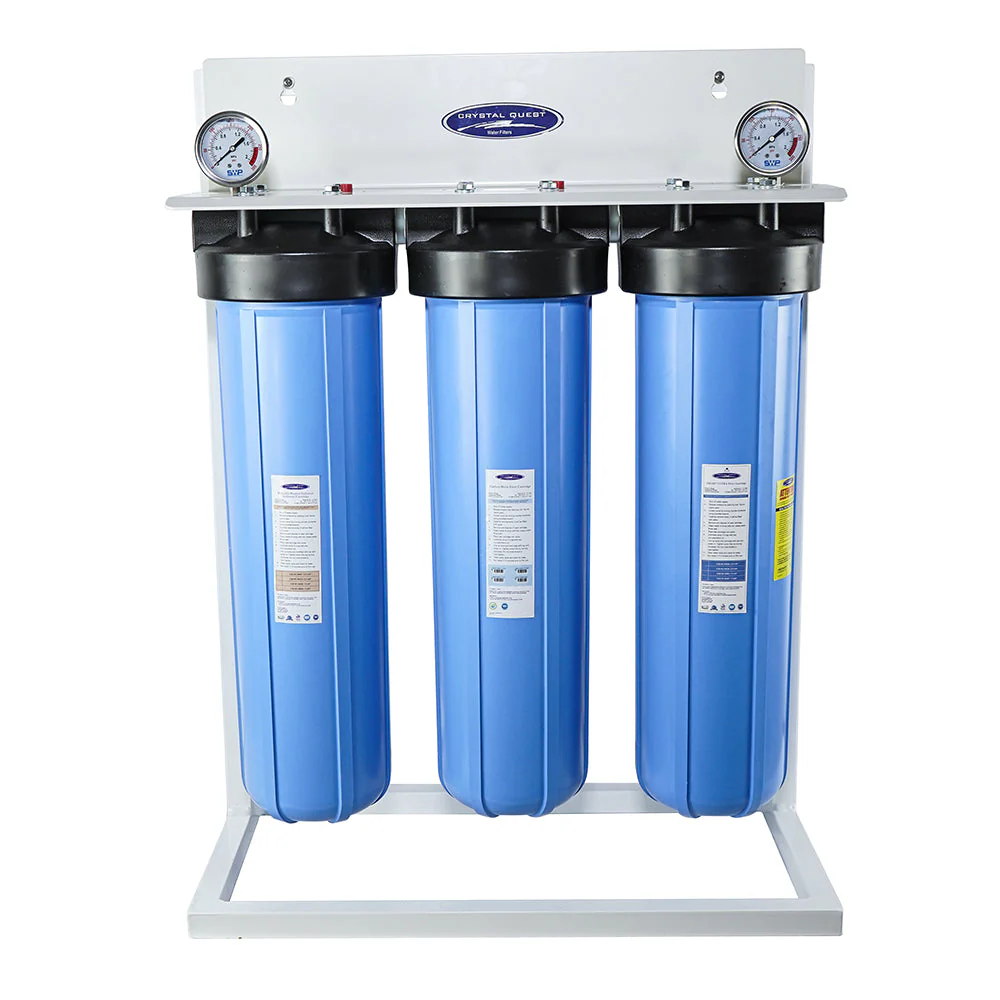
- Under-Sink and Whole-House Systems: These systems are more involved. After installation, you’ll typically need to turn on a designated cold water faucet and let it run for at least 10-15 minutes to fully flush the new, larger cartridges. It’s critical to follow the manufacturer’s instructions here to avoid any issues with your plumbing.
| Filter Type | Recommended Flushing Action | Why It’s Important |
|---|---|---|
| Pitcher Filter | Discard the first 2-3 pitchers. | Removes carbon fines and saturates the media. |
| Faucet Filter | Run cold water for ~5 minutes. | Clears fines and purges air from the unit. |
| Refrigerator Filter | Dispense 2-3 gallons of water. | Flushes the cartridge and the internal water lines. |
| Under-Sink System | Run a connected faucet for 10-15+ minutes. | Conditions the larger filter and ensures proper flow. |
Frequently Asked Questions (FAQ)
I forgot to flush my new filter, what should I do now?
Don’t panic! It’s not too late. Just flush it now. If it’s a pitcher, dump the water you have and filter and discard the next two pitchers. If it’s a faucet or fridge filter, just run the water for the recommended time. You haven’t caused any permanent damage.
How long should I really flush a new water filter?
Always default to the manufacturer’s instructions. However, a good rule of thumb is to run the water until it is perfectly clear and any sputtering from trapped air has stopped. This is usually 5 minutes for faucet/fridge filters and 2-3 full cycles for pitchers.
Why is my new filter water black or gray?
This is perfectly normal before flushing! It’s simply the harmless, excess activated carbon fines from the manufacturing process. A proper flush will rinse these particles away, and your water will become crystal clear.
Does flushing a new filter waste its lifespan?
Not at all. In fact, it does the opposite. Flushing properly “activates” and prepares the filter media to work at peak efficiency. The small amount of water used for flushing is negligible compared to the total volume the filter will process over its life, and it ensures that every subsequent drop is filtered effectively. Considering what happens if you don’t flush a new filter, this initial step actually protects your investment.
The Final Word: To Flush or Not to Flush?
By now, the answer should be crystal clear. That initial flush might seem like a small, skippable chore, but it’s the secret handshake that gets your filter ready for duty. It’s the difference between a questionable first drink and the delicious, pure water experience you paid for.
Skipping the flush leads to bad taste, cloudy water, and a filter that isn’t working its best. Taking those few minutes to properly prepare your new cartridge ensures great taste from the start, optimal performance, and the confidence that your water is as clean as it can be. So next time you unbox a filter, remember this simple step. Your taste buds—and your filter—will thank you for it. Making a smart choice about what happens if you don’t flush a new filter is your first easy win on the road to better hydration.