You did it. You invested in a water filter, picturing crisp, refreshing, pure-tasting water on demand. But when you take that first sip… it’s just… off. Maybe it’s flat, maybe it has a faint plastic taste, or maybe it’s just strangely bland. If you’ve ever wondered How To Make Filtered Water Taste Better, you’re not alone, and you’ve come to the right place. The good news is that the solution is often surprisingly simple.
Did you know that water that is too pure can actually taste unappealing? It’s one of the great ironies of water purification. Your journey to delicious, hydrating water doesn’t end with buying a filter; it begins there. Let’s dive into why your filtered water might be letting you down and explore the easy, actionable steps you can take to transform it from “meh” to “more, please!”
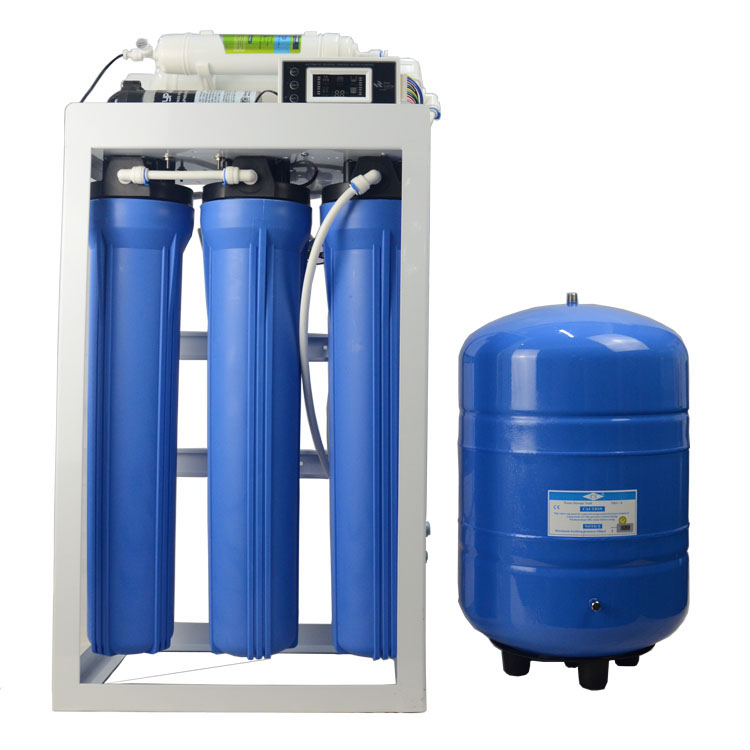
First, Why Does My Filtered Water Taste Bad?
Before we fix the problem, it helps to understand the culprit. The “off” taste in your filtered water usually comes down to one of a few key reasons. Pinpointing the cause is the first step toward a tastier glass of H2O.
This happens for several reasons, from the type of filter you’re using to simple maintenance oversights. Often, the very process that removes harmful contaminants can also strip away the naturally occurring minerals that give water its pleasant, familiar taste.
The Common Suspects:
- An Old or Clogged Filter: This is the number one offender. Over time, your filter becomes saturated with all the gunk it has removed from your water (like chlorine, sediment, and heavy metals). Once it’s full, it can’t do its job effectively and can even start to grow bacteria, leading to musty or unpleasant flavors.
- “Stripped” Water: High-end filtration systems, particularly those using reverse osmosis or distillation, are so effective that they remove everything—including beneficial minerals like calcium, magnesium, and potassium. This “demineralized” water can have a distinctly flat or sterile taste.
- A Dirty Container: It sounds obvious, but when was the last time you really scrubbed your water pitcher, bottle, or dispenser? A slick, invisible film of bacteria called biofilm can build up, imparting a slimy texture or a stale taste to even the purest water.
- Your Source Water: Sometimes, the issue is the sheer volume of contaminants your filter is battling. Water that is extremely high in certain minerals (hard water) or chemicals like sulfur can be a challenge for basic filters, and some residual taste may linger.
7 Easy Ways to Improve the Taste of Your Filtered Water
Ready for the fix? Let’s get that water tasting fantastic. You won’t need a degree in chemistry for these—just a few simple tweaks to your routine. This is the core of learning how to make filtered water taste better.
1. Start with the Basics: Change Your Filter Cartridge
I can’t stress this enough. If you can’t remember the last time you changed your filter, it’s time. A fresh filter is the quickest and most effective way to restore a clean, crisp taste.
Expert Tip: Set a recurring reminder on your phone or calendar for every 2-3 months (or whatever your manufacturer recommends). “A clogged filter is not only ineffective but can become a breeding ground for bacteria,” warns Dr. Eleanor Vance, an environmental scientist. “Regular replacement is non-negotiable for both taste and safety.”
2. Deep Clean Your Water Dispenser or Pitcher
Biofilm is sneaky. You can’t always see it, but you can definitely taste it. Give your water container a thorough cleaning at least once a week.
- Disassemble the pitcher or bottle completely.
- Use warm, soapy water and a soft brush to scrub all surfaces, paying special attention to spouts and crevices.
- For a deeper clean, use a solution of one part white vinegar to three parts water and let it sit for about 20 minutes before rinsing thoroughly.
3. Let It Breathe: Aerate Your Water
This sounds fancy, but it’s incredibly simple. Water that has been sitting or has just passed through a dense filter can lack dissolved oxygen, contributing to a flat taste.
How to do it: Simply pour your filtered water back and forth between two clean pitchers or glasses a few times. This process infuses the water with oxygen, instantly brightening its flavor and improving its “mouthfeel.” Think of it like decanting a fine wine to let it open up.
4. Chill Out: Serve It Cold
Temperature dramatically affects our perception of taste. Colder temperatures suppress faint, undesirable flavors and enhance the sensation of refreshment. If your filtered water tastes a little bland at room temperature, try storing a pitcher in the refrigerator. The difference can be night and day.
5. The Game-Changer: Add Healthy Minerals Back In
If you use a reverse osmosis system or a filter that produces very pure water, you’re likely dealing with the “stripped water” problem. The solution? Remineralization.
You can reintroduce the trace minerals that were filtered out, which not only improves the taste but also adds potential health benefits.
- Mineral Drops: A few drops of a liquid trace mineral supplement into your pitcher can add back calcium, magnesium, and potassium.
- Himalayan Pink Salt: Add a tiny pinch (just a few grains, not enough to taste salty) of unrefined Himalayan salt to a gallon of water. It contains dozens of trace minerals that round out the flavor.
6. Infuse It with Natural Flavors
This is a classic for a reason! If you want a hint of flavor without sugar or artificial additives, infusions are your best friend. They are a fantastic way to make your daily hydration a lot more interesting.
Popular Infusions:
- Slices of lemon, lime, or orange
- Fresh cucumber ribbons and mint leaves
- A handful of berries (raspberries or blueberries)
- A stick of cinnamon or a few slices of fresh ginger
7. Consider Your Filtration Method
If you’ve tried everything and are still unsatisfied, it might be time to evaluate your filter itself. Different technologies have a different impact on taste. Understanding this can help you choose your next system.
| Filtration Method | How It Affects Taste | Best For |
|---|---|---|
| Activated Carbon | Excellent at removing chlorine taste and odor. Retains healthy minerals. | Improving the taste of most municipal tap water. Found in pitchers and faucet filters. |
| Reverse Osmosis (RO) | Removes nearly everything, including minerals, resulting in a very pure but potentially “flat” taste. | Homes with a wide range of contaminants or those seeking maximum purity. Often requires remineralization for best taste. |
| Alkaline/Ionizer | Adds minerals back into the water to raise its pH. Users often describe the taste as “smoother” or “silkier.” | People who prefer a less acidic taste and are interested in the benefits of alkaline water. |
If taste is your top priority, an activated carbon filter is a great starting point. For those who need the power of RO, pairing it with a remineralization stage is the perfect solution for getting both purity and flavor. You can learn more about choosing the right water filter for your home on our blog.
Frequently Asked Questions (FAQ)
Here are some quick answers to the most common questions we get about the taste of filtered water.
Why does my filtered water taste metallic?
A metallic taste can be caused by low pH after filtration or by high concentrations of iron or manganese in your source water that a basic filter can’t fully remove. If you have older plumbing, it could also indicate leaching from copper or zinc pipes.
Can I just add table salt to improve the taste?
No, we don’t recommend this. Table salt is processed sodium chloride and lacks the broad spectrum of beneficial minerals found in unrefined sea salt or Himalayan salt. Using specific trace mineral drops is a much better and healthier approach.
How often should I clean my water pitcher?
A good rule of thumb is to give it a quick wash with soap and water every few days and a deep clean (with vinegar or a specialized cleaner) at least once a week to prevent biofilm buildup.
Why does my Brita or PUR water taste weird?
This almost always points to an old filter cartridge. These pitcher filters use activated carbon, which becomes saturated over time. Replace the cartridge, and the fresh taste should return immediately.
Is it okay if my new filter makes the water taste strange at first?
Sometimes, a brand new activated carbon filter needs to be flushed. You might notice fine black particles (harmless carbon dust) or a slightly odd taste in the first one or two pitchers. This is normal. Discard the first couple of batches of water, and the taste should normalize.
The Final Sip: Your Path to Perfect Water
Achieving great-tasting water is a partnership between you and your filter. While the filter does the heavy lifting of removing harmful contaminants, a little bit of care and a few simple tricks can elevate your hydration experience from basic to brilliant.
Remember the key takeaways: always start with a fresh filter and a clean container. Don’t be afraid to aerate your water or add back healthy minerals if your system is a little too effective. By implementing these tips, you’ll finally have water that is not only safe and pure but also genuinely delicious and refreshing. Investing in your water quality is one of the best things you can do for your health, and now you know exactly how to make filtered water taste better every single time you fill your glass.