There’s nothing quite as frustrating as heading to the kitchen for a crisp, refreshing glass of filtered water, only to be met with a pathetic trickle. You stand there, glass in hand, watching it fill up at a snail’s pace. If this sounds familiar, you’re not alone, and you’re probably wondering How To Fix A Slow Water Filter. The good news is, in most cases, the solution is surprisingly simple. As your dedicated experts at Water Filter To Go, we’re here to walk you through it, turning that trickle back into a satisfying flow.
Did you know that the very thing your filter is designed to do—capture contaminants—is often the reason it slows down? Think of it as a bouncer at a popular club. At the beginning of the night, people get in quickly. But as the night wears on and more undesirable guests are stopped at the door, a line forms and things slow down. Your water filter works in much the same way.
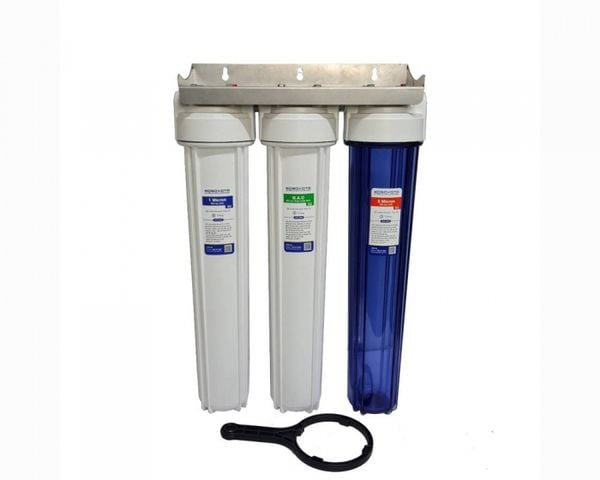
Why Is My Water Filter So Slow? The Usual Suspects
Before we jump into the fixes, let’s understand the “why.” Pinpointing the cause is half the battle. A slow flow rate is almost always a symptom of a problem, not the problem itself. Here are the most common culprits we see.
- The #1 Cause: A Clogged Filter Cartridge. This is, by far, the most frequent reason for a slow water filter. Over time, the filter media becomes saturated with all the sediment, chlorine, heavy metals, and other contaminants it has diligently removed from your water. Once it’s full, water has a much harder time passing through.
- Trapped Air in the System. Especially after changing a filter cartridge or in new installations, air bubbles can get trapped in the filter housing or water lines. These air pockets act like a roadblock, obstructing the flow of water and causing sputtering or a slow stream.
- Low Household Water Pressure. Your filter system is designed to work within a certain range of water pressure (measured in PSI). If your home’s overall water pressure is too low, it won’t be able to push water through the filter media effectively, resulting in a sluggish output.
- Incorrect Installation. A kinked water line, a valve that isn’t fully open, or a filter cartridge that’s been installed backward (yes, it happens!) can all severely restrict water flow.
- Heavy Sediment in Your Water Source. If you live in an area with particularly “hard” water or water with a high level of sediment (like from a private well), your filter has to work overtime. This can cause it to clog up much faster than the manufacturer’s recommended lifespan.
Let’s Get to It: How to Fix a Slow Water Filter (Step-by-Step)
Alright, now for the main event. Grab a towel (just in case) and let’s troubleshoot. We’ll start with the most likely fixes first.
Step 1: Identify Your Filter Type
The exact steps will vary slightly depending on your system. Do you have a simple pitcher filter, one that attaches to your faucet, a more complex under-sink system, or a whole-house unit? Knowing your system is the first step to fixing it.
Step 2: The Easiest Fix – Replace the Filter Cartridge
Since a clogged filter is the prime suspect, this should always be your first move, especially if it’s been a while since you last changed it. A fresh cartridge is like a clean slate for your water.
For Pitcher & Faucet Filters:
- Remove the old cartridge. Follow the manufacturer’s instructions to take out the spent filter.
- Prep the new one. Most new cartridges need to be soaked in cold water for about 15 minutes or rinsed under the tap. This helps activate the carbon media and flush out any loose particles. Don’t skip this step! It’s crucial for performance and helps prevent trapped air.
- Install the new cartridge. Pop it into place, making sure it’s seated firmly and securely to prevent unfiltered water from bypassing it.
- Flush it. Run a couple of full pitchers or a few gallons of water through the new filter to flush it out completely. You should notice an immediate improvement in flow.
For Under-Sink & Countertop Systems:
- Turn off the water supply. Locate the small shut-off valve on the cold-water line that feeds your filter system and turn it off. Open the filter faucet to release any pressure in the system.
- Unscrew the filter housing. Using the wrench that came with your system, carefully unscrew the canister(s). Have a towel ready for drips.
- Swap the cartridges. Remove the old filter and note its orientation. Clean out the inside of the housing with a little soap and water, then insert the new cartridge.
- Reassemble and turn on the water. Screw the housing back on, making sure it’s snug but not overly tight. Slowly turn the water supply back on. Listen for the system to fill with water. Check for leaks.
- Purge and check. Let the water run from the filter’s faucet for 5-10 minutes to flush the new cartridge and purge any air. The flow should be strong and steady.
Step 3: Purge Trapped Air from the System
If you’ve just replaced your filter and it’s still slow or sputtering, you likely have trapped air.
For pitcher filters, simply ensuring it was soaked properly usually solves this. For under-sink systems, the act of turning the water on slowly and letting it run for several minutes (as described in Step 2) is the primary way to purge air. If the problem persists, try turning the water supply off and on a few times to help dislodge stubborn air pockets.
Step 4: Check Your Home’s Water Pressure
If a new filter doesn’t solve the problem, your home’s water pressure might be the culprit. You can buy a simple water pressure test gauge from any hardware store. It screws onto an outdoor spigot or your washing machine hookup. A healthy residential pressure is typically between 40 and 60 PSI. If yours is significantly lower, you may need to look into a water pressure booster or have a plumber investigate the cause. This is less about how to fix a slow water filter and more about fixing the water supply to the filter.
“A water filter is only as effective as the pressure pushing water through it. Many advanced systems, like Reverse Osmosis, have minimum pressure requirements. Below that threshold, performance and flow drop dramatically.”
— Dr. Eleanor Vance, Water Quality Specialist
Prevention is Better Than Cure: Keeping Your Filter Flowing
Once you’ve got your flow back, you’ll want to keep it that way. Being proactive is the key to consistent performance from your water purification system.
- Stick to a Schedule: Mark your calendar or set a reminder to change your filter according to the manufacturer’s guidelines. Don’t wait for it to slow down.
- Consider a Pre-Filter: If you know you have high-sediment water, installing a simple sediment pre-filter before your main system can drastically extend the life of your more expensive carbon or RO cartridges.
- Know Your Water: Getting your water tested can tell you what specific contaminants you’re dealing with. This helps you choose the most effective filter and understand why it might be clogging quickly. You can often get a free water quality report from your local municipality.
Frequently Asked Questions (FAQ)
How often should I really change my water filter?
You should change it based on the manufacturer’s recommendation, which is usually measured in months or gallons used (e.g., every 6 months or 300 gallons). If you have a large family or poor water quality, you’ll likely need to change it more frequently. A slow flow is a clear sign it’s time for a replacement.
Can I clean my water filter cartridge instead of replacing it?
No, for most common filter types like activated carbon or reverse osmosis membranes, this is not possible. The contaminants are trapped deep within the filter media. Attempting to clean it is ineffective and can damage the filter, allowing harmful contaminants to pass through into your drinking water.
Why is my brand new water filter slow?
This is almost always due to trapped air. Make sure you followed the pre-soaking and flushing instructions perfectly. Let the water run for a full 10-15 minutes to ensure all air is purged from the system. If it’s an under-sink model, double-check that all supply lines are straight and not kinked.
Does hard water make a filter slow down faster?
Yes, it can. While most standard filters aren’t designed to “soften” water, the high mineral content (calcium and magnesium) in hard water can contribute to clogging the filter media over time, reducing its lifespan and flow rate.
What’s the difference between water filtration and purification?
Filtration is the process of removing sediment and impurities from water by passing it through a porous material. Purification goes a step further, aiming to remove or kill virtually all contaminants, including viruses and bacteria, to meet stringent legal standards, often using methods like reverse osmosis or UV light.
Your Partner in Pure Water
Fixing a slow water filter usually boils down to a simple cartridge change. It’s a small bit of maintenance that pays huge dividends in the quality and taste of your water. By understanding the common causes and knowing the steps to take, you empower yourself to keep your system running optimally.
Investing in your health starts with the water you drink every single day. Taking a moment to solve the puzzle of how to fix a slow water filter is a direct investment in the well-being of you and your family. If you’ve tried these steps and are still having trouble, or if you need help [choosing the right replacement cartridge], our team at Water Filter To Go is always here to help.