Have you ever stepped out of the shower feeling dry and itchy, or noticed stubborn white spots clinging to your freshly washed dishes? The invisible factor behind these everyday nuisances might be the water flowing from your taps. Many homeowners are unaware of the significant differences between hard and soft water, and how each type can profoundly impact their skin, hair, and the longevity of their household appliances. Understanding these distinctions is the first step toward a more comfortable home and a more efficient daily routine. This article will dive deep into what defines hard and soft water, their specific effects on your personal care and home investments, and the solutions available to transform your water quality.
Understanding Water Hardness: What’s Flowing From Your Tap?
Before exploring the effects, it is essential to define what distinguishes hard water from soft water. The primary difference lies in their mineral content.
What is Hard Water?
Hard water contains a high concentration of dissolved minerals, predominantly calcium and magnesium. As water travels through soil and rocks, it picks up these minerals, which contribute to its “hardness.” Water hardness is typically measured in milligrams per liter (mg/L) or grains per gallon (gpg). Generally, water with over 120 mg/L of calcium carbonate is considered hard, while anything above 180 mg/L is classified as very hard. While generally safe for consumption, these minerals are the culprits behind many common household problems.
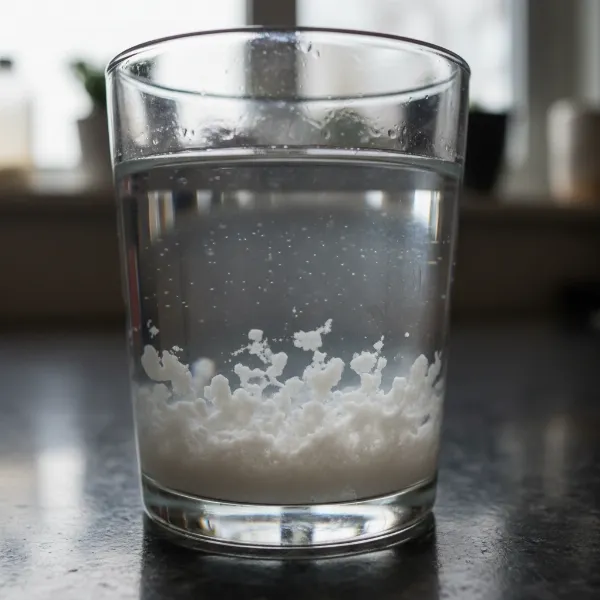 a close-up of a glass of tap water showing mineral deposits and hardness
What is Soft Water?
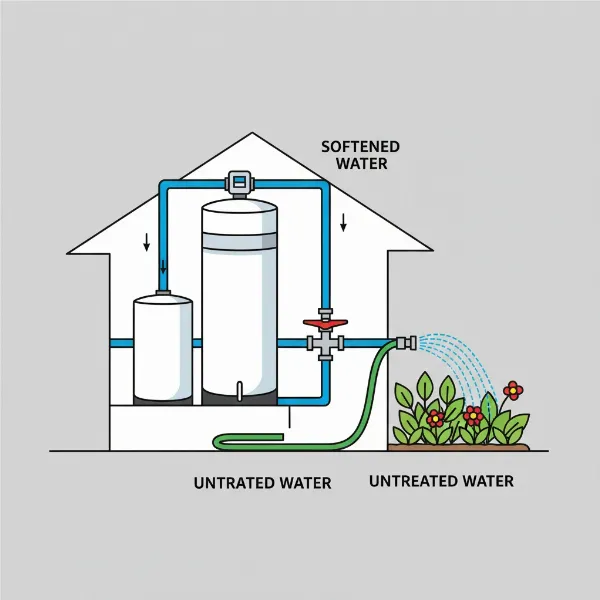
Conversely, soft water has a low concentration of these hardness-causing minerals. Naturally soft water exists in some regions where the water supply is less exposed to mineral deposits. More commonly, soft water is achieved through a water softening system. These systems work by exchanging calcium and magnesium ions with sodium ions (or sometimes potassium ions), effectively removing the troublesome minerals from the water. This process results in water that feels distinctively different and offers numerous benefits.
How to Identify Your Water Type
Identifying whether you have hard or soft water can often be done through observation. Common indicators of hard water include:
- Visible Residue: White, chalky buildup (limescale) on faucets, showerheads, kettles, and other water-using appliances.
- Soap Scum: A persistent film left on bathtubs, sinks, and shower walls after cleaning.
- Spotty Dishes: Glasses and silverware emerging from the dishwasher with white spots or a hazy film.
- Poor Lathering: Soap and shampoo struggle to form a rich lather, requiring more product to achieve cleanliness.
- Dry Skin and Hair: A feeling of dryness, tightness, or itchiness on your skin, and dull, lifeless hair after washing.
For a more accurate assessment, you can purchase a home water test kit or contact your local water supplier for an annual water quality report.
The Skin Deep Impact: Hard vs. Soft Water on Your Skin and Hair
The type of water you use for bathing and washing has a direct and significant impact on the health and appearance of your skin and hair.
Hard Water: A Stripping Effect
Hard water can be particularly harsh on your skin and hair due to its high mineral content. These minerals react with soaps and cleansers to form a sticky, insoluble residue known as soap scum. Instead of rinsing cleanly, this film adheres to your skin and hair, creating several issues:
- Dryness and Irritation: Hard water minerals strip away the skin’s natural oils, disrupting its delicate moisture barrier. This often leads to persistent dryness, itchiness, and irritation, even after moisturizing. For individuals with sensitive skin or existing conditions like eczema, hard water can exacerbate symptoms significantly. Studies suggest children living in hard water areas may face a substantially higher risk of developing eczema.
- Clogged Pores and Breakouts: The soap scum left behind can clog pores, trapping natural oils and leading to acne breakouts or worsening existing blemishes. This residue also makes it harder for skincare products to penetrate and work effectively.
- Premature Aging: Some impurities in hard water, such as iron and magnesium, can contribute to the formation of free radicals. These damaging molecules can accelerate the breakdown of collagen, leading to fine lines, wrinkles, and a dull complexion over time.
- Hair Woes: Hard water minerals coat hair strands, leaving them feeling dull, dry, and brittle. This mineral buildup can prevent shampoo from lathering properly and conditioners from penetrating, leading to lackluster locks, rapid fading of color-treated hair, and increased breakage. It can also irritate the scalp, contributing to dandruff and an itchy sensation.
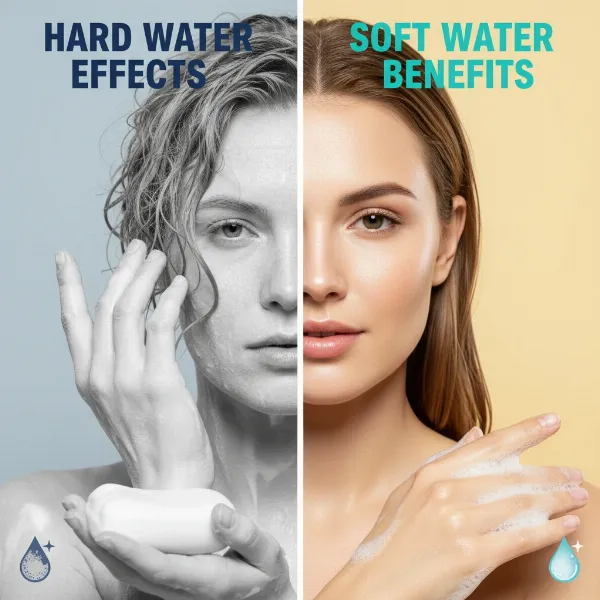 a split image comparing damaged, dry skin and hair from hard water with healthy skin and hair
Soft Water: The Gentle Touch
In contrast, soft water offers a much gentler experience for your skin and hair, promoting better health and appearance.
- Enhanced Hydration: Without the interference of harsh minerals, soft water allows your skin to retain its natural moisture more effectively, leading to softer, smoother, and more supple skin. The skin’s natural barrier remains intact, reducing dryness and irritation.
- Effective Cleansing: Soaps and shampoos lather effortlessly in soft water, creating a rich foam that cleanses thoroughly and rinses away completely. This eliminates pore-clogging soap scum, which can help prevent acne and improve overall skin clarity.
- Healthier Hair: Soft water leaves hair feeling cleaner, softer, and silkier. It minimizes mineral buildup, allowing hair to maintain its natural shine and vibrancy. Color-treated hair lasts longer, and products work more efficiently, leading to reduced breakage and a healthier scalp.
Beyond the Surface: Hard vs. Soft Water on Your Household Appliances
The effects of water hardness extend far beyond personal care, significantly impacting the performance, efficiency, and lifespan of your entire home’s plumbing and appliances.
Hard Water: The Silent Destroyer
Hard water is a common culprit behind appliance malfunctions and reduced household efficiency.
- Limescale Buildup: The calcium and magnesium minerals in hard water form hard, white deposits known as limescale. This scale accumulates inside pipes, water heaters, dishwashers, washing machines, and even smaller appliances like coffee makers and ice machines. Hot water accelerates this process, causing deposits to form on heating elements and internal components.
- Reduced Appliance Efficiency: Limescale buildup acts as an insulator, forcing water heaters to work harder and use more energy to heat water. In dishwashers and washing machines, mineral deposits can clog spray jets, internal hoses, and pump mechanisms, reducing water flow and cleaning effectiveness. This decreased efficiency translates to higher utility bills and a less effective appliance performance.
- Shortened Appliance Lifespan: The constant struggle against mineral buildup puts undue stress on appliance components, leading to premature wear and tear. This can result in costly repairs or the need for early replacement of expensive appliances like water heaters, washing machines, and dishwashers. Some appliance manufacturers may even void warranties if hard water is identified as the cause of damage.
- Unsightly Stains and Off-Tastes: Beyond functional issues, hard water leaves behind chalky white stains on fixtures and dishes, making them appear dirty even after cleaning. In coffee makers and ice machines, mineral buildup can impart an undesirable “off-taste” to beverages and ice.
Soft Water: Preserving Your Home Investment
Switching to soft water is a proactive step toward protecting your home’s infrastructure and appliances.
- Prevents Mineral Buildup: Soft water eliminates the source of limescale. Without calcium and magnesium, mineral deposits cannot form, keeping pipes clear, heating elements efficient, and spray jets unobstructed.
- Extended Appliance Lifespan: By preventing corrosive mineral buildup, soft water significantly prolongs the life of your water-using appliances. This means fewer repairs and replacements, saving you considerable money in the long run.
- Improved Efficiency and Lower Costs: Appliances running on soft water operate at peak efficiency, as there is no scale to impede heat transfer or water flow. This can lead to noticeable reductions in energy consumption, particularly for water heaters. Furthermore, soft water allows detergents and soaps to work more effectively, potentially reducing their usage by as much as 70% in washing machines and dishwashers, leading to further savings.
- Spotless Cleaning: Dishes come out sparkling clean without spots or film, and fixtures remain free of unsightly hard water stains, making household chores easier and less frequent.
Making the Switch: Water Softening Solutions
Given the myriad challenges posed by hard water, many homeowners opt for water softening solutions to improve their daily lives.
Benefits of Water Softeners
Investing in a water softening system offers a holistic improvement across your home: from the health and comfort of your skin and hair to the efficiency and longevity of your household appliances. It creates a cleaner environment with less scrubbing, brighter laundry, and more enjoyable bathing experiences.
Types of Softening Systems
The most common and effective solution is a whole-house water softener, which treats all the water entering your home. These typically use an ion-exchange process to remove hardness minerals. While salt-based systems are prevalent, some salt-free alternatives exist, though their effectiveness in true “softening” (removing minerals) can vary.
Considerations
When considering a water softener, it’s wise to:
- Professional Installation and Maintenance: Ensure professional installation and understand the ongoing maintenance requirements, such as adding salt to the brine tank for salt-based systems.
- Sodium Intake: Be mindful that salt-based softeners add a small amount of sodium to your water. While generally negligible for most, individuals with high blood pressure may wish to consult a healthcare provider or opt for a bypass line to the kitchen tap for drinking water.
- Test Your Water: Always begin by testing your water to understand its specific hardness level and composition, which will help in choosing the right system.
Choosing Your Water Future: Factors to Consider
Deciding whether to soften your water is a personal choice, but an informed one can lead to significant benefits.
To make the best decision for your home, consider these factors:
- Assess Your Current Water Quality: A comprehensive water test will reveal your water’s hardness level and the specific minerals present.
- Evaluate Household Needs: Prioritize your concerns. Are skin and hair issues your main complaint, or are you more troubled by appliance damage and high energy bills? A water softening system addresses both.
- Budget and Long-Term Costs: While there’s an initial investment, the long-term savings on soap, detergents, appliance repairs, and energy costs can make a water softener a financially sound decision.
- Seek Professional Advice: Consult with water treatment specialists who can recommend the most suitable system for your specific water conditions and household requirements.
Conclusion
The distinction between hard and soft water is more than just a scientific curiosity; it is a fundamental factor that shapes your comfort, health, and home efficiency. Hard water, laden with minerals, can lead to dry, irritated skin, dull hair, and a myriad of problems for your appliances, including reduced efficiency and premature failure. In stark contrast, soft water offers a gentle touch for your skin and hair, while extending the life and improving the performance of your household investments. Understanding these impacts empowers you to make an informed decision about the water quality in your home. By exploring water softening solutions, you can move towards a cleaner, healthier, and more efficient living environment. What steps will you take to transform your water experience?
Frequently Asked Questions
Is hard water bad for your health?
While not typically considered harmful for drinking, hard water minerals can exacerbate skin conditions like eczema and lead to dryness and irritation. Some studies suggest a potential link between hard water and the formation of kidney stones, though more research is needed to confirm a direct causal relationship.
Can soft water harm your skin?
No, soft water is generally better for your skin. It helps maintain the skin’s natural moisture barrier and allows soaps to rinse away completely, preventing the residue that causes dryness, irritation, and clogged pores often associated with hard water.
How can I tell if I have hard water?
Common signs include white, chalky mineral buildup on faucets and showerheads, soap scum on bathroom surfaces, spots on dishes after washing, and skin and hair feeling dry, tight, or dull after bathing. A simple home test kit or contacting your local water utility can also confirm water hardness.
Do water softeners add a lot of salt to my drinking water?
Water softeners do add a small amount of sodium to the water during the ion exchange process. The exact amount depends on the initial hardness of your water. For most people, this added sodium is minimal and falls within dietary guidelines, but individuals on sodium-restricted diets should consult a healthcare provider or consider a bypass tap for drinking water.
Can hard water damage be reversed?
Damage to appliances from hard water, such as limescale buildup, can often be cleaned or mitigated with specialized cleaners or descaling solutions, though severe buildup can lead to irreversible damage. For skin and hair, switching to soft water can help reverse dryness and irritation, allowing the skin to regain its natural balance over time with consistent care.