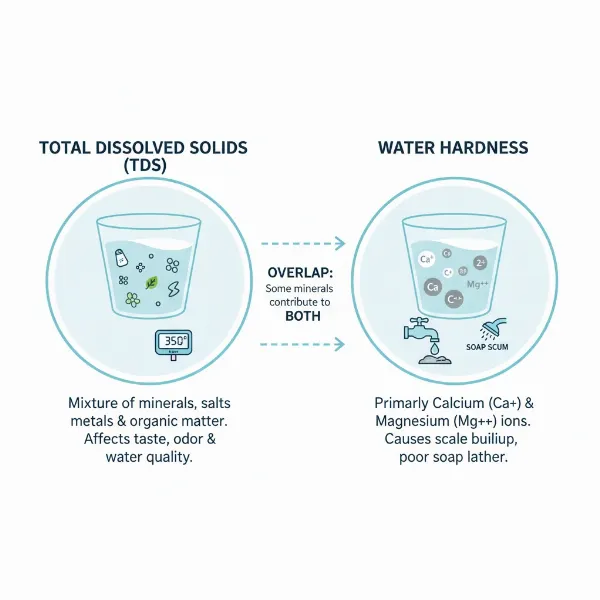
In our quest for pure and safe drinking water, two prominent options frequently emerge: distilled water and filtered water. While both aim to deliver a cleaner drinking experience, their purification processes and resulting compositions differ significantly, leading to a crucial debate about which is truly healthier for daily consumption. Understanding these differences is key to making an informed choice for your family’s hydration and well-being.
Understanding Distilled Water
Distilled water represents the pinnacle of water purity, achieved through a process that mimics nature’s own water cycle. To create distilled water, regular water is first heated to its boiling point, transforming it into steam. As the steam rises, it leaves behind most impurities, including minerals, heavy metals, chemicals, bacteria, viruses, and other contaminants that are too heavy to evaporate. This purified steam is then collected and cooled, condensing back into liquid water. The result is exceptionally pure H₂O, virtually free from all dissolved solids.
Because of its extreme purity, distilled water is often preferred in specific applications where any mineral content or impurity could interfere. This includes medical facilities, laboratories, for use in humidifiers, steam irons, or car batteries, and in certain industrial processes. While it offers unparalleled purity, its complete lack of minerals also contributes to its distinctively flat, almost “empty” taste, which many people find unpalatable for regular drinking.
Understanding Filtered Water
Filtered water, on the other hand, is produced by passing tap water through a physical or chemical barrier, or a combination of both, designed to remove specific impurities while generally retaining beneficial minerals. Water filtration systems vary widely in their technology and effectiveness, from simple activated carbon filters in pitchers to advanced multi-stage systems like reverse osmosis (RO) and ultrafiltration (UF) found in whole-house or under-sink units.
The primary goal of filtration is to reduce or eliminate common contaminants found in municipal or well water. These can include chlorine, sediment, volatile organic compounds (VOCs), pesticides, herbicides, industrial chemicals, bacteria, cysts, and heavy metals such as lead, mercury, and arsenic. Unlike distillation, which strips everything away, most filtration methods are designed to selectively remove harmful substances while allowing essential minerals like calcium, magnesium, and potassium to pass through. This balance contributes to not only a cleaner, safer drink but also a more pleasant taste and odor compared to unfiltered tap water.
The Health Debate: Distilled vs. Filtered Water
The core of the “healthier” debate lies in the presence or absence of natural minerals and electrolytes, which play vital roles in human physiology.
Distilled Water’s Health Implications
|
Our Picks for the Best Water Filter in 2026
As an Amazon Associate I earn from qualifying purchases.
|
||
| Num | Product | Action |
|---|---|---|
| 1 | ZeroWater 20-Cup Ready-Pour 5-Stage Water Filter Dispenser with 0 TDS Water Filter – IAPMO Certified to Reduce Lead, Chromium, and PFOA/PFOS |

|
| 2 | Brita Metro Water Filter Pitcher with SmartLight Change Indicator, BPA-Free, Replaces 1,800 Plastic Water Bottles a Year, Lasts Two Months, Includes 1 Filter, Small - 6-Cup Capacity, White |
|
| 3 | ZeroWater 32-Cup 5-Stage Water Filter Dispenser with Instant Read Out - 0 TDS for Improved Tap Water Taste - IAPMO Certified to Reduce Lead, Chromium, and PFOA/PFOS |
|
| 4 | GLACIER FRESH Water Filter Compatible with XWFE (Built-in CHIP), Replacement for GE XWFE, XWF Refrigerator Water Filter NSF/ANSI 42 Certification Pack of 1 |
|
| 5 | Brita UltraMax Large Water Dispenser With Standard Filter, BPA-Free, Reduces Copper, Cadmium and Mercury Impurities, Lasts 2 Months or 40 Gallons, Includes 1 Filter, Kitchen Accessories, Large 27-Cup |
|
| 6 | everydrop by Whirlpool Ice and Water Refrigerator Filter 1, EDR1RXD1, Single-Pack , Purple |
|
| 7 | Samsung HAF-QIN/EXP Genuine Refrigerator Water Filter, Reduces 99% of Harmful Contaminants for Clean, Clear Drinking Water, 6-Month Life, Easy Install, Pack of 1 |
|
| 8 | FRIGIDAIRE ULTRAWF Pure Source Ultra Water Filter, Original, White, 1 Count |
|
| 9 | everydrop® by Whirlpool Refrigerator Water Filter A - EDRARXD1 (Pack of 1) |
|
| 10 | E-3000UV Whole House Salt-Free Water Softener & Filter Combo with UV |
|
On the positive side, distilled water is undeniably pure. Its freedom from bacteria, viruses, and environmental toxins can be appealing, especially in areas with compromised water quality or for specific medical needs. For short-term use, such as during a detox or for specific medical treatments, drinking distilled water is generally considered safe.
However, the complete absence of naturally occurring minerals in distilled water is its primary drawback for long-term consumption. Water is not our sole source of minerals, but it contributes to our daily intake of essential electrolytes like calcium, magnesium, and potassium. These minerals are crucial for maintaining proper bodily functions, including nerve signaling, muscle contraction, and fluid balance. Exclusive, prolonged consumption of distilled water, without adequate dietary compensation, could potentially lead to mineral deficiencies or an electrolyte imbalance. Furthermore, some experts suggest that demineralized water may subtly leach minerals from the body in an attempt to maintain balance, though research on this is ongoing and complex.
Filtered Water’s Health Implications
Filtered water offers a compelling balance. It provides effective removal of a wide range of harmful contaminants, directly reducing your exposure to substances that can negatively impact health. By eliminating unpleasant tastes and odors caused by chlorine or sulfur, filtered water often tastes better, which can encourage greater water intake and overall hydration.
Crucially, many high-quality water filters are designed to retain beneficial minerals. These minerals not only enhance the taste of the water but also contribute to your daily nutritional needs and support various physiological processes. Regular consumption of mineral-rich filtered water can support:
- Improved Digestion: Clean water aids in cultivating a healthy gut microbiome and facilitates nutrient absorption.
- Enhanced Hydration: Better taste encourages more drinking, leading to optimal hydration for skin health, energy levels, and metabolic function.
- Stronger Immune System: By reducing the intake of toxins, the immune system can function more effectively.
- Kidney Function: Reducing the workload on kidneys by minimizing the intake of harmful substances helps these vital organs function efficiently.
Comparing Distilled and Filtered Water: A Detailed Look
To help clarify the differences, here’s a detailed comparison:
| Feature | Distilled Water | Filtered Water |
|---|---|---|
| Purification Process | Boiling to steam, then condensation (removes everything) | Passing through various filter media (e.g., carbon, RO, UF) |
| Mineral Content | Virtually zero (demineralized) | Retains beneficial minerals, removes harmful ones |
| Purity Level | Extremely pure H₂O, free from almost all substances | High purity, free from specific contaminants, retains minerals |
| Taste | Flat, “empty,” often described as bland | Clean, crisp, generally pleasant due to retained minerals |
| Common Uses | Labs, medical, humidifiers, specific appliances, emergency drinking | Daily drinking, cooking, beverages, general household use |
| Health Impact (Long-term) | Potential for mineral deficiencies/electrolyte imbalance if exclusive | Generally considered healthier for daily, long-term consumption |
| Cost/Environmental Impact | Higher energy consumption for home distillation | Varies by system, generally more eco-friendly than bottled water |
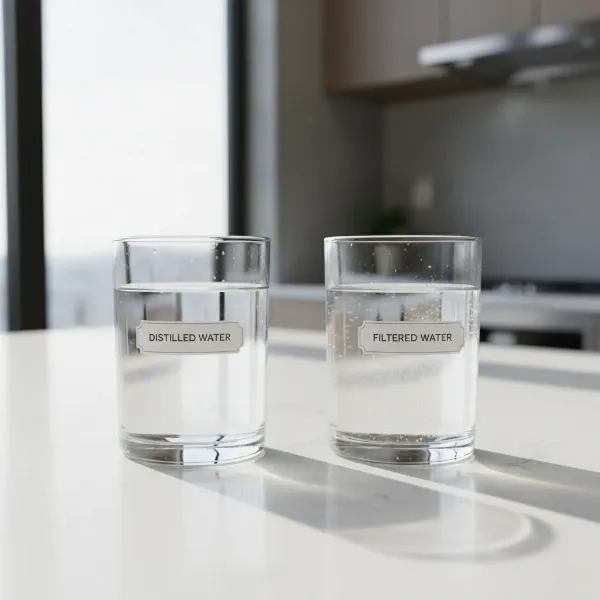 A side-by-side comparison of a glass of distilled water and a glass of filtered water, highlighting their different properties like clarity and mineral content
Choosing Your Water: Factors to Consider
Deciding between distilled and filtered water for your home depends on several personal factors and specific needs:
Your Primary Water Source
If you rely on municipal tap water, a good filtration system can address common concerns like chlorine, heavy metals, and pipe contaminants. For well water, which can have varying levels of bacteria, pesticides, and other unique contaminants, a comprehensive filtration system becomes even more critical. Understanding the specific impurities in your local water is the first step.
Specific Health Needs and Dietary Intake
If your diet is rich in fruits, vegetables, and other mineral-dense foods, and you’re healthy, occasional consumption of distilled water is unlikely to cause issues. However, for those with restrictive diets, specific health conditions, or who engage in intense physical activity (leading to electrolyte loss), relying solely on distilled water could exacerbate mineral imbalances. Filtered water typically offers a safer bet for consistent mineral intake.
Budget and Convenience
Investing in a home water filter system, whether a pitcher, faucet, under-sink, or whole-house unit, often proves more cost-effective and convenient in the long run than repeatedly buying bottled distilled water. Distillation equipment for home use also involves an initial investment and ongoing energy costs.
Environmental Concerns
The production of distilled water, requiring significant energy for boiling, carries a larger environmental footprint than many common water filtration methods. Filtration systems, especially reusable ones, reduce reliance on single-use plastic bottles, making them a more environmentally conscious choice.
Common Water Filtration Technologies
For those leaning towards filtered water, understanding the various technologies available can help in selecting the ideal water filter.
Activated Carbon Filters
These are widely used in pitcher filters, faucet attachments, and some whole-house systems. Activated carbon is excellent at adsorbing chlorine, sediment, VOCs, and improving taste and odor. They typically retain beneficial minerals.
Reverse Osmosis (RO) Systems
RO systems push water through a semi-permeable membrane, effectively removing nearly all dissolved solids, including heavy metals, nitrates, fluoride, and some bacteria and viruses. While highly effective, some RO systems also remove beneficial minerals, which can sometimes be re-mineralized in a final stage.
Ultrafiltration (UF) Systems
UF systems use a membrane filter with larger pores than RO, removing suspended solids, bacteria, viruses, and some larger organic molecules, while typically retaining dissolved minerals. They operate at lower pressure and are effective at point-of-use.
Choosing the right water filter involves assessing your specific water quality challenges and desired level of purification. Reputable brands and certified products (e.g., NSF, WQA) provide assurance of performance.
Maintaining Your Filtration System
Regardless of the type of filtered water system you choose, proper maintenance is paramount to ensure its continued effectiveness and the purity of your drinking water. Regularly changing filter cartridges according to manufacturer guidelines prevents filters from becoming saturated and potentially releasing trapped contaminants back into your water. Periodic cleaning of the filter housing and system components can also prevent bacterial growth and maintain optimal flow rates. Neglecting maintenance can compromise the filter’s ability to purify water, negating its benefits.
Tips for Cost-Effective & Healthy Hydration
Embracing filtered water offers numerous benefits for both your health and your wallet. To maximize these advantages:
- Invest in a Durable System: Choose a water filter system with a good warranty and readily available replacement parts or filters. Higher quality systems often offer better long-term value.
- Follow Maintenance Schedules: Adhering to the recommended filter replacement schedule is crucial. Regularly replacing filters ensures optimal performance and prevents costly repairs or recontamination.
- Opt for Bulk Filter Purchases: Many manufacturers offer discounts when buying multiple replacement filters, helping you save money over time.
- Utilize Filtered Water for Everything: Use your filtered water not just for drinking, but also for cooking, making coffee and tea, and even washing fruits and vegetables. This ensures you’re consuming cleaner water across all aspects of your diet.
- Consider a Reusable Bottle: Ditch single-use plastic bottles and carry a reusable one filled with your home’s filtered water. This is a small step with a big environmental and financial impact.
Conclusion
When it comes to daily hydration, the choice between distilled water and filtered water is clear for most people: filtered water emerges as the healthier and more practical option. While distilled water offers unparalleled purity by removing everything, it also strips away vital minerals essential for our health, making it less suitable for long-term, exclusive consumption. Filtered water, conversely, strikes a beneficial balance, effectively eliminating harmful contaminants while preserving the natural minerals that contribute to our well-being and a pleasant taste.
For optimal health and consistent, safe hydration, investing in a high-quality water filter system tailored to your specific needs is a wise decision. What steps will you take to ensure your household enjoys the benefits of truly healthy water?
Frequently Asked Questions
Is distilled water safe to drink every day?
While safe for occasional consumption, drinking distilled water exclusively every day is generally not recommended by health experts due to its complete lack of essential minerals like calcium and magnesium. These minerals are important for bodily functions and electrolyte balance, and prolonged absence could lead to deficiencies if not compensated through diet.
Does filtered water remove fluoride?
The removal of fluoride by Water Filters depends on the type of filtration technology used. Activated carbon filters typically do not remove fluoride. However, advanced systems like reverse osmosis (RO) or specific bone char filters are effective at significantly reducing or removing fluoride from water.
Can you get all necessary minerals from food instead of water?
Yes, it is possible to obtain essential minerals primarily from a balanced diet rich in fruits, vegetables, nuts, and whole grains. Water contributes to our mineral intake, but food sources are often the main contributors. However, the World Health Organization notes that water-derived minerals can be an important part of total daily intake.
What causes the “flat” taste of distilled water?
The “flat” or bland taste of distilled water is due to the complete absence of dissolved minerals and gases. These components, even in trace amounts, contribute to the characteristic flavor and mouthfeel of natural and filtered waters. Without them, distilled water lacks the usual sensory qualities we associate with drinking water.