Concerns about tap water quality are widespread, with many people unsure whether the water flowing from their faucet is truly safe to drink. Despite rigorous testing and regulations in most developed countries, a myriad of common myths about tap water safety continues to circulate, often leading to unnecessary anxiety or, conversely, a false sense of security. Understanding the truth behind these misconceptions is crucial for making informed decisions about your family’s hydration and overall health. This article aims to dismantle these enduring myths, providing clarity and evidence-based insights into what truly makes your tap water safe, or when it might warrant extra filtration.
Understanding Tap Water: What’s in it and Why it Matters
Tap water, often taken for granted, is a complex mixture whose composition varies significantly by location. It typically originates from surface water sources like rivers and lakes, or groundwater such as aquifers. Before reaching your home, this raw water undergoes extensive treatment processes at municipal facilities to remove contaminants, disinfect against pathogens, and meet strict safety standards. These treatments are essential to transform natural water sources into potable water suitable for human consumption.
The quality of your tap water matters immensely because contaminants, if present, can pose serious health risks. While municipal treatment aims to remove harmful bacteria, viruses, parasites, heavy metals, pesticides, and other industrial pollutants, infrastructure issues like aging pipes or specific local environmental factors can sometimes introduce new concerns. The benefits of safe tap water are undeniable: it’s a convenient, cost-effective, and environmentally friendly source of hydration, vital for bodily functions, cooking, and hygiene. Being informed about what’s in your water empowers you to protect your family’s health.
Debunking the Top Tap Water Safety Myths
Many misconceptions about tap water persist, often fueled by anecdotal evidence or outdated information. Let’s systematically debunk some of the most common myths to provide a clearer picture of tap water safety.
Myth 1: Bottled Water is Always Safer and Healthier Than Tap Water
|
Our Picks for the Best Water Filter in 2026
As an Amazon Associate I earn from qualifying purchases.
|
||
| Num | Product | Action |
|---|---|---|
| 1 | ZeroWater 32-Cup 5-Stage Water Filter Dispenser with Instant Read Out - 0 TDS for Improved Tap Water Taste - IAPMO Certified to Reduce Lead, Chromium, and PFOA/PFOS |

|
| 2 | FRIGIDAIRE ULTRAWF Pure Source Ultra Water Filter, Original, White, 1 Count |
|
| 3 | E-3000UV Whole House Salt-Free Water Softener & Filter Combo with UV |
|
| 4 | everydrop by Whirlpool Ice and Water Refrigerator Filter 1, EDR1RXD1, Single-Pack , Purple |
|
| 5 | ZeroWater 20-Cup Ready-Pour 5-Stage Water Filter Dispenser with 0 TDS Water Filter – IAPMO Certified to Reduce Lead, Chromium, and PFOA/PFOS |
|
| 6 | GLACIER FRESH Water Filter Compatible with XWFE (Built-in CHIP), Replacement for GE XWFE, XWF Refrigerator Water Filter NSF/ANSI 42 Certification Pack of 1 |
|
| 7 | Brita UltraMax Large Water Dispenser With Standard Filter, BPA-Free, Reduces Copper, Cadmium and Mercury Impurities, Lasts 2 Months or 40 Gallons, Includes 1 Filter, Kitchen Accessories, Large 27-Cup |
|
| 8 | everydrop® by Whirlpool Refrigerator Water Filter A - EDRARXD1 (Pack of 1) |
|
| 9 | Brita Metro Water Filter Pitcher with SmartLight Change Indicator, BPA-Free, Replaces 1,800 Plastic Water Bottles a Year, Lasts Two Months, Includes 1 Filter, Small - 6-Cup Capacity, White |
|
| 10 | Samsung HAF-QIN/EXP Genuine Refrigerator Water Filter, Reduces 99% of Harmful Contaminants for Clean, Clear Drinking Water, 6-Month Life, Easy Install, Pack of 1 |
|
This is perhaps one of the most pervasive myths, leading many consumers to spend significantly more on bottled water, believing it offers superior purity. In reality, bottled water is not inherently safer or healthier than tap water. Municipal tap water in countries like the United States is regulated by the Environmental Protection Agency (EPA) under the Safe Drinking Water Act, which mandates stringent testing, public reporting, and adherence to specific contaminant limits. Bottled water, on the other hand, is regulated by the Food and Drug Administration (FDA) as a food product. While FDA standards are similar, they apply differently, and bottled water often isn’t subject to the same public transparency requirements regarding water sources or quality reports.
Studies have shown that some bottled water brands contain microplastics, which are largely absent in tap water, and in some cases, bottled water has been found to contain levels of contaminants that exceed tap water standards. Furthermore, the environmental impact of plastic bottles, from production to disposal, is significantly higher than that of tap water. Choosing bottled water solely for perceived safety often overlooks the robust regulatory framework safeguarding tap water.
Myth 2: If Water Looks Clear and Tastes Fine, It Must Be Safe to Drink
The appearance and taste of water are unreliable indicators of its safety. Many harmful contaminants are invisible, odorless, and tasteless. For instance, lead, a neurotoxin, can leach into water from old pipes without altering its sensory qualities. Bacteria like E. coli or chemicals such as arsenic can be present at dangerous levels in water that appears perfectly clear and refreshing. While aesthetic issues like cloudiness or a metallic taste can sometimes signal a problem, their absence does not guarantee purity.
Relying solely on your senses to judge water quality is a risky approach. The only definitive way to know if your water is safe is through proper testing. This is why municipal water systems conduct frequent, comprehensive tests for a wide range of contaminants, providing objective data that your senses cannot.
Myth 3: Boiling Tap Water Removes All Harmful Contaminants
Boiling water is an effective method for killing most disease-causing microorganisms, including bacteria, viruses, and parasites. This is why boil water advisories are issued during emergencies like water main breaks or floods when microbial contamination is a concern. The heat effectively denatures proteins and disrupts the cellular structures of these pathogens, making the water microbiologically safe.
However, boiling water does not remove chemical contaminants, heavy metals, or pesticides. In fact, for some contaminants like lead or nitrates, boiling can actually concentrate them, as the water evaporates while the contaminants remain. Similarly, chlorine, used for disinfection, can form harmful byproducts when boiled. Therefore, while boiling is an excellent strategy for addressing biological threats, it is ineffective and potentially counterproductive for chemical impurities.
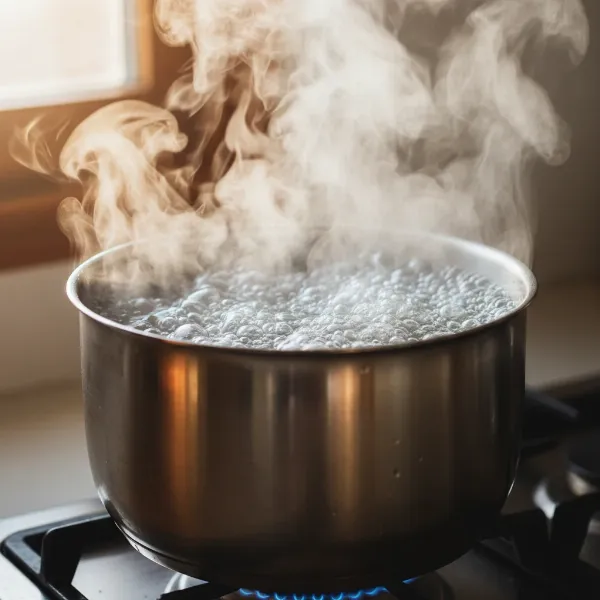 Boiling water for safety, showing steam rising from a pot on a stove, illustrating a common method for disinfecting water but not removing chemical contaminants.
Myth 4: Only Old Houses Have Lead Pipes, So My Water is Safe
While lead pipes were indeed more common in older homes (built before 1986 in the U.S.), the presence of lead in drinking water is not exclusively an old-house problem. Lead can also enter drinking water through lead service lines connecting homes to the main water supply, lead solder used in plumbing, or brass fixtures and faucets that contain lead. Many homes built even into the late 1980s or early 1990s might still have lead solder or leaded brass fixtures.
The EPA’s Lead and Copper Rule mandates water utilities to test for lead at customers’ taps, but these tests are often limited and may not capture peak lead levels. The only way to truly know if lead is present in your tap water is to have your specific home’s water tested, especially if you live in an older area or are unsure about your plumbing materials. Even small amounts of lead exposure can be harmful, particularly to children and pregnant women.
Myth 5: A Whole-House Filter Makes All Your Water Perfectly Pure
Whole-house water filters, also known as point-of-entry filters, are installed where the main water line enters your home, treating all the water used for showering, washing dishes, and laundry. They are highly effective at reducing sediment, chlorine, and other common contaminants, improving water aesthetics and protecting appliances. For many households, a whole-house filter significantly enhances overall water quality.
However, labeling the water “perfectly pure” is an overstatement. The effectiveness of a whole-house filter depends entirely on its specific filtration media and design. Not all whole-house filters are designed to remove specific contaminants like lead, fluoride, or certain complex chemicals, which may require specialized filtration technologies like reverse osmosis (RO) or activated carbon specifically designed for drinking water at the point-of-use (e.g., at the kitchen sink). For optimal drinking water safety, a combination of a whole-house filter for general treatment and a point-of-use filter for drinking and cooking water is often recommended.
Myth 6: My City’s Water Quality Report Guarantees My Tap Water is Safe
Municipal water quality reports, often called Consumer Confidence Reports (CCRs), are valuable resources. They provide detailed information about the water source, detected contaminants, and compliance with federal and state regulations. These reports are excellent for understanding the overall quality of your municipal water supply as it leaves the treatment plant and travels through the main distribution system.
However, a CCR does not guarantee the safety of the water at your tap. The “last mile” of water delivery, which includes the service line to your home and your internal plumbing, can introduce contaminants not present in the city’s tested samples. As mentioned with lead, older pipes or fixtures within your home can impact water quality. While CCRs are a great starting point, they provide a general overview, and personal tap water testing offers the most accurate picture for your specific household.
Navigating Tap Water Safety: What You Can Do
Understanding the myths is the first step; taking action is the next. Given the complexities of water quality, proactive measures can empower you to ensure your family’s access to safe and clean drinking water.
Assess Your Water Source and Local Conditions
Start by checking your local municipal water quality report (Consumer Confidence Report), usually available on your city’s website. This will give you an overview of the contaminants that are typically present and treated in your area. Consider your home’s age and plumbing; older homes may be more susceptible to issues like lead or galvanized pipes. If you use well water, regular private testing is absolutely critical, as well water is not subject to municipal regulations and can be vulnerable to local agricultural runoff or septic system contamination.
Consider Personal Water Testing
For the most accurate assessment of your specific tap water, consider having it tested. Many certified laboratories offer home water testing kits that can check for common contaminants, including lead, copper, chlorine, hardness, and various chemicals. This personalized data can highlight any specific issues affecting your home’s water quality that might not be evident from a general municipal report. Testing is especially important if you notice any unusual tastes, odors, or discoloration, or if there are vulnerable individuals like infants or pregnant women in your household.
Explore Filtration Solutions
Based on your water quality report and any personal testing results, you can choose a water filtration solution tailored to your needs.
- Pitcher filters are convenient for small volumes and can reduce chlorine and some other aesthetic contaminants.
- Faucet-mounted filters offer on-demand filtered water for drinking and cooking.
- Under-sink filters provide higher capacity and more comprehensive filtration, often using advanced technologies like reverse osmosis (RO) for a wider range of contaminant removal.
- Whole-house filters address water quality throughout your entire home, improving shower water and protecting appliances.
A comprehensive approach might involve a whole-house filter combined with a point-of-use filter for drinking water.
Maintain Your Filtration System
Regardless of the type of filter you choose, regular maintenance is paramount to its effectiveness. Filters become saturated with removed contaminants over time and need to be replaced according to the manufacturer’s recommendations. Neglecting filter replacement can lead to reduced efficiency, allowing contaminants to pass through, or even become breeding grounds for bacteria. Always follow the specific instructions for your filtration system to ensure it continues to provide clean and safe water.
Expert Insight on Water Quality
> “Understanding your local water quality is the first and most critical step towards ensuring safe drinking water. While municipal systems work hard to deliver clean water, factors within your own home can significantly impact what comes out of your tap. Personalized testing and appropriate filtration are powerful tools for peace of mind.” – Dr. Anya Sharma, Environmental Health Scientist specializing in Water Quality.
Conclusion
The pursuit of safe drinking water is a fundamental concern for every household, and navigating the vast landscape of information, misinformation, and marketing claims can be daunting. By debunking common myths about tap water safety, we hope to empower you with accurate knowledge, helping you distinguish fact from fiction. Tap water, especially in well-regulated regions, is often a remarkably safe and convenient resource, yet it’s not without potential vulnerabilities, particularly concerning your home’s unique plumbing. Taking proactive steps—from reviewing local reports and personal testing to implementing and maintaining appropriate filtration—is key to ensuring the water you and your family consume is truly clean and healthy. What steps will you take today to gain greater confidence in your tap water’s safety?
Frequently Asked Questions
Does my tap water contain fluoride, and is it safe?
Many municipal water systems add fluoride to tap water to help prevent tooth decay, a practice supported by public health organizations. The EPA sets safe limits for fluoride, and studies generally show that fluoridated water at optimal levels is safe and beneficial for dental health. If you have concerns, your local water quality report will indicate if your water is fluoridated and at what levels.
Can water filters remove PFAS “forever chemicals”?
Some advanced Water Filters, particularly those using activated carbon, reverse osmosis (RO), or ion exchange resins, are effective at reducing PFAS (per- and polyfluoroalkyl substances) from drinking water. However, not all filters are equally effective. Look for filters specifically certified to remove PFAS by organizations like NSF International or the Water Quality Association (WQA).
How often should I test my well water?
If you have well water, it is recommended to test it at least once a year for basic contaminants like bacteria, nitrates, and pH, and more frequently if you notice changes in taste, odor, or color, or if there’s nearby industrial or agricultural activity. You should also test for specific contaminants if there are known issues in your area.
Is it true that plastic water bottles leach chemicals into the water?
Yes, some plastic water bottles, especially when exposed to heat or over time, can leach chemicals like phthalates or bisphenol A (BPA) into the water. While regulatory bodies deem these levels safe, many consumers prefer to avoid them. Using reusable bottles made from stainless steel or glass can mitigate this concern.
What are microplastics, and are they in my tap water?
Microplastics are tiny plastic particles, typically less than 5 millimeters in length. They are ubiquitous in the environment and have been found in both tap and bottled water, although generally in low concentrations in tap water. The health impacts of ingesting microplastics are still being researched, but current findings suggest tap water often contains fewer microplastics than bottled water.