The crisp, refreshing taste of clean drinking water is a fundamental necessity, yet it’s often a luxury when you’re far from home or deep in the wilderness. Whether you’re embarking on an epic hiking adventure through remote trails or exploring vibrant cities in countries with questionable tap water quality, a reliable water filter bottle can be your most invaluable companion. This comprehensive guide will navigate the world of portable water filtration, helping you select the perfect companion to ensure safe, delicious hydration wherever your journey takes you.
What is a Water Filter Bottle and Why Do You Need One?
A water filter bottle is a portable hydration solution equipped with an integrated filtration system designed to remove contaminants from various water sources. In essence, it transforms potentially unsafe water into drinkable water on the go, eliminating the need for single-use plastic bottles.
The importance of owning such a device cannot be overstated, especially for adventurers and international travelers. Waterborne illnesses are a significant risk in many parts of the world and in natural environments. Common culprits include bacteria like E. coli and Salmonella, protozoa such as Giardia and Cryptosporidium, and even viruses like Hepatitis A. Beyond microorganisms, tap water in certain regions can contain chemical pollutants, heavy metals, or microplastics that pose long-term health risks. For hikers, untreated stream or lake water can harbor similar dangers. A high-quality water filter bottle offers a crucial line of defense, safeguarding your health and ensuring your adventures remain uninterrupted. Moreover, embracing a reusable water filter bottle dramatically reduces your environmental footprint by minimizing reliance on disposable plastic, contributing to a healthier planet. It’s a smart investment for your well-being and the environment.
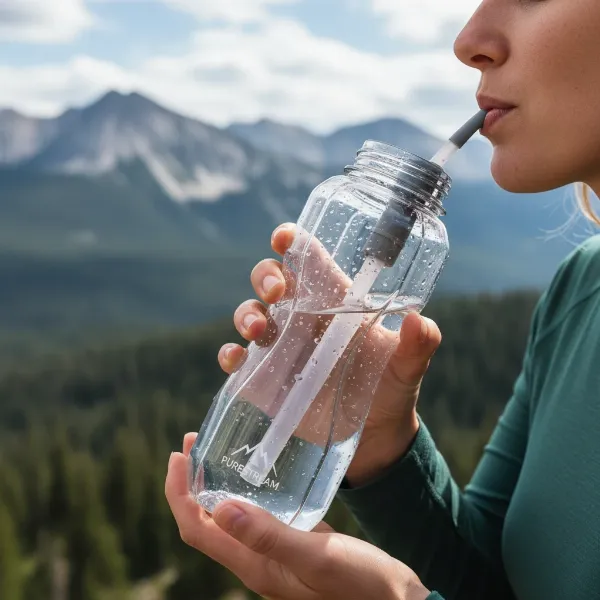 Hiker drinking clean, filtered water from a bottle in a beautiful natural landscape.
Popular Types of Water Filter Bottles for Adventure
Water filter bottles come in various designs, each employing different filtration technologies suited for specific scenarios. Understanding these types is key to choosing the right bottle for your needs.
Mechanical Filtration Systems
Mechanical filters physically block contaminants as water passes through a porous membrane or material.
- Straw Filters: These are often the simplest form, where you sip directly through a straw containing the filter.
- Pros: Extremely lightweight, affordable, and effective against bacteria and protozoa. They are often convenient for quick sips from a water source.
- Cons: Typically do not remove viruses, have a slower flow rate, and cannot be used to filter water into another container for cooking or sharing. You must carry the dirty water until it’s consumed.
- Squeeze Filters: Similar to straw filters, these usually feature a soft, collapsible bottle that you fill with dirty water and then squeeze through an integrated filter.
- Pros: Very lightweight and packable, often offering a faster flow rate than straw filters. The ability to squeeze water means you can dispense filtered water into other bottles or cooking pots. Effective against bacteria and protozoa.
- Cons: Most models do not filter viruses. The soft bottle material can be less durable than rigid options.
- Press Filters: These sophisticated systems involve an inner bottle with a filter cartridge that is pressed down into an outer reservoir filled with untreated water. The pressure forces water through the filter.
- Pros: Highly effective, removing bacteria, protozoa, viruses, chemicals, and heavy metals. They offer quick filtration and the ability to store and dispense clean water. The robust design is often very durable.
- Cons: Generally heavier and bulkier than squeeze or straw filters. The filter cartridge typically has a shorter lifespan and requires more effort to press.
UV-C Purification Systems
These bottles use ultraviolet-C light to destroy harmful microorganisms. The UV-C light damages the DNA of bacteria, viruses, and protozoa, rendering them unable to reproduce and cause illness.
- Pros: Kills bacteria and viruses without chemicals or physical filters, making maintenance simple (no filter replacement for the UV component). Often self-cleaning to prevent odor and mold.
- Cons: Does not remove sediment, chemicals, heavy metals, or improve taste. Water must be clear for UV-C light to be effective, meaning turbid water requires pre-filtration. Relies on battery power, requiring charging.
Hybrid Filtration
Some bottles combine multiple technologies, such as a hollow fiber membrane for pathogen removal and activated carbon for chemical and taste improvement. This offers a more comprehensive solution, often found in advanced press filter designs.
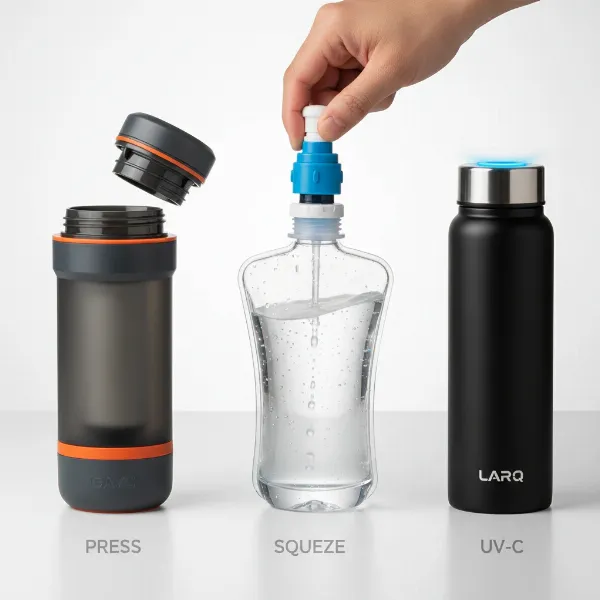 Collection of various water filter bottles, showcasing different designs and filtration mechanisms.
|
Our Picks for the Best Water Filter in 2026
As an Amazon Associate I earn from qualifying purchases.
|
||
| Num | Product | Action |
|---|---|---|
| 1 | everydrop® by Whirlpool Refrigerator Water Filter A - EDRARXD1 (Pack of 1) |

|
| 2 | E-3000UV Whole House Salt-Free Water Softener & Filter Combo with UV |
|
| 3 | GLACIER FRESH Water Filter Compatible with XWFE (Built-in CHIP), Replacement for GE XWFE, XWF Refrigerator Water Filter NSF/ANSI 42 Certification Pack of 1 |
|
| 4 | Brita Metro Water Filter Pitcher with SmartLight Change Indicator, BPA-Free, Replaces 1,800 Plastic Water Bottles a Year, Lasts Two Months, Includes 1 Filter, Small - 6-Cup Capacity, White |
|
| 5 | FRIGIDAIRE ULTRAWF Pure Source Ultra Water Filter, Original, White, 1 Count |
|
| 6 | everydrop by Whirlpool Ice and Water Refrigerator Filter 1, EDR1RXD1, Single-Pack , Purple |
|
| 7 | ZeroWater 20-Cup Ready-Pour 5-Stage Water Filter Dispenser with 0 TDS Water Filter – IAPMO Certified to Reduce Lead, Chromium, and PFOA/PFOS |
|
| 8 | ZeroWater 32-Cup 5-Stage Water Filter Dispenser with Instant Read Out - 0 TDS for Improved Tap Water Taste - IAPMO Certified to Reduce Lead, Chromium, and PFOA/PFOS |
|
| 9 | Brita UltraMax Large Water Dispenser With Standard Filter, BPA-Free, Reduces Copper, Cadmium and Mercury Impurities, Lasts 2 Months or 40 Gallons, Includes 1 Filter, Kitchen Accessories, Large 27-Cup |
|
| 10 | Samsung HAF-QIN/EXP Genuine Refrigerator Water Filter, Reduces 99% of Harmful Contaminants for Clean, Clear Drinking Water, 6-Month Life, Easy Install, Pack of 1 |
|
Comparing Water Filter Bottles: A Detailed Overview
Choosing the best water filter bottle involves weighing various factors against your specific needs. Here’s a comparison of common features and leading models:
| Feature | Grayl GeoPress / UltraPress | LifeStraw Go Series / Peak Squeeze | Katadyn BeFree | LARQ PureVis |
|---|---|---|---|---|
| Filtration Type | Press (Electroadhesion + Activated Carbon) | Squeeze / Straw (Hollow Fiber Membrane + Carbon) | Squeeze (Hollow Fiber Membrane) | UV-C Light Purification |
| Contaminants Removed | Bacteria, Viruses, Protozoa, Heavy Metals, Chemicals, Microplastics, Sediment | Bacteria, Protozoa, Microplastics, Silt, Sand, Turbidity (Go Series adds Carbon for taste/chemicals) | Bacteria, Protozoa, Microplastics, Sediment | Bacteria, Viruses (does not filter particulates or chemicals) |
| Filter Lifespan | 250-350 presses (GeoPress), 150 presses (UltraPress) | 500-1000 gallons (Varies by model) | 1000 liters (approx. 264 gallons) | N/A (UV bulb life, not filter) |
| Flow Rate / Speed | Fast (8-10 seconds per press) | Moderate (requires sucking/squeezing effort) | Fast (2 liters/minute) | Fast (60-120 seconds per cycle) |
| Weight (Empty) | Heavier (12.5-16 oz) | Moderate (8-10 oz for Go Series, 4 oz for Peak Squeeze) | Very lightweight (2.3-3 oz) | Moderate (10-14 oz) |
| Material | Durable BPA-free Polypropylene | BPA-free Plastic (Go Series), Collapsible Plastic (Peak Squeeze) | Collapsible TPU/SoftFlask | Insulated Stainless Steel |
| Ideal Use | International travel (virus protection), hiking, all-around | Hiking, backpacking, everyday use (Go Series), ultralight hiking (Peak Squeeze) | Ultralight hiking, backpacking, trail running | City water, clear water sources (taste unaffected) |
Water Filter Bottle Buying Guide: Factors to Consider
Selecting the ideal water filter bottle requires careful consideration of your typical travel and hiking environments.
Source Water Quality and Contaminant Removal
This is perhaps the most critical factor. For backcountry hiking in developed regions, removing bacteria and protozoa (like Giardia and Cryptosporidium) is often sufficient. Filters with a pore size of 0.1-0.2 microns are effective here. However, for international travel, especially in developing countries, or when dealing with highly suspect water sources, virus removal is paramount. Viruses are much smaller than bacteria and protozoa, requiring purifiers that can filter down to 0.01 microns or use UV-C technology. Always check if a bottle is a “filter” (typically bacteria/protozoa) or a “purifier” (bacteria/protozoa/viruses).
Flow Rate and Ease of Use
No one wants to struggle to get a drink. Consider how quickly the bottle processes water and the effort required. Press systems like Grayl offer rapid, one-step purification. Squeeze bottles provide faster flow than straw filters, which often require significant sucking effort. Think about whether you’ll be filtering water for immediate drinking only or if you’ll need to fill other containers for cooking.
Durability and Material
Your bottle will likely endure bumps, drops, and varying temperatures. Look for robust, BPA-free plastics (Tritan, polypropylene) or stainless steel. Stainless steel offers better insulation for temperature retention but is heavier. Collapsible soft bottles (like Katadyn BeFree) prioritize lightweight and packability for ultralight hikers but may be less durable for harsh conditions.
Capacity and Portability
Balance your need for water capacity with the desire for a lightweight, compact item. Larger bottles mean fewer refills but add weight. For ultralight backpacking, every ounce counts. For day trips or city travel, a smaller, more compact bottle might be preferred.
Filter Lifespan and Replacement Costs
Filters don’t last forever. Research the estimated lifespan (in gallons or liters) and the cost and availability of replacement cartridges. A bottle with a lower upfront cost might end up being more expensive long-term if replacement filters are costly or have a short lifespan. Consider the convenience of finding replacements, especially when traveling abroad.
Certifications
Reputable brands often have their filters independently tested and certified to NSF/ANSI standards (e.g., NSF/ANSI 42 for aesthetic contaminants, 53 for health effects, 401 for emerging contaminants, P231 for microbiological purifiers). These certifications provide assurance that the filter performs as advertised.
Top Water Filter Bottles for Your Adventures
Based on effectiveness, ease of use, and suitability for diverse travel and hiking scenarios, here are some top-rated water filter bottles:
GRAYL GeoPress / UltraPress
The GRAYL GeoPress and its lighter sibling, the UltraPress, are consistently top recommendations for international travel due to their comprehensive purification capabilities. They effectively remove bacteria, protozoa, viruses, chemicals, and heavy metals. The unique “press” design makes purification quick and easy, allowing you to fill from almost any source. The GeoPress offers a larger capacity, while the UltraPress is more compact, making it ideal for lighter travel. Both are highly durable and provide excellent-tasting water.
LifeStraw Go Series / Peak Squeeze
The LifeStraw Go Series bottles integrate a hollow fiber membrane filter with an activated carbon filter. This combination removes bacteria, protozoa, microplastics, and improves taste by reducing chlorine. The LifeStraw Peak Series Squeeze Bottle offers similar filtration in a collapsible, ultralight design, making it a favorite among backpackers. While excellent for wilderness conditions against bacteria and protozoa, it’s important to note that standard LifeStraw products typically do not filter viruses, which is a key consideration for international travel to high-risk areas.
Katadyn BeFree Water Filter Bottle
Renowned for its ultralight design and fast flow rate, the Katadyn BeFree is a favorite among ultralight hikers and trail runners. Its soft, collapsible flask and hollow fiber filter efficiently remove bacteria and protozoa from natural water sources. It’s incredibly easy to use, allowing for quick refills on the go. However, like many filters, it does not remove viruses, so it’s best suited for backcountry use rather than high-risk international tap water.
LARQ PureVis Bottle
For travelers prioritizing convenience and aesthetics, the LARQ PureVis Bottle offers a unique UV-C LED purification system. It effectively kills bacteria and viruses with a simple tap of the lid, making it self-cleaning and eliminating the need for replacement filters. This is an excellent choice for improving the safety of tap water in developed countries or for clear water sources where physical particulates and chemicals are not a primary concern, as it does not physically filter them out. The UV-C technology ensures microbial safety but won’t alter taste or remove sediment.
How to Use and Maintain Your Water Filter Bottle
Proper use and maintenance are crucial for the longevity and effectiveness of your water filter bottle.
Initial Setup
Most filter bottles require an initial “priming” or rinsing. Follow the manufacturer’s instructions carefully. This typically involves flushing a certain amount of water through the filter to activate it and remove any manufacturing residues.
Regular Cleaning
- Bottle: Wash the bottle regularly with soap and water. For areas with questionable water, use purified water or a small amount of diluted bleach (if safe for the material) to sanitize the bottle’s interior after filtering.
- Filter: Filters can clog over time, reducing flow rate. Many mechanical filters are “backflushable” (e.g., Sawyer, Katadyn), meaning you force clean water backward through the filter to clear debris. Always refer to your specific model’s instructions for cleaning. UV-C bottles often have self-cleaning cycles.
Filter Replacement
Filters have a limited lifespan. Pay attention to the manufacturer’s recommended capacity (gallons/liters) or time frame (months). Reduced flow rate or a noticeable change in water taste are clear indicators that your filter needs replacing. Always carry spare filters for extended trips. For UV-C bottles, ensure the battery is charged and the UV light is functioning correctly.
Storage
When not in use, especially for extended periods, thoroughly clean and dry your filter bottle and filter components. Crucially, never let hollow fiber membrane filters freeze once they have been used. Water expands when frozen, which can damage the delicate filter fibers, rendering them ineffective and unsafe. If traveling in cold climates, keep your filter bottle in your sleeping bag or a warm pocket to prevent freezing.
What to Avoid
Do not filter liquids other than water (e.g., juice, sugary drinks), as these can clog and permanently damage most filters. Avoid using abrasive cleaners or dishwashers if not explicitly recommended by the manufacturer, as this can degrade materials or filter integrity.
Tips for Saving Money When Using a Water Filter Bottle
While the initial investment in a quality water filter bottle might seem significant, it leads to substantial savings over time and significantly reduces your environmental impact.
- Invest in a Durable Bottle: A well-made bottle will withstand countless adventures, reducing the need for frequent replacements. Stainless steel or robust BPA-free plastic models offer excellent longevity.
- Prioritize Filter Lifespan: Compare the cost-per-gallon or cost-per-liter when choosing filters. Some filters, while more expensive upfront, treat hundreds or even thousands of gallons, making them more economical in the long run. UV-C purifiers, with no physical filters to replace, can also be cost-effective for long-term use, provided the water source is clear.
- Maintain Your Filter: Regular cleaning, such as backflushing mechanical filters, can extend their effective lifespan, delaying the need for replacements. Adhering to proper storage guidelines, especially preventing freezing, is also vital to avoid premature filter damage.
- Buy Authentic Replacements: While cheaper generic filters might seem appealing, they may not meet safety standards or perform as effectively as authentic parts, potentially jeopardizing your health and wasting your investment.
- Leverage Subscription Services: Some brands offer subscription services for replacement filters, providing a discount and ensuring you always have a fresh filter when needed.
- Embrace Free Water Sources: The most significant saving comes from no longer needing to buy bottled water. Filling your filter bottle from taps, natural springs, or streams (where appropriate for your filter’s capabilities) saves hundreds of dollars over an extended trip.
Conclusion
Embarking on a hiking expedition or international travel should be about exploration and adventure, not worrying about the safety of your drinking water. A high-quality water filter bottle is an indispensable piece of gear that offers peace of mind, promotes health, and supports environmental sustainability. By understanding the different types of filtration, considering your specific needs, and maintaining your chosen bottle diligently, you can ensure a reliable supply of clean, great-tasting water wherever you roam. Make the smart choice for your next journey—invest in a water filter bottle and unlock a world of safe hydration.
What incredible adventures will a reliable water filter bottle enable for you?
Frequently Asked Questions
Can I put electrolyte mixes in my water filter bottle?
It is generally not recommended to put electrolyte mixes or any other flavored drinks into Water Filter bottles, as they can clog the filter membrane and reduce its effectiveness and lifespan. Filter your water first, then add electrolytes to the purified water if desired.
How do I know if my water filter bottle removes viruses?
Look for explicit claims of “purification” or “virus removal” and check for certifications like NSF/ANSI P231 or a pore size of 0.01 microns or smaller for mechanical filters. UV-C purifiers are also effective against viruses. If a product only mentions bacteria and protozoa, it likely does not remove viruses.
Can I take my filtered water bottle on an airplane?
Yes, you can bring an empty filtered water bottle through airport security. Just ensure it’s completely empty before going through the checkpoint. You can then fill it up from a safe water source after security or during your flight.
How often should I clean my water filter bottle?
For regular use, it’s advisable to wash the bottle daily and clean the filter cartridge according to the manufacturer’s instructions, especially if you’re filtering murky or turbid water. Proper cleaning helps maintain flow rate and prevents bacterial buildup.
What is the difference between a water filter and a water purifier?
A water “filter” typically removes bacteria, protozoa, and sediment. A water “purifier” goes a step further by removing or inactivating viruses in addition to bacteria, protozoa, and other larger particulates. For international travel in areas with poor sanitation, a purifier is generally recommended.