In a world increasingly aware of what we consume, the quest for pure, untainted drinking water has never been more vital. While plastic water filter pitchers have long been a household staple, a growing number of consumers are seeking healthier, more sustainable alternatives. Enter the glass water filter pitcher – a sophisticated and effective solution for enjoying clean, great-tasting water without the concerns of plastic.
What is a Water Filter Pitcher? Why Choose Glass and Plastic-Free?
At its core, a water filter pitcher is a portable device designed to purify tap water by removing common contaminants. These pitchers typically feature a reservoir for unfiltered water, a filter cartridge, and a carafe for the filtered output. They offer a convenient and cost-effective way to improve water quality right in your home.
The decision to choose a glass, plastic-free water filter pitcher stems from critical health and environmental considerations. Our tap water, while generally safe, can still contain impurities such as chlorine, lead, heavy metals, and emerging contaminants like PFAS (per- and polyfluoroalkyl substances). More concerning, however, is the widespread presence of microplastics. Research indicates that a single liter of bottled plastic water can contain hundreds of thousands of microscopic plastic particles, and microplastics are now found in 83% of the global water supply. Even “BPA-free” plastics can leach other harmful chemicals.
Opting for a glass pitcher eliminates these concerns, providing a truly plastic-free vessel for your drinking water. Glass offers a neutral taste, ensuring your water’s flavor remains pure and unaffected by the container. Furthermore, it’s a sustainable choice, reducing reliance on single-use plastics and supporting a healthier planet. Beyond health, glass pitchers often boast a more elegant aesthetic, seamlessly integrating into any kitchen or dining setting.
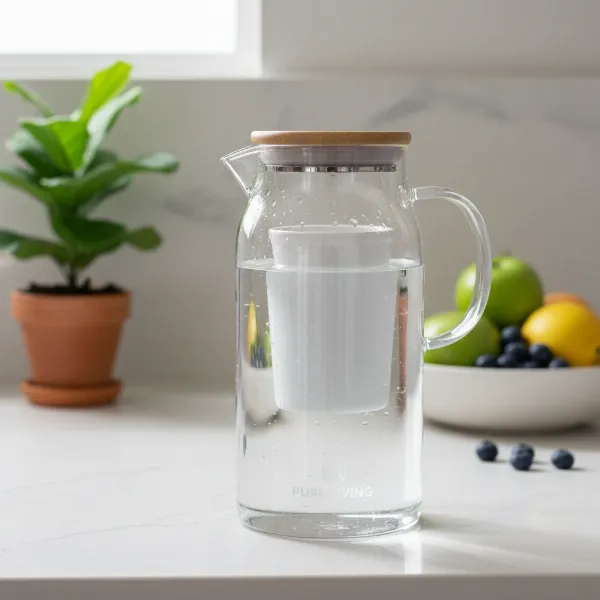 Elegant glass water filter pitcher on a modern kitchen counter, promoting pure, plastic-free hydration.
Common Contaminants Glass Water Filter Pitchers Remove
High-quality glass water filter pitchers are engineered to tackle a broad spectrum of contaminants, ensuring your water is not only safe but also tastes superior. The effectiveness varies by model, but many leading options offer comprehensive filtration.
These advanced systems typically target:
- Microplastics: These microscopic plastic particles are a growing concern for human health, and many glass pitchers are specifically designed to filter them out.
- PFAS (“Forever Chemicals”): Per- and polyfluoroalkyl substances are persistent chemicals linked to various health issues. Certified filters can significantly reduce their presence.
- Lead and Heavy Metals: Lead, mercury, chromium III, cadmium, and copper can leach into water from old pipes. Filters with ion-exchange capabilities are crucial for their removal.
- Chlorine and Chloramines: Often used in municipal water treatment, these chemicals can leave an unpleasant taste and odor. Carbon filters are highly effective at reducing them.
- Bacteria and Parasites: Some of the most advanced glass pitchers, like the LifeStraw Home, incorporate membrane microfilters capable of removing bacteria (e.g., E. coli) and parasites (e.g., Giardia, Cryptosporidium).
- Herbicides and Pesticides: Agricultural runoff can introduce these chemicals into water sources.
- Pharmaceuticals: Trace amounts of medications can sometimes be found in tap water.
- Dirt, Sand, and Cloudiness: Basic particulate filtration improves water clarity and aesthetic appeal.
Many sophisticated systems utilize a multi-stage approach, often combining an activated carbon filter for taste and chemical reduction with an ion-exchange filter for heavy metals and, in some cases, a membrane microfilter for biological contaminants. Some even retain beneficial minerals like magnesium and potassium, which contribute to the water’s natural taste and health benefits.
Types of Glass Water Filter Pitchers and Key Features to Consider
While the core function remains the same, glass water filter pitchers come with various features and technologies. Understanding these can help you select the best fit for your needs.
Filter Technology
- Activated Carbon: The most common filter type, excellent for reducing chlorine, odors, and improving taste.
- Ion Exchange: Essential for targeting heavy metals like lead and mercury, as well as some organic contaminants. Some can also adjust pH.
- Membrane Microfiltration: Found in advanced pitchers, these filters have extremely small pores (e.g., 0.2 microns) to physically block bacteria, parasites, and microplastics.
- Alkaline/Mineralizing Filters: Some filters, like those offered by Aarke, can re-introduce beneficial minerals and raise the water’s pH for an alkaline boost.
|
Our Picks for the Best Water Filter in 2026
As an Amazon Associate I earn from qualifying purchases.
|
||
| Num | Product | Action |
|---|---|---|
| 1 | FRIGIDAIRE ULTRAWF Pure Source Ultra Water Filter, Original, White, 1 Count |

|
| 2 | Brita Metro Water Filter Pitcher with SmartLight Change Indicator, BPA-Free, Replaces 1,800 Plastic Water Bottles a Year, Lasts Two Months, Includes 1 Filter, Small - 6-Cup Capacity, White |
|
| 3 | everydrop by Whirlpool Ice and Water Refrigerator Filter 1, EDR1RXD1, Single-Pack , Purple |
|
| 4 | Samsung HAF-QIN/EXP Genuine Refrigerator Water Filter, Reduces 99% of Harmful Contaminants for Clean, Clear Drinking Water, 6-Month Life, Easy Install, Pack of 1 |
|
| 5 | everydrop® by Whirlpool Refrigerator Water Filter A - EDRARXD1 (Pack of 1) |
|
| 6 | ZeroWater 32-Cup 5-Stage Water Filter Dispenser with Instant Read Out - 0 TDS for Improved Tap Water Taste - IAPMO Certified to Reduce Lead, Chromium, and PFOA/PFOS |
|
| 7 | E-3000UV Whole House Salt-Free Water Softener & Filter Combo with UV |
|
| 8 | ZeroWater 20-Cup Ready-Pour 5-Stage Water Filter Dispenser with 0 TDS Water Filter – IAPMO Certified to Reduce Lead, Chromium, and PFOA/PFOS |
|
| 9 | Brita UltraMax Large Water Dispenser With Standard Filter, BPA-Free, Reduces Copper, Cadmium and Mercury Impurities, Lasts 2 Months or 40 Gallons, Includes 1 Filter, Kitchen Accessories, Large 27-Cup |
|
| 10 | GLACIER FRESH Water Filter Compatible with XWFE (Built-in CHIP), Replacement for GE XWFE, XWF Refrigerator Water Filter NSF/ANSI 42 Certification Pack of 1 |
|
Capacity
Pitcher capacities typically range from 7 to 10 cups. Consider your household size and daily water consumption. A larger capacity means fewer refills, but also a heavier pitcher when full.
Design & Aesthetics
Most glass pitchers are crafted from durable, handblown borosilicate glass, known for its thermal shock resistance and clarity. Look for features like ergonomic handles, easy-fill lids, and a silicone base for stability and counter protection. A sleek design that fits comfortably in your refrigerator is often a priority.
Certifications
Third-party certifications are paramount. Look for pitchers that meet NSF/ANSI standards, such as:
- NSF 42: For aesthetic impurities like chlorine taste and odor.
- NSF 53: For health-related contaminants like lead and cryptosporidium.
- NSF 401: For emerging contaminants (e.g., some pharmaceuticals, pesticides).
- NSF P231: For microbiological purifiers (bacteria, viruses, cysts).
- NSF P473: Specifically for PFOA and PFOS (PFAS reduction).
These certifications provide independent verification that a filter performs as claimed.
Filter Lifespan & Cost
Filter life varies significantly. Carbon filters might last 1-2 months or 40-60 gallons, while more complex membrane filters can last 6-12 months or hundreds of gallons. Consider the long-term cost of replacement filters when evaluating a pitcher’s overall value.
Top Glass Water Filter Pitchers (Plastic-Free) of 2026
When it comes to the best glass water filter pitchers that prioritize plastic-free design and robust filtration, a few brands consistently stand out for their innovation and performance.
LifeStraw Home Glass Water Filter Pitcher
The LifeStraw Home is frequently cited as a top performer, particularly for its comprehensive filtration capabilities and elegant, handblown borosilicate glass design. It features a dual filtration system: a membrane microfilter and an activated carbon + ion exchange filter. This combination allows it to remove an impressive range of contaminants, including 99.999999% of bacteria, 99.999% of parasites, and 99.999% of microplastics. It also significantly reduces lead, mercury, PFAS, chlorine, herbicides, and pesticides, all while retaining essential healthy minerals like magnesium and potassium. The LifeStraw Home meets multiple NSF standards (53, 401, P473, P231, 42), making it a highly certified option. The membrane microfilter lasts up to a year (264 gallons), while the carbon filter requires replacement every two months (40 gallons). The pitcher itself is dishwasher safe once the filters are removed, and comes with a protective silicone base.
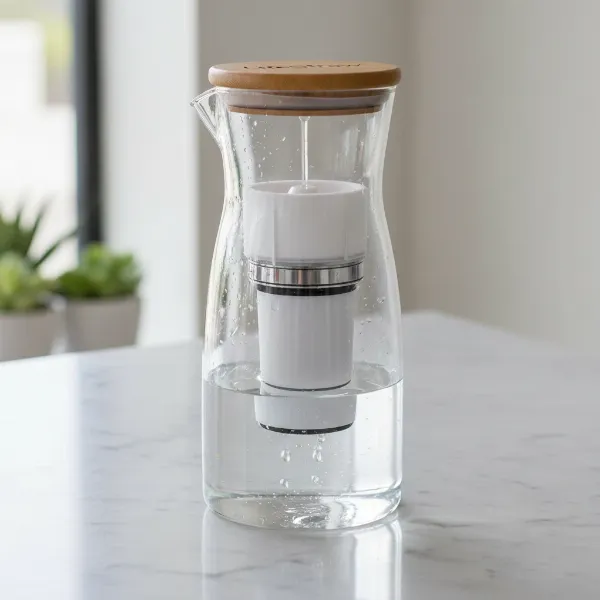 LifeStraw Home glass water filter pitcher with dual filtration system, removing contaminants for clean water.
Aarke Purifier Glass Water Filter Pitcher
The Aarke Purifier offers a sleek, minimalist design that emphasizes both form and function. This glass pitcher distinguishes itself with its unique reusable filter cartridge, made from stainless steel, which you fill with their specialized filter granules. Users have the option of “Pure granules” for contaminant removal or “Enriched granules” that not only filter but also alkalize and add minerals to the water. The Aarke Purifier is recognized for its impressive filtration speed, capable of purifying up to seven cups in under five minutes. While the pitcher body is glass, the use of a stainless steel filter casing further aligns with a plastic-free ethos for many components.
Other Notable Glass Options
- Glacier Fresh Purela Glass Water Pitcher: Offers a transparent glass design for those seeking clear visibility of their water.
- Waterdrop Glass Water Filter Pitcher: Another contender in the glass pitcher market, providing filtration solutions within a glass housing.
These options demonstrate a commitment to providing consumers with healthier, more sustainable ways to enjoy filtered water.
Guide to Buying Your Ideal Glass Water Filter Pitcher
Choosing the perfect glass water filter pitcher involves evaluating your specific needs and priorities. Here’s a step-by-step guide to help you make an informed decision:
- Assess Your Water Source and Local Water Quality: Start by understanding your tap water. Is it municipal water or well water? Check your local water quality report, which often details common contaminants in your area. This will help you identify the specific impurities your filter needs to address most effectively. If you have well water, mineral content and sediment can impact filter life more rapidly.
- Identify Your Specific Filtration Needs: Do you prioritize removal of microplastics, lead, chlorine, or even bacteria and parasites? Different filters excel at removing different contaminants. For comprehensive protection, look for pitchers with multi-stage filtration and broad NSF certifications.
- Consider Your Usage and Capacity Requirements: How many people are in your household? How much filtered water do you consume daily for drinking, cooking, or making beverages? A larger capacity pitcher (e.g., 10 cups) means fewer refills, but also more weight. A smaller pitcher (e.g., 7 cups) might be more manageable for individuals or couples.
- Evaluate Filter Lifespan and Long-Term Costs: Beyond the initial purchase price, consider the cost and frequency of filter replacements. Some filters last only a month or two, while others can last six months to a year. Calculate the annual filter cost to understand the true long-term investment.
- Look for Reputable Brands and Certifications: Stick to well-known brands with a proven track record in water filtration. Always verify third-party certifications (like NSF/ANSI) to ensure the product performs as advertised. This is a crucial indicator of trustworthiness and performance.
- Design and Ergonomics: Since the pitcher will likely be a daily-use item, consider its design. Does it fit in your refrigerator? Is it comfortable to hold and pour? Is it easy to disassemble and clean? A silicone base can add stability and protect surfaces.
By carefully considering these factors, you can confidently select a glass water filter pitcher that meets your needs for clean, healthy, and plastic-free hydration.
Using and Maintaining Your Glass Water Filter Pitcher
Proper usage and regular maintenance are key to ensuring your glass water filter pitcher continues to deliver clean, great-tasting water for years to come.
Upon receiving your new pitcher, always begin by carefully reading the manufacturer’s instructions for initial setup. This typically involves rinsing the pitcher components and priming the filter cartridge before its first use. Priming usually involves soaking the filter or running water through it to remove any carbon dust and prepare it for optimal performance.
Regular cleaning of the pitcher body and lid is essential. Most glass pitchers, especially those made from borosilicate glass, are dishwasher safe once the filter components are removed. For lids and filter housings, handwashing with warm water and mild dish soap is generally recommended. It is crucial, however, to avoid using soap or harsh detergents directly on the filter cartridge, as this can damage the filter media and compromise its effectiveness.
The most critical aspect of maintenance is timely filter replacement. Each filter type has a specific lifespan, measured either in gallons filtered or months of use. For example, a carbon filter might need replacement every two months, while a more robust membrane microfilter could last up to a year. Ignoring replacement schedules can lead to reduced filtration efficiency and a decline in water quality. Some pitchers include indicators or timers to remind you when a filter change is due, but it’s always wise to note the date of installation.
Tips for Maximizing Value and Filter Life
Getting the most out of your glass water filter pitcher involves a few smart practices that can extend filter life and optimize your investment.
One effective strategy is to pre-filter heavily contaminated water if possible. While your pitcher is designed to handle impurities, if your tap water has a high sediment load or strong chlorine smell, allowing it to settle or using a basic pre-filter (if applicable) can ease the burden on your pitcher’s main filter, potentially extending its lifespan.
Storing your filtered water in the refrigerator not only keeps it refreshingly cool but can also help preserve its quality. Cold temperatures can slightly inhibit the growth of bacteria and keep the water fresher for longer, reducing the need for constant re-filtering.
Consider purchasing replacement filters in bulk or signing up for a subscription service offered by the manufacturer. This often comes with a cost saving and ensures you always have a fresh filter on hand when it’s time for a change, preventing lapses in optimal filtration. Using authentic, manufacturer-recommended replacement filters is crucial to maintain performance and prevent potential damage to your pitcher or inadequate filtration.
Ultimately, by understanding your pitcher’s capabilities and adhering to a simple maintenance routine, you ensure a continuous supply of clean, pure-tasting water.
“Switching to a glass water filter pitcher isn’t just a trend; it’s a mindful upgrade for your health and the environment, ensuring every sip is free from unwanted plastics and impurities.” – [Your Name/Role as Admin of waterfiltertogo.com], Water Filtration Specialist
Conclusion
Embracing a glass water filter pitcher is a definitive step towards a healthier, more sustainable lifestyle. By prioritizing plastic-free hydration, you not only safeguard your family from potential microplastic exposure and chemical leaching but also contribute to a greener planet. The market now offers exceptional glass options, such as the LifeStraw Home and Aarke Purifier, that combine elegant design with cutting-edge filtration technology, tackling everything from microplastics and PFAS to lead and bacteria.
When making your choice, remember to consider your specific water quality, desired contaminant removal, and filter longevity. With proper maintenance and timely filter replacements, your glass Water Filter pitcher will consistently deliver pure, crisp-tasting water for years. Isn’t it time to elevate your daily hydration experience with the clarity and purity that only a glass, plastic-free solution can offer?
Frequently Asked Questions
Are glass water filter pitchers truly 100% plastic-free?
While the pitcher body itself is made of glass, the internal filter cartridges often contain some plastic components necessary for their structure and filtration media. However, these plastics are typically food-grade, BPA-free, and designed not to leach chemicals. The primary benefit of a glass pitcher is eliminating direct contact between your filtered water and a large plastic vessel.
Do glass water filter pitchers remove fluoride?
Most standard activated carbon filters found in pitchers are not highly effective at removing fluoride. Some specialized filters, often using activated alumina or bone char, can reduce fluoride, but this is not a universal feature. Always check the specific product’s filtration claims and certifications if fluoride removal is a priority for you.
How often should I change the filters in my glass water pitcher?
Filter replacement frequency depends on the specific filter type, your water quality, and your usage. Generally, carbon filters are replaced every 1-2 months or 40-60 gallons, while more advanced membrane or ion-exchange filters may last 6 months to a year, or for several hundred gallons. Always follow the manufacturer’s recommendations.
Is glass more fragile than plastic for a water pitcher?
Yes, glass is inherently more fragile than plastic and can break if dropped. However, many high-quality glass pitchers are made from durable borosilicate glass, which is more resistant to thermal shock and impacts than standard glass. They often come with protective silicone bases to enhance durability in daily use.