It’s a common shortcut many of us take: needing hot water for a quick cup of tea, a bowl of ramen, or even to speed up a pot of boiling pasta, we instinctively turn on the hot tap. It seems efficient, a simple way to save a few precious minutes. But what if this seemingly harmless habit carried a hidden health risk that could impact you and your family? The truth is, that seemingly convenient stream of hot tap water could be harboring unwelcome contaminants that pose serious health concerns. Understanding why hot tap water is unsuitable for consumption is crucial for ensuring the safety of your home’s water supply.
The Hidden Dangers: Why Hot Tap Water Is a Health Risk
Many people mistakenly believe that all water from their faucet, regardless of temperature, is equally safe for drinking and cooking. However, there’s a fundamental difference in how hot and cold water travel through your home’s plumbing system, which directly affects its quality and safety. Cold water typically comes directly from your municipal supply or well, passing through your pipes without extended storage or heating. Hot water, on the other hand, makes a crucial stop in your water heater, where it undergoes changes that can compromise its purity. This process introduces several potential hazards, from dissolving harmful metals to fostering bacterial growth.
Chemical Contamination: The Lead and Metal Threat
One of the most significant reasons to avoid drinking hot tap water is the increased risk of chemical contamination, particularly from heavy metals.
- Lead Leaching: Hot water is a more aggressive solvent than cold water. When water is heated and sits in your home’s plumbing, it accelerates the leaching of lead from older pipes, brass fittings, and lead solder joints. Even homes with “lead-free” plumbing installed before 2014 can contain a small percentage of lead. Lead exposure, even at low levels, is linked to serious neurological damage, especially in children and pregnant women, affecting development and cognitive function. This is why agencies like the EPA and CDC strongly advise against using hot tap water for drinking, cooking, or preparing baby formula.
- Other Heavy Metals: Beyond lead, hot water can also leach other undesirable metals. Cadmium, a toxic metal, can come from galvanized pipes and is associated with kidney dysfunction and bone demineralization. Iron and manganese, while not always directly harmful in small amounts, can affect the taste and odor of water, cause staining, and provide an environment for bacterial growth within pipes. Zinc, often found in galvanized pipes, is also more soluble in hot water.
- Volatile Organic Compounds (VOCs): Certain plumbing components, especially plasticizers or sealants, can contain Volatile Organic Compounds. When exposed to heat, these chemicals can be released into the water, potentially carrying long-term health risks depending on their type and concentration.
|
Our Picks for the Best Water Filter in 2026
As an Amazon Associate I earn from qualifying purchases.
|
||
| Num | Product | Action |
|---|---|---|
| 1 | everydrop by Whirlpool Ice and Water Refrigerator Filter 1, EDR1RXD1, Single-Pack , Purple |

|
| 2 | Brita Metro Water Filter Pitcher with SmartLight Change Indicator, BPA-Free, Replaces 1,800 Plastic Water Bottles a Year, Lasts Two Months, Includes 1 Filter, Small - 6-Cup Capacity, White |
|
| 3 | E-3000UV Whole House Salt-Free Water Softener & Filter Combo with UV |
|
| 4 | Samsung HAF-QIN/EXP Genuine Refrigerator Water Filter, Reduces 99% of Harmful Contaminants for Clean, Clear Drinking Water, 6-Month Life, Easy Install, Pack of 1 |
|
| 5 | everydrop® by Whirlpool Refrigerator Water Filter A - EDRARXD1 (Pack of 1) |
|
| 6 | GLACIER FRESH Water Filter Compatible with XWFE (Built-in CHIP), Replacement for GE XWFE, XWF Refrigerator Water Filter NSF/ANSI 42 Certification Pack of 1 |
|
| 7 | ZeroWater 32-Cup 5-Stage Water Filter Dispenser with Instant Read Out - 0 TDS for Improved Tap Water Taste - IAPMO Certified to Reduce Lead, Chromium, and PFOA/PFOS |
|
| 8 | ZeroWater 20-Cup Ready-Pour 5-Stage Water Filter Dispenser with 0 TDS Water Filter – IAPMO Certified to Reduce Lead, Chromium, and PFOA/PFOS |
|
| 9 | FRIGIDAIRE ULTRAWF Pure Source Ultra Water Filter, Original, White, 1 Count |
|
| 10 | Brita UltraMax Large Water Dispenser With Standard Filter, BPA-Free, Reduces Copper, Cadmium and Mercury Impurities, Lasts 2 Months or 40 Gallons, Includes 1 Filter, Kitchen Accessories, Large 27-Cup |
|
Bacterial Growth: A Hotbed for Microbes
Your water heater, designed to keep water warm, can unfortunately become an ideal breeding ground for various microorganisms if not properly maintained.
- Water Heaters as Incubators: The warm, stagnant environment inside a hot water tank can be a perfect incubator for bacteria. If the water sits for extended periods, or if the water heater’s temperature is set too low (often done to save energy or prevent scalding), bacteria can multiply rapidly.
- Specific Bacteria: While municipal water treatment aims to eliminate most pathogens, the journey through your home’s plumbing, especially the hot water system, can reintroduce them. Bacteria like Legionella, though primarily a concern for inhalation through aerosols (like in showers), can thrive in warm water systems. Consuming water from these systems increases exposure to various microbes.
- Boiling vs. Contaminants: It’s important to differentiate between killing bacteria and removing chemical contaminants. While bringing water to a rolling boil for one minute can kill most harmful bacteria and viruses, it does not remove heavy metals like lead. In fact, boiling water contaminated with lead can concentrate the lead due to evaporation, making the water even more dangerous.
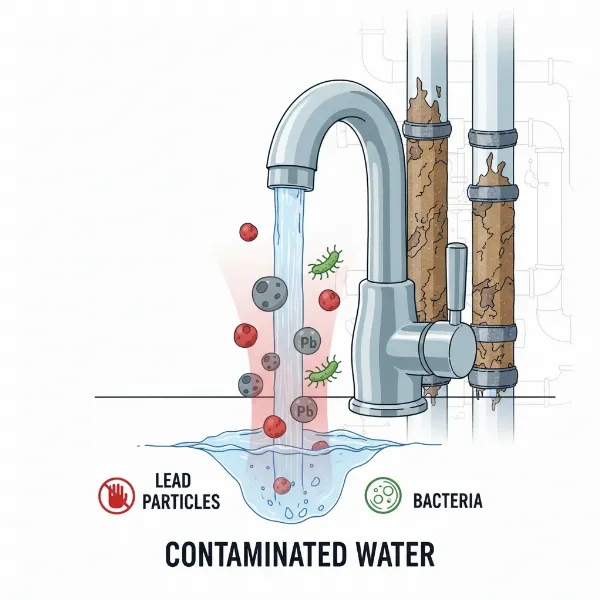 Understanding the hidden dangers of hot tap water for consumption, including lead and bacteria
Protecting Your Family: Safe Water Practices
Given the potential risks, adopting safer water habits in your home is a straightforward yet impactful way to protect your health. The good news is that these practices are simple to implement and require only a small shift in your daily routine.
- Always Start Cold: The golden rule for safe water consumption is to always use cold tap water for drinking, cooking, and preparing baby formula. Cold water has not had the opportunity to sit in the hot water heater or leach as many contaminants from your plumbing.
- Flushing Taps: Before drawing water for consumption, let the cold water run for 30 seconds to 2 minutes, especially if the tap hasn’t been used for several hours. This flushes out any stagnant water that may have been sitting in the pipes and could have picked up impurities. You’ll know it’s truly cold when the temperature consistently drops.
- Heating Cold Water: If you need hot water for cooking or beverages, always draw cold water from the tap and then heat it using a kettle, pot on the stove, or microwave. This ensures you’re starting with the safest possible water before applying heat.
- Water Heater Maintenance: Consider having your water heater professionally checked periodically. Ensure the temperature setting is adequate (typically above 120°F or 49°C) to inhibit bacterial growth, though always balance this with scalding prevention, especially if you have young children or elderly individuals in the home.
> “The temperature of your tap water might seem insignificant, but its journey through your home’s plumbing systems can introduce unseen hazards. Prioritizing cold water for consumption is a simple, effective safeguard for your family’s health.” – Dr. Eleanor Vance, Environmental Health Specialist
The Verdict: Prioritizing Your Health
The convenience of hot tap water can be tempting, but the scientific evidence is clear: it carries significant risks of chemical and biological contamination that cold water does not. From accelerating lead leaching to fostering bacterial growth in your water heater, the journey hot water takes through your plumbing can compromise its safety. Making the simple switch to using only cold tap water for all drinking and cooking needs is a fundamental step toward safeguarding your family’s health and ensuring the purity of the water you consume daily. This small habit change can make a monumental difference in reducing exposure to harmful substances.
Your home’s water is fundamental to your well-being. By understanding the distinctions between hot and cold tap water and adopting safer practices, you take an active role in protecting your family from hidden dangers. What changes will you make today to ensure your water is as pure as it can be?
Frequently Asked Questions
Is it safe to cook with hot tap water?
No, it is not safe to cook with hot tap water. Hot water can leach more lead and other heavy metals from your plumbing system than cold water. Always start with cold water and heat it on the stove or in a kettle for cooking purposes to avoid introducing contaminants into your food.
Does boiling hot tap water make it safe?
Boiling hot tap water can kill most bacteria and viruses, but it does not remove chemical contaminants like lead. In fact, boiling can concentrate heavy metals as some water evaporates, potentially making the lead more harmful. Therefore, always boil cold tap water if you need it hot.
What about brand new plumbing, is hot water still unsafe?
Even homes with brand new plumbing can pose a risk. While new pipes generally contain less lead, many fittings and solder points may still contain small amounts. Hot water’s corrosive nature means it will still leach these contaminants more effectively than cold water, making it best to avoid drinking hot water from any tap.
How can I minimize lead exposure from my tap water?
To minimize lead exposure, always use cold tap water for drinking, cooking, and making baby formula. Let the water run for a minute or two before consuming it, especially first thing in the morning or after the water has been sitting in the pipes for a while. Consider testing your water if you have concerns about lead.