Let’s talk about the water in your home. You drink it, you cook with it, you bathe in it. But have you ever stopped to wonder what’s really coming out of your tap? Finding the Best Whole House Water Filter isn’t just about improving the taste of your water; it’s about taking control of the health and safety of your entire home. Are you certain the water flowing through your pipes is as pure as it could be? The answer might surprise you, and that’s exactly what we’re here to figure out together.
Why Your Tap Water Might Not Be as Clean as You Think
You turn on the faucet, and clear water comes out. Looks fine, right? Well, not so fast. While the United States has some of the safest drinking water in the world, “safe” according to municipal standards doesn’t always mean “optimal” for your family’s health. Your local treatment plant does a great job of disinfecting water, but plenty can happen on its journey to your home.
Common culprits that can be lurking in your tap water include:
- Chlorine: This is the most common disinfectant used by water treatment facilities. While it kills harmful bacteria, it leaves behind a distinct chemical taste and smell. It can also dry out your skin and hair.
- Sediment: Tiny particles of rust, sand, and dirt can be picked up from aging pipes. This can make your water cloudy and damage your appliances over time.
- Heavy Metals: Lead and mercury can leach into the water supply from old plumbing. The U.S. Environmental Protection Agency (EPA) states that there is no safe level of lead exposure.
- Volatile Organic Compounds (VOCs): These are industrial and chemical contaminants that can find their way into groundwater sources.
- Hard Minerals: Calcium and magnesium are the primary causes of “hard water.” They aren’t necessarily harmful to drink, but they cause limescale buildup that can wreak havoc on your pipes, water heater, dishwasher, and even your coffee maker.
Think of it this way: your city’s water treatment is like a general security check at the airport. A whole house water filter is like having your own personal, dedicated security detail for every drop of water that enters your home.
What Exactly Is a Whole House Water Filter?
A whole house water filter, also known as a point-of-entry (POE) system, is a filtration unit installed where your main water line enters your home. Unlike a pitcher filter that just cleans the water you’re about to drink, this system acts as a gatekeeper, ensuring that all the water in your house—from your kitchen sink to your shower to your washing machine—is filtered.
This means you get purified water for drinking, cooking with cleaner water that makes your food taste better, showering without that harsh chlorine smell, and even extending the life of your water-using appliances. It’s a comprehensive solution for total home water purification.
The Different Flavors: Types of Whole House Filtration Systems
Not all filters are created equal. The best whole house water filter for you depends entirely on what’s in your water. Here’s a breakdown of the most common technologies.
Sediment Filters
Think of these as the bouncers at the club. Their one job is to stop the big stuff—dirt, sand, rust, and other particles—from getting in. They are almost always the first stage in any multi-stage filtration system and are crucial for protecting the more delicate filters down the line.
Carbon Filters (GAC & Carbon Block)
This is the workhorse of water filtration. Activated carbon is a superstar at adsorbing—or grabbing onto—chemicals. It’s fantastic for removing:
- Chlorine taste and odor
- VOCs
- Pesticides and herbicides
There are two main types: Granular Activated Carbon (GAC) and Carbon Block. Carbon block filters are more compressed and generally more effective at removing smaller contaminants due to their larger surface area.
Bảng trống.Water Softeners (Ion Exchange)
If you have hard water (and a lot of us do), you know the struggle: soap that won’t lather, spotty dishes, and stubborn scale buildup. A water softener specifically targets hard minerals like calcium and magnesium through a process called ion exchange, swapping them for sodium ions. The result? Softer skin, shinier hair, cleaner dishes, and happier appliances.
UV Purifiers
This is where filtration gets high-tech. A UV purifier uses ultraviolet light to scramble the DNA of microorganisms. It’s not a filter in the traditional sense, as it doesn’t remove anything. Instead, it’s a sterilizer that zaps and neutralizes 99.9% of bacteria, viruses, and cysts. This is an essential add-on if you’re using well water or are concerned about biological contaminants.
“Many of the most concerning contaminants, like PFAS and certain pharmaceuticals, are completely invisible and odorless. Comprehensive, multi-stage filtration is no longer a luxury; it’s a fundamental part of creating a healthy home environment.”
— Dr. Eleanor Vance, Environmental Health Scientist
How to Choose the Best Whole House Water Filter for You
Feeling a little overwhelmed by the options? Don’t worry. Choosing the right system is a logical process. Here’s a step-by-step guide to finding your perfect match.
- Know Thy Water: Get It Tested!
This is the most critical first step. You can’t fight an enemy you don’t know. You can get an affordable home test kit or, for a more comprehensive analysis, send a sample to a state-certified lab. Your local water utility is also required to provide you with an annual Water Quality Report (sometimes called a Consumer Confidence Report). Don’t guess, test! - Identify Your Main Contaminants.
Once you have your water report, you can match the problem to the solution.- Chlorine smell? A carbon filter is your best friend.
- Hard water scale? You need a water softener.
- Cloudy or gritty water? Start with a good sediment filter.
- Well water with bacteria risk? A UV purifier is a must-have.
Most of the best whole house water filter systems are multi-stage, combining several of these technologies for broad-spectrum protection.
- Consider Your Home’s Flow Rate.
Flow rate is measured in gallons per minute (GPM). If you get a system with too low a GPM, you’ll notice a drop in water pressure when you run the shower and the dishwasher at the same time. To estimate your need, count the number of major water-using fixtures in your home and add up their typical GPM (e.g., shower = 2.5 GPM, toilet = 2 GPM, faucet = 1.5 GPM). A typical family of four usually needs a system with a 10-15 GPM flow rate. - Factor in Filter Lifespan and Maintenance Costs.
This is about the total cost of ownership. Some filters need to be changed every 3-6 months, while high-capacity tanks can last for 5-10 years. Consider both the cost of replacement filters and how easy they are to change. Investing a bit more upfront for a longer-lasting system can save you time and money down the road. - Look for NSF/ANSI Certifications.
This is non-negotiable. The National Sanitation Foundation (NSF) is an independent organization that tests and certifies water filters to ensure they do what they claim. Look for key certifications like:- NSF/ANSI 42: Reduces aesthetic impurities like chlorine taste and odor.
- NSF/ANSI 53: Reduces contaminants with known health effects, like lead and cysts.
- NSF/ANSI 401: Reduces emerging contaminants like pharmaceuticals and pesticides.
Frequently Asked Questions
How much does a whole house water filter cost?
The cost varies widely based on the type and complexity of the system. Basic sediment and carbon systems can start around a few hundred dollars, while comprehensive, multi-stage systems with softeners and UV purifiers can range from $1,000 to $4,000 or more, plus installation.
Will a whole house water filter reduce my water pressure?
A properly sized and installed system should have a negligible impact on your water pressure. significant drops in pressure usually occur if the filter is too small for your home’s demand (low GPM) or if the filter cartridge is clogged and needs to be replaced.
Can I install a whole house water filter myself?
If you’re comfortable with basic plumbing, you might be able to install a simpler system yourself. However, for most systems, especially those that require cutting into your main water line, we strongly recommend hiring a licensed plumber to ensure it’s done correctly and to code.
How often do I need to change the filters?
This depends entirely on the system. Pre-sediment filters might need changing every 3-9 months. Carbon block filters can last from 6 months to over a year. The main media tanks in high-end systems can last for 5, 7, or even 10 years before needing replacement.
Is a whole house filter better than an under-sink reverse osmosis system?
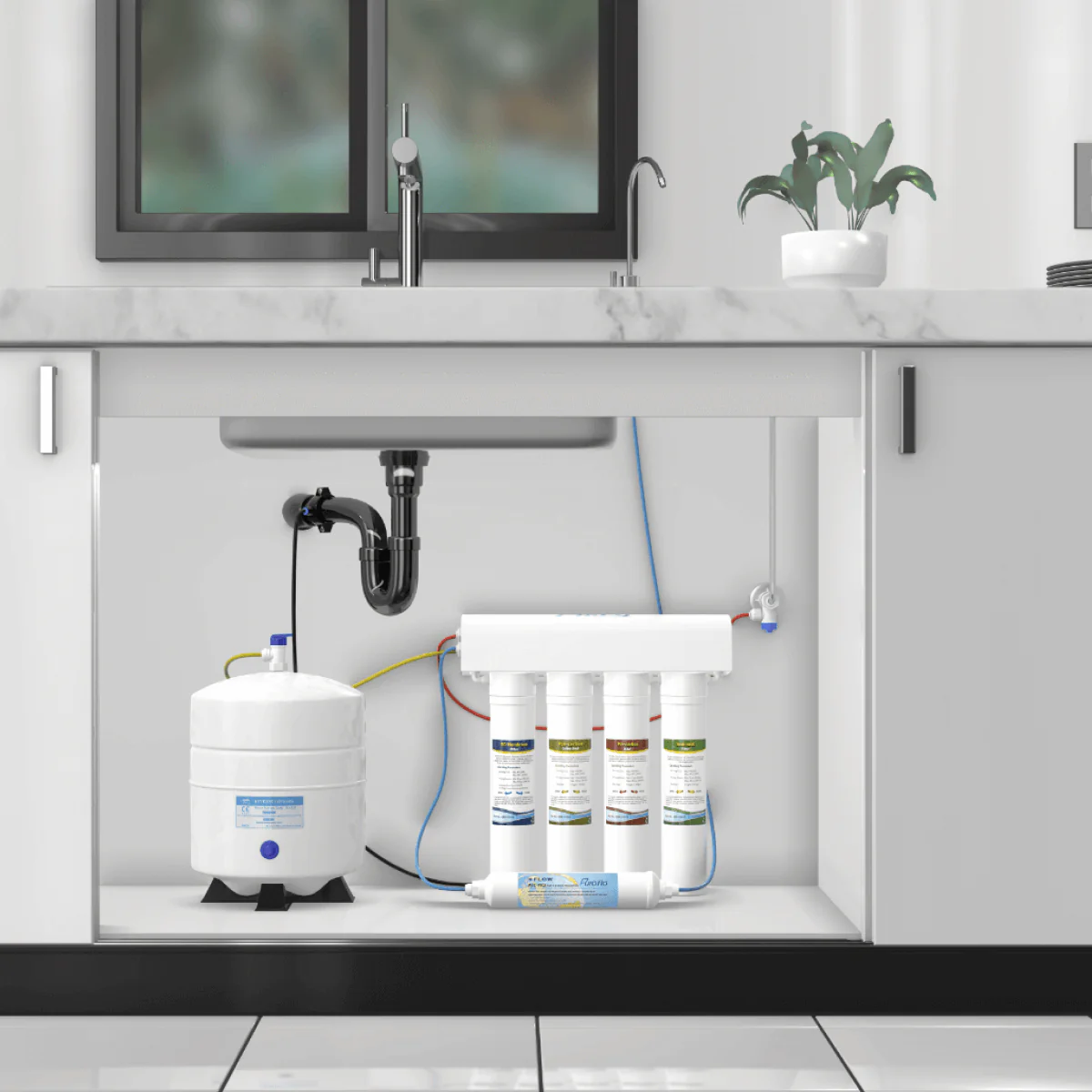
They serve different purposes. A whole house filter treats all water for general purity, protecting appliances and your body. A Reverse Osmosis (RO) system is a point-of-use filter that provides the highest level of purification for drinking and cooking water but doesn’t protect your shower or washing machine. Many people use both for the ultimate protection.
Your Investment in a Healthier Home
Choosing to filter the water in your home is one of the most proactive and powerful decisions you can make for your family’s well-being. It’s about more than just quenching your thirst; it’s about providing a healthier environment, protecting your investments, and gaining invaluable peace of mind. By understanding your water and your needs, you are fully equipped to select the best whole house water filter that will serve your family for years to come. Your journey to cleaner, safer, and better-tasting water starts now.