Grabbing a cool, crisp glass of water straight from your refrigerator dispenser is one of those simple daily conveniences. It feels clean, it tastes great, and it seems like the healthiest choice. But have you ever paused, glass in hand, and wondered what’s really been filtered out? With news about water quality concerns, a critical question often comes up: Do Refrigerator Filters Remove Lead? It’s a concern that hits close to home, because the safety of our drinking water is non-negotiable.
Did you know that many standard water filters are designed primarily to improve taste and smell, not necessarily to tackle heavy metals? That’s a sobering thought. So, let’s dive deep into this topic. We’ll unpack the technology behind that little filter in your fridge and give you the clear, straightforward answers you need to protect your family’s health.
The Straight Answer: It Depends Entirely on the Filter
Let’s cut to the chase. The simple, and slightly frustrating, answer is: sometimes. Whether your refrigerator filter can remove lead isn’t a given. It completely depends on the specific model of the filter and, most importantly, its certifications.
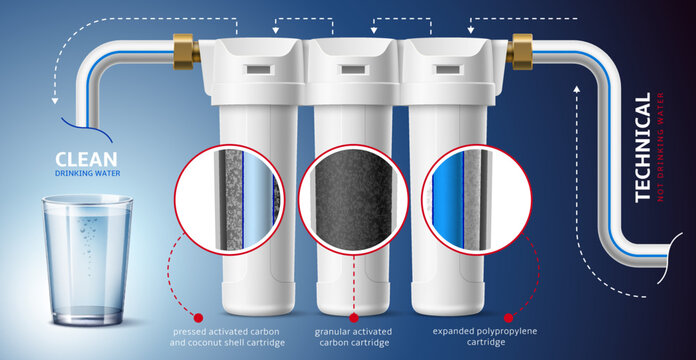
Think of it this way: you wouldn’t use a simple dust cloth to clean up a chemical spill, right? Both are cleaning tools, but they’re designed for vastly different jobs. It’s the same with water filters. Most standard refrigerator filters use a block of activated carbon. Imagine this carbon block is like a highly porous sponge with an incredible amount of surface area. As water passes through, this “sponge” is fantastic at grabbing onto contaminants that cause bad tastes and odors, like chlorine.
However, capturing tiny, dissolved heavy metal particles like lead requires a much more advanced and specifically designed filtration medium. While some high-end activated carbon filters can reduce lead, not all of them are up to the task.
The Gold Standard: Look for NSF/ANSI 53 Certification
So, how can you know for sure if your filter is pulling its weight against lead? The answer lies in a crucial certification from a third-party organization called the NSF (National Sanitation Foundation).
When you’re shopping for a filter, you’ll see different NSF/ANSI certifications. Here are the two most common ones you need to know:
- NSF/ANSI 42: This is the certification for Aesthetic Effects. A filter with this label is certified to reduce things you can taste, see, or smell, like chlorine and particulates. This is the baseline for most standard refrigerator filters.
- NSF/ANSI 53: This is the big one. It’s the certification for Health Effects. A filter that is NSF/ANSI 53 certified has been rigorously tested and proven to reduce specific health-related contaminants, which can include lead, cysts (like Giardia and Cryptosporidium), asbestos, and certain pesticides.
To be confident that your refrigerator filter removes lead, it must be certified to NSF/ANSI 53 for lead reduction.
If your filter only lists NSF/ANSI 42, you should assume it does not effectively remove lead, even if it makes your water taste fantastic.
So, Do Refrigerator Filters Remove Lead Effectively? How to Check Yours
Alright, time for a little detective work. It’s easier than you think. Here’s how you can find out if the filter currently in your fridge is certified to protect you from lead.
- Check the Packaging: If you still have the box the filter came in, look for the official NSF seal. The packaging should explicitly state that it is certified under “NSF/ANSI 53” and often lists “Lead Reduction” as one of its capabilities.
- Examine the Filter Itself: The label on the filter cartridge itself often has the certification information printed directly on it. You may need to pull the filter out to get a good look.
- Search Online: The quickest way is to search for your refrigerator model number followed by “water filter replacement.” When you find the filter, look at the product specifications or description. Reputable manufacturers will proudly display their NSF certifications.
- Visit the NSF Database: For ultimate peace of mind, you can search the official NSF Certified Products database online. You can search by brand name or product model to see exactly what it’s certified to reduce.
If you go through these steps and can’t find any mention of NSF/ANSI 53 or lead reduction, it’s safest to assume your filter isn’t providing that protection.
Why Lead in Drinking Water is a Serious Concern
It’s easy to think of lead contamination as a problem of the past, linked to old paint and ancient plumbing. Unfortunately, it’s still a modern-day risk. Lead is a potent neurotoxin, and according to the U.S. Environmental Protection Agency (EPA), there is no safe level of lead exposure.
“Even low levels of lead in the blood of children can result in behavior and learning problems, lower IQ, and slowed growth,” explains Dr. Eleanor Vance, an environmental health scientist. “The primary source of this exposure in many communities is aging water infrastructure—lead service lines and plumbing that connect homes to the main water supply.”
Lead is tasteless, colorless, and odorless, making it an invisible threat. It can leach into tap water from older pipes, solder, and fixtures. This is why having a certified final barrier of protection right at your tap or in your fridge is such a powerful tool for your family’s health.
Bảng trống.My Fridge Filter Isn’t Certified for Lead. Now What?
Don’t panic! Discovering your current filter isn’t up to the task is the first step toward a better solution. You have several excellent options to ensure your water is safe.
Here’s a quick comparison of popular water filtration systems:
| Filter Type | Typical Lead Removal | Upfront Cost | Long-Term Cost | Convenience |
|---|---|---|---|---|
| Refrigerator Filter | Varies (Check for NSF 53) | Low-Medium | Medium (replace every 6 mos) | Very High |
| Water Filter Pitcher | Varies (Check for NSF 53) | Low | High (replace every 2 mos) | Medium |
| Under-Sink Filter | High to Very High | Medium-High | Low | Very High |
| Reverse Osmosis (RO) | Very High (95%+) | High | Medium | High |
Upgrading Your Water Purification Game
If you’re serious about removing lead and other contaminants, an under-sink filter or a reverse osmosis (RO) system is often considered the most reliable choice.
- Under-Sink Filters: These systems are installed out of sight and connect directly to your cold water line, delivering filtered water through a dedicated faucet. Many are certified to remove a wide range of contaminants, including lead, pesticides, and pharmaceuticals, without taking up counter space. For a deeper dive, check out our guide to the best under-sink water filters.
- Reverse Osmosis (RO) Systems: This is the powerhouse of water purification. RO systems use a semi-permeable membrane to remove up to 99% of all dissolved solids, including lead, arsenic, fluoride, and much more. If you want the purest water possible, an RO system is the way to go.
Frequently Asked Questions (FAQ)
1. How often should I change my refrigerator water filter?
You should change your refrigerator filter every six months, or as recommended by the manufacturer. Over time, the filter can become clogged with contaminants, reducing its effectiveness and potentially allowing bacteria to grow.
2. Can boiling water remove lead?
No, boiling water does not remove lead. In fact, as some of the water evaporates during boiling, the concentration of lead can actually increase. Boiling is only effective for killing biological contaminants like bacteria and viruses.
3. How do I know if I have lead in my tap water?
The only way to know for sure is to have your water tested. You can contact your local water utility, as many offer free or low-cost testing services. You can also purchase a home water test kit or send a sample to a state-certified laboratory.
4. What is the difference between NSF 42 and NSF 53 again?
Think of it as Taste vs. Health. NSF 42 certifies that a filter improves the taste and smell of water (aesthetic effects). NSF 53 certifies that a filter reduces specific health-related contaminants like lead, mercury, or cysts (health effects).
5. Are more expensive refrigerator filters better at removing lead?
Not necessarily. Price is not always an indicator of performance. The most important factor is the NSF/ANSI 53 certification for lead reduction. A less expensive, certified filter is far better for lead removal than a pricey one without the proper certification.
Your Health is Worth the Extra Step
So, let’s circle back to our original question: do refrigerator filters remove lead? The answer is a resounding only if they are certified to do so.
The convenience of a refrigerator water dispenser is wonderful, but that convenience should never come at the cost of your health. Taking a few minutes to check your filter’s certification is one of the smartest and simplest things you can do for your family’s well-being. If it’s not certified for lead reduction under NSF/ANSI 53, it’s time to upgrade—either to a certified refrigerator filter or a more robust system like an under-sink or RO filter. Investing in a proper water filter isn’t just an expense; it’s a direct investment in the long-term health and safety of your loved ones.