Let’s talk about the water from your tap. You turn it on every day to drink, cook, and wash, probably without a second thought. But have you ever stopped and wondered what’s really in that glass of water? The journey to finding the Best Water Filter 2025 often starts with that simple, nagging question. While the U.S. has some of the safest drinking water in the world, “safe” doesn’t always mean “optimal.” Aging infrastructure and emerging contaminants mean that what comes out of your faucet might be carrying uninvited guests. This guide is here to cut through the noise, demystify the science, and empower you to choose the perfect water filter for your home and family.
Why Bother Filtering Tap Water? Isn’t It Safe?
That’s the million-dollar question, isn’t it? Municipal water treatment facilities do a fantastic job of killing harmful bacteria and viruses, a process often involving chlorine. But that’s just the beginning of the story.
Think of it like a long road trip. The water leaves the treatment plant clean, but it has a long journey through miles of pipes to get to your home. Some of these pipes can be decades old. Along the way, it can pick up things you’d rather not drink.
Here are a few of the usual suspects:
- Chlorine: While essential for disinfection, it can leave your water with a swimming pool taste and smell. It can also react with organic matter to form disinfection byproducts (DBPs), some of which are linked to health concerns.
- Lead and Heavy Metals: These often leach from old pipes and solder, especially in homes built before the 1980s. The EPA has a zero-tolerance policy for lead in drinking water because no amount is considered safe.
- Pesticides and Herbicides: Runoff from agricultural areas can find its way into water sources, bringing these chemicals along with it.
- “Forever Chemicals” (PFAS): Per- and polyfluoroalkyl substances are a group of man-made chemicals that don’t break down easily. They’re becoming a significant concern in water supplies across the country.
- Sediment and Rust: Tiny particles of dirt, sand, and rust can make your water cloudy and affect its taste.
Choosing the best water filter 2025 is about taking that final, crucial step to ensure the water you’re consuming is as clean and pure as possible. It’s about peace of mind.
Cracking the Code: How Do Water Filters Actually Work?
Water filtration can sound like something out of a chemistry lab, but the basic principles are surprisingly simple. Let’s break down the most common technologies without needing a science degree.
Activated Carbon: The Popular Workhorse
This is the most common type of filtration you’ll find, from basic pitchers to high-end undersink systems.
- How it Works: Think of activated carbon as a highly porous sponge or a magnet for contaminants. Its massive surface area is covered in nooks and crannies that trap chemical impurities like chlorine, VOCs (volatile organic compounds), pesticides, and things that cause bad tastes and odors. It’s fantastic for making your water taste and smell great.
Reverse Osmosis (RO): The Ultimate Purifier
If you want the purest water possible, Reverse Osmosis is the gold standard.
- How it Works: Imagine a bouncer at an exclusive club with an extremely strict guest list. An RO membrane is like that bouncer for water molecules. It uses your home’s water pressure to force water through a semipermeable membrane with microscopic pores. These pores are so tiny that only water molecules can get through, leaving almost everything else behind—we’re talking heavy metals, salts, fluoride, dissolved solids, and more.
UV Purification: The Germ Killer
This technology doesn’t remove contaminants; it neutralizes them.
- How it Works: A UV purifier is like a tiny, powerful sunbeam for your water. It exposes water to ultraviolet light, which scrambles the DNA of bacteria, viruses, and other microorganisms, rendering them harmless and unable to reproduce. It’s an excellent final line of defense, especially for those on well water.
“We’re seeing a rise in concern over emerging contaminants like microplastics and PFAS. While municipal systems are adapting, an NSF-certified home water filter is no longer a luxury—it’s a proactive and necessary tool for safeguarding your family’s health.”
— Dr. Eleanor Vance, Environmental Health Scientist
Finding Your Perfect Match: Which is the Best Water Filter 2025 for You?
The “best” filter is entirely dependent on your needs, budget, and living situation. Let’s explore the most popular options.
| Filter Type | Best For | Pros | Cons |
|---|---|---|---|
| Water Filter Pitchers | Renters, small households, trying filtration for the first time. | Inexpensive, no installation, portable. | Small capacity, slow filtering, frequent filter changes. |
| Faucet-Mounted Filters | Convenience, renters who want on-demand filtered water. | Easy to install, can switch between filtered and unfiltered. | Can slow water flow, may not fit all faucet types. |
| Undersink Filters | Homeowners, families, those wanting serious filtration power. | High capacity, out of sight, long-lasting filters, often multi-stage. | More expensive, requires installation and under-sink space. |
| Whole House Systems | Homeowners who want comprehensive protection for every tap. | Filters all water entering the home (showers, laundry, etc.). | Highest initial cost, typically requires professional installation. |
Water Filter Pitchers: The Simple Starter
These are the entry point for most people. You fill the reservoir, and gravity does the work, pulling water through a carbon filter into the pitcher below. Perfect for improving the taste of your tap water for drinking and coffee.
Faucet-Mounted Filters: Convenience on Tap
These little devices screw directly onto your faucet. A small lever allows you to switch between a filtered stream for drinking and an unfiltered stream for washing dishes. Great for those who want filtered water on demand without any plumbing work.
Undersink Filters: The Hidden Powerhouse
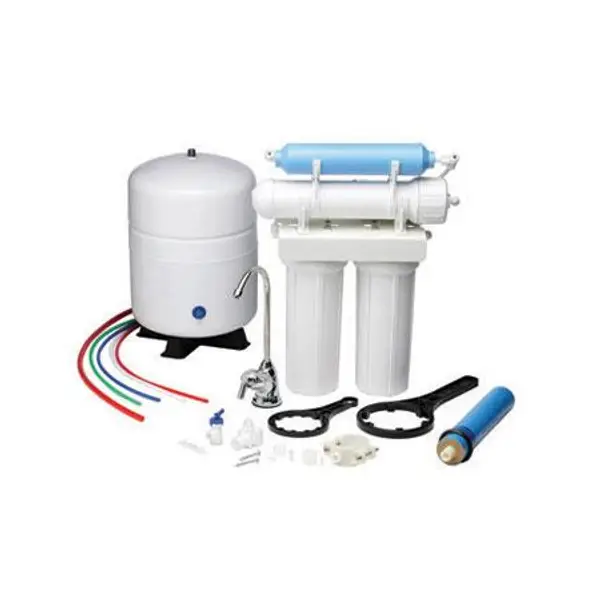
These are a serious step up. Installed under your kitchen sink, they connect directly to your cold water line and dispense filtered water through a dedicated faucet. They often combine multiple technologies, like activated carbon and reverse osmosis, to provide comprehensive water purification.
Whole House Systems: The “Set It and Forget It” Solution
This is the ultimate solution. Installed where the main water line enters your home, these systems ensure that every drop of water—from your kitchen sink to your shower to your washing machine—is filtered. They protect not only your health but also your plumbing and appliances from sediment and scale buildup.
Your 5-Step Guide to Choosing the Best Water Filter 2025
Feeling overwhelmed? Don’t be. Follow these simple steps to find your perfect match.
- Know What’s in Your Water. You can’t fix a problem you don’t understand. Get a copy of your local water quality report from your utility provider or use an at-home water test kit to get a baseline. This tells you which specific contaminants you should target.
- Identify Your Main Goal. Are you just trying to get rid of the chlorine taste? Or are you concerned about lead, fluoride, or PFAS? Your goal will determine the type of filtration technology you need.
- Consider Your Lifestyle and Budget. How much water does your family use? Are you a homeowner or a renter? Your answers will help you decide between a simple pitcher and a more permanent undersink or whole-house system. Remember to factor in the long-term cost of replacement filters.
- Look for the Magic Letters: NSF. Always choose a filter that is independently certified by the NSF (National Sanitation Foundation) or ANSI (American National Standards Institute). These certifications are your guarantee that the filter does what it claims to do. For example, NSF/ANSI 53 certifies that a filter reduces health-related contaminants, while NSF/ANSI 42 covers aesthetic issues like taste and odor.
- Read Real-World Reviews. See what other users are saying about ease of installation, filter lifespan, and customer service. This will give you a clear picture of what to expect.
How Often Should I Change My Water Filter?
You should change your water filter according to the manufacturer’s recommendations, which typically depends on time or usage. A general guideline is every 2-3 months for pitchers, 3-4 months for faucet filters, 6-12 months for undersink filters, and 1-5 years for whole-house systems, but always check the product manual.
Neglecting to change your filter is a common mistake. An old, clogged filter not only stops working but can become a breeding ground for bacteria, potentially making your water worse than unfiltered tap water.
Frequently Asked Questions (FAQ)
What is the best water filter for well water?
For well water, you need robust protection against bacteria, viruses, and sediment. A multi-stage system featuring a sediment pre-filter, a carbon filter, and a UV purifier is often the best combination to ensure comprehensive tap water safety.
Do water filters remove beneficial minerals?
Reverse osmosis systems remove almost everything, including beneficial minerals like calcium and magnesium. Some advanced RO systems include a remineralization stage to add healthy minerals back into the water after purification. Activated carbon filters generally do not remove these minerals.
Can I install an undersink water filter myself?
Many undersink filter systems are designed for DIY installation with basic tools. Most come with clear instructions and online video tutorials. However, if you’re not comfortable with basic plumbing, hiring a professional is always a safe bet.
What does NSF certified mean?
NSF certification means a product has been independently tested and verified to meet strict standards for public health protection. It confirms that the product’s contaminant reduction claims are true, it’s made from safe materials, and it’s structurally sound.
Is bottled water safer than filtered tap water?
Not necessarily. The regulations for bottled water can be less stringent than for municipal tap water. Plus, using a home water filter is significantly more cost-effective and environmentally friendly than relying on single-use plastic bottles. Investing in the best water filter 2025 is a smarter choice for both your wallet and the planet.
Your Health is Worth the Investment
Choosing a water filter can feel like a big decision, but it’s one of the most impactful choices you can make for your family’s health and well-being. It’s about taking control of the most essential nutrient you consume every single day. By understanding your water and your needs, you can confidently select a system that provides clean, safe, and delicious water for years to come. Your journey to finding the best water filter 2025 is an investment that pays dividends with every single glass.