Ever find yourself staring at a glass of tap water and wondering what’s really in there? It’s a thought that crosses most of our minds. In the quest for cleaner, safer water, you might have come across a handy little gadget called a TDS meter. But if you’re like many, you’re probably asking, What Is A Tds Meter And How To Use It? Is it the magic wand that instantly tells you if your water is pure? Let’s dive in and clear the water, so to speak. I’ve spent years helping people understand their water quality, and I can tell you, this little tool is one of the most misunderstood items in the home water-testing world.
What Exactly Does a TDS Meter Measure?
First things first, TDS stands for Total Dissolved Solids. Imagine you could evaporate a glass of water completely. The tiny, microscopic stuff left behind—that’s the TDS. These are inorganic salts and a small amount of organic matter that are dissolved in the water.
Think of it this way: a TDS meter is like a headcount for everything in your water that isn’t pure H2O. It counts things like:
- Minerals: Calcium, magnesium, potassium (these are often beneficial and give water its taste!)
- Salts: Chlorides, sulfates, bicarbonates
- Trace Metals: While it can detect the presence of some metals, it can’t tell you which ones.
The meter works by measuring the electrical conductivity of the water. The more dissolved solids there are, the more conductive the water is, and the higher the TDS reading will be. The result is typically displayed in parts per million (ppm).
Here’s the crucial takeaway: A TDS meter is a quantity tool, not a quality tool. It tells you how much stuff is dissolved in your water, but it gives you absolutely zero information about what that stuff is.
How to Use a TDS Meter: A 5-Step Guide
The good news is that using a TDS meter is incredibly simple. It’s one of the reasons they’re so popular. Here’s a quick rundown.
- Remove the Cap: Take off the protective cap from the bottom of the meter.
- Turn It On: Press the “On/Off” button. The screen will display “000”.
- Dip it in Water: Submerge the tip of the meter (usually the bottom inch or two with the electrodes) into your water sample. Don’t dunk the whole thing!
- Wait for the Reading: Give it a few seconds. The number on the display will fluctuate and then stabilize. Most meters have an auto-lock feature or a “Hold” button you can press to lock in the final reading.
- Read and Record: That’s it! The number on the screen is your water’s TDS level in ppm. Make sure to rinse the electrodes with distilled water and dry them before putting the cap back on to ensure accurate readings next time.
Interpreting Your TDS Reading: What Do the Numbers Mean?
Okay, so you have a number. Now what? Is 300 ppm good or bad? This is where context is king. According to the U.S. Environmental Protection Agency (EPA), the recommended maximum level of TDS for drinking water is 500 ppm. This is a secondary standard, meaning it’s not legally enforceable and is based more on aesthetics like taste, odor, and color rather than direct health effects.
Here’s a general guide to help you make sense of your reading:
- 0-50 ppm: This is characteristic of highly purified water, such as water from a reverse osmosis (RO) system or distilled water.
- 50-250 ppm: This range is very common for good-quality tap water from municipal sources and many bottled spring waters. The water likely contains a healthy amount of minerals.
- 250-500 ppm: Still considered acceptable. The water might have a slightly stronger mineral taste, often described as “hard water.”
- 500+ ppm: This water is likely very hard and may have a noticeable taste or even a slight color. While not necessarily a health hazard, it’s above the EPA’s aesthetic recommendation.
- 1200+ ppm: This level is considered unsafe for consumption.
But remember, these are just general guidelines. A glass of mineral water might have a TDS of 300 ppm and be perfectly healthy, while another water source with the same reading could contain undesirable contaminants. This brings us to the most important question of all.
The Million-Dollar Question: Can a TDS Meter Tell Me If My Water is Safe?
In a word: No.
This is the single most important thing to understand about a TDS meter. It is not a safety-testing device. I’ve seen people get a low TDS reading and assume their water is free from all harm, which can be a dangerous misconception.
Why isn’t it a safety tool? Because a TDS meter is blind to some of the most serious water contaminants, including:
- Bacteria and Viruses: These microorganisms don’t conduct electricity and are invisible to a TDS meter.
- Lead and other Heavy Metals: While metals are “solids,” a TDS meter can’t distinguish between harmless calcium and toxic lead. You could have dangerously high lead levels with a perfectly “normal” TDS reading.
- Pesticides and Herbicides: These are often organic compounds that a TDS meter cannot detect.
- Chlorine: The disinfectant used by most cities is not picked up by these meters.
- Pharmaceuticals and PFAs: These emerging contaminants are a growing concern and are completely undetectable by a TDS meter.
“Thinking a TDS meter guarantees water safety is like assuming a quiet room is an empty room,” notes Dr. Eleanor Vance, a leading water quality specialist. “The most dangerous threats are often the ones you can’t see or, in this case, measure with simple conductivity.”
So, When Is a TDS Meter Actually Useful?
After all that, you might be wondering if you should just toss your TDS meter in a drawer. Not at all! It’s an excellent tool when used for its intended purpose: checking the performance of a water purification system.
Its number one job is to tell you if your reverse osmosis (RO) system or water distiller is working correctly. Here’s how:
- Measure the TDS of your tap water before it goes into the filter. Let’s say it’s 300 ppm.
- Measure the TDS of the water that comes out of your RO faucet.
- A properly functioning RO system should remove 90-99% of total dissolved solids. So, your filtered water should have a TDS reading of around 3-30 ppm.
If you test your RO water one day and the TDS has jumped from 15 ppm to 100 ppm, that’s a clear sign that your filter membranes are failing and it’s time for a replacement. It takes the guesswork out of filter maintenance.
Beyond TDS: True Water Purification
Understanding what is a TDS meter and how to use it is a great first step, but it’s just one piece of the puzzle. To truly ensure your family’s water is clean and safe, you need a filtration system designed to target specific, harmful contaminants that a TDS meter misses.
- Activated Carbon Filters: These are fantastic for removing chlorine, pesticides, and volatile organic compounds (VOCs), which improves taste and odor. They are found in most pitcher filters and refrigerator filters.
- Reverse Osmosis (RO) Systems: These are the heavy hitters. They force water through a semi-permeable membrane that removes the vast majority of dissolved solids, including heavy metals like lead and arsenic, as well as fluoride. This is why RO water has such a low TDS reading.
- UV Purifiers: Use ultraviolet light to scramble the DNA of bacteria, viruses, and other microorganisms, rendering them harmless. They are a chemical-free way to disinfect water.
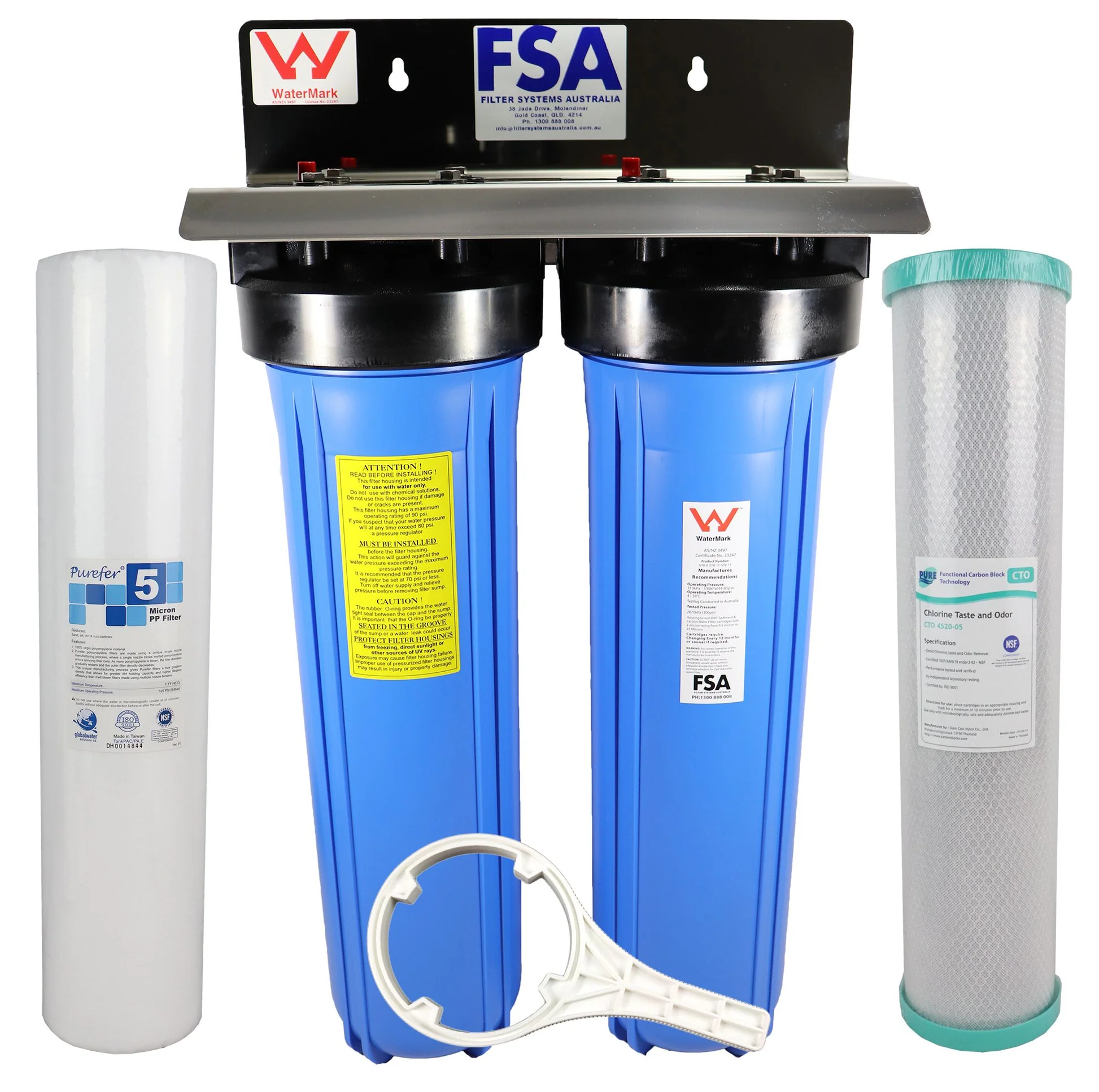
The best solution is often a multi-stage system that combines these technologies, like an under-sink RO system with a carbon pre-filter, to provide comprehensive protection.
Frequently Asked Questions (FAQ)
1. What is a good TDS level for drinking water?
While the EPA recommends a maximum of 500 ppm, there is no single “perfect” number. A TDS level between 50 and 250 ppm is typical for high-quality tap and mineral waters and is generally considered excellent for drinking.
2. Will a standard pitcher filter (like a Brita) lower my TDS?
Not significantly. Most standard pitcher filters use activated carbon, which is designed to remove chlorine and improve taste and odor, not to reduce Total Dissolved Solids. You may see a very small drop, but only a reverse osmosis or deionization filter will dramatically lower TDS.
3. Does a high TDS reading mean my water is hard?
Often, yes. The primary components of water hardness are dissolved calcium and magnesium, which are minerals that contribute to the overall TDS reading. If your TDS is high, there’s a good chance you have hard water.
4. How often should I calibrate my TDS meter?
For casual home use, you probably don’t need to calibrate it often, if at all. However, if you rely on it for something sensitive like an aquarium or hydroponics, it’s a good idea to calibrate it every few months using a proper calibration solution.
5. Can a TDS meter detect lead in my water?
No, it cannot specifically identify lead. While lead is a dissolved solid, its presence would be bundled in with all the other minerals and salts. A water source could have dangerous levels of lead but still show a “safe” overall TDS reading. To test for lead, you need a specific lead test kit or a lab analysis.
Your Partner in Pure Water
In the end, knowledge is power. Understanding the capabilities and, more importantly, the limitations of a tool like a TDS meter is the first step toward taking real control over your water quality. It’s a fantastic device for monitoring your RO system but a poor one for judging overall water safety.
Your health is too important to leave to a single number on a screen. The best approach is to find out what’s in your local water by checking your utility’s annual report, and then choosing a certified water filter that targets the specific contaminants you’re concerned about. Knowing what is a TDS meter and how to use it is a valuable part of that journey, empowering you to be a smarter, more informed consumer.