Pouring a glass of water from your tap seems like the simplest act in the world, doesn’t it? But have you ever paused and wondered what’s really in there? We often take the safety of our drinking water for granted. So, when people ask me, Do Water Filters Remove Bacteria And Viruses, they’re asking a question that gets to the very heart of their family’s health and peace of mind. The short answer is: some do, but most common ones don’t. Let’s dive into the details, and I promise to make it crystal clear.
The Invisible World in Your Water Glass
Before we talk about filters, let’s get acquainted with the microscopic troublemakers we’re dealing with. Municipal water treatment plants do a fantastic job, as mandated by agencies like the EPA, of disinfecting water before it’s sent to your home. However, things can happen along the way. A cracked pipe, a system malfunction, or runoff after heavy rain can introduce microbiological contaminants into the water supply.
These unwanted guests fall into a few main categories:
- Bacteria: Single-celled organisms like E. coli, Salmonella, and Campylobacter. They can cause a range of gastrointestinal illnesses.
- Viruses: Even smaller than bacteria, viruses like Norovirus and Hepatitis A are notoriously difficult to remove from water and can lead to serious health issues.
- Protozoa: Parasites like Giardia and Cryptosporidium, which are known for causing severe digestive distress and are highly resistant to chlorine disinfection.
While your city’s water is generally safe, the “what if” is what drives many of us to seek an extra layer of protection. After all, when it comes to health, being proactive is always the best policy.
Not All Filters Are Created Equal: The Tech Explained
Think of water filters like a set of kitchen sieves. You wouldn’t use a pasta colander to strain coffee grounds, right? The same principle applies here. The effectiveness of a filter against microbes depends entirely on its technology and the size of its pores, measured in microns (one-millionth of a meter).
Activated Carbon: The Popular Choice
This is the technology found in most basic pitcher filters and faucet attachments. Activated carbon is a rockstar at adsorption—it’s like a magnet for certain contaminants. It excels at removing chlorine, which dramatically improves taste and odor, as well as some pesticides and volatile organic compounds (VOCs).
However, its pore size is too large to physically block bacteria or viruses. Standard activated carbon filters do not reliably remove microbiological contaminants. They make your water taste great, but they aren’t a shield against germs.
Mechanical Filters and Pore Size: The “Bouncer” at the Door
This is where things get interesting. Mechanical filters work by physically blocking contaminants that are too large to pass through their microscopic pores. This is all about the micron rating.
- Microfiltration (approx. 0.1 microns): These filters have pores small enough to block protozoa like Giardia and Cryptosporidium, and most bacteria. They are a significant step up from basic carbon filters.
- Ultrafiltration (approx. 0.01 microns): Now we’re getting serious. With even smaller pores, ultrafiltration (UF) systems can block all of the above, plus some larger viruses. This is a very effective barrier.
- Nanofiltration & Reverse Osmosis (approx. 0.001 – 0.0001 microns): This is the top tier of physical filtration. Reverse Osmosis (RO) uses a semi-permeable membrane to force water through at high pressure, leaving virtually everything else behind—including the smallest viruses, bacteria, heavy metals like lead, and dissolved salts.
UV Purifiers: The Microbe Zapper
Ultraviolet (UV) purification is a different beast altogether. It doesn’t filter anything out. Instead, it uses a powerful UV-C light to scramble the DNA and RNA of bacteria, viruses, and other pathogens. Think of it as a lethal sunburn that makes it impossible for them to reproduce and cause illness.
A UV purifier is incredibly effective at neutralizing microbiological threats but doesn’t remove other contaminants like chlorine or lead. For this reason, it’s often paired with a carbon or sediment filter in a multi-stage system for comprehensive protection.
So, How Do I Know if a Filter Removes Bacteria and Viruses?
The most reliable way to know for sure is to look for specific certifications from third-party organizations like the NSF (National Sanitation Foundation). This takes the guesswork out of the equation.
“When consumers ask about microbiological safety, I always point them to the NSF/ANSI standards. These certifications aren’t just marketing fluff; they are rigorous, independent verifications that a product does what it claims. Look for NSF P231 for Microbiological Purifiers or NSF/ANSI 53 for cyst reduction—it’s your best guarantee of safety.”
— Dr. Eleanor Vance, Environmental Health Scientist
Here’s a simple table to break it down:
| Filter Technology | Removes Bacteria? | Removes Viruses? | Best For… |
|---|---|---|---|
| Activated Carbon | No | No | Improving taste, odor, removing chlorine. |
| Microfiltration | Yes | No | Backpacking, removing cysts and bacteria. |
| Ultrafiltration | Yes | Most | Comprehensive protection without removing minerals. |
| Reverse Osmosis | Yes | Yes | Ultimate purity, removing nearly all contaminants. |
| UV Purification | Yes (Inactivates) | Yes (Inactivates) | Disinfecting water, especially well water. |
How to Choose the Right Filter for Your Home
Feeling a bit overwhelmed? Don’t be. Choosing the right system is a straightforward process when you know what to look for.
- Know Your Water: The first step is to understand what’s in your water. You can get a copy of your local water quality report from your utility provider. If you have a private well, getting it professionally tested annually is non-negotiable. This tells you what problems you need to solve.
- Define Your Goal: Are you just looking to improve the taste of chlorinated city water? A simple carbon pitcher might suffice. Are you on well water or concerned about boil water advisories? You need a system certified for microbiological purification, like a UV or a high-end RO system.
- Check for Certifications: I can’t stress this enough. Look for the NSF/ANSI seals of approval. NSF/ANSI 53 can certify for cyst reduction, while NSF P231 is the gold standard for systems claiming to be microbiological purifiers.
- Consider Your Lifestyle:
- Pitchers: Good for renters and single users, but limited capacity and typically don’t remove microbes.
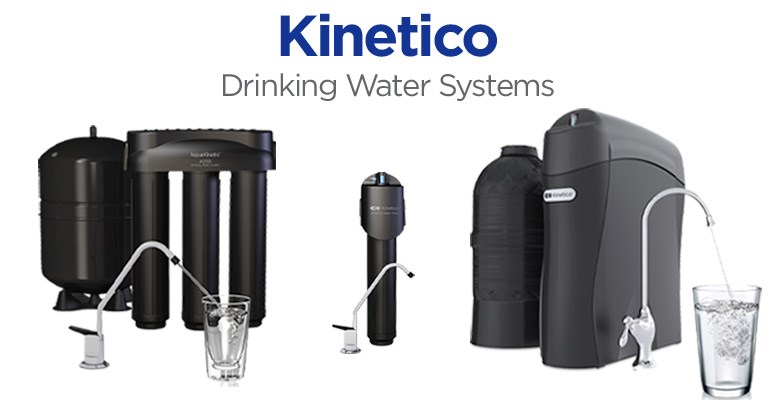
- Under-Sink Systems: A fantastic, out-of-sight solution. This is where you’ll find powerful Reverse Osmosis and Ultrafiltration systems that provide purified water right at your kitchen tap.
- Whole-House Systems: The ultimate solution for treating all water entering your home, ideal for well water users or those with serious concerns about contaminants in their plumbing.
Frequently Asked Questions (FAQ)
What’s the difference between a water filter and a water purifier?
A water filter is designed to remove sediment and specific chemical contaminants, but may not handle microbes. A water purifier is a system designed to remove or inactivate microbiological contaminants like bacteria and viruses to make water safe to drink. All purifiers are filters, but not all filters are purifiers.
Can my Brita or PUR pitcher filter remove bacteria?
No. Standard pitcher filters that use activated carbon are not designed to remove bacteria or viruses. While they are excellent for improving taste by removing chlorine, they do not provide microbiological protection.
How often should I change my water filter?
You must follow the manufacturer’s recommendations precisely. An old, clogged filter not only stops working but can become a breeding ground for bacteria, potentially making your water quality worse than unfiltered tap water.
Does boiling water kill bacteria and viruses?
Yes. Bringing water to a rolling boil for at least one minute is a time-tested method for killing all pathogens. It’s an effective emergency solution but can be impractical and energy-intensive for daily use.
Do I really need a filter that removes viruses if I’m on city water?
For most people on a reliable municipal system, the risk is very low. However, a purifier provides an extra layer of security against system failures, boil water advisories, and for individuals with compromised immune systems. It’s an investment in peace of mind.
The Final Drop
So, let’s circle back to our original question: do water filters remove bacteria and viruses? The answer is a confident yes—if you choose the right technology. Your standard pitcher filter won’t cut it, but advanced systems like reverse osmosis, ultrafiltration, and UV purifiers are specifically engineered to be your last line of defense against microscopic threats.
Investing in a quality water purification system is one of the most direct and powerful steps you can take to protect your family’s health. It turns every sip from a question mark into a statement of confidence, ensuring the water in your glass is as pure and safe as it is refreshing.