Pouring a glass of water from your kitchen tap should be the simplest, most natural thing in the world. It’s an act of trust—trust that the water flowing into your home is clean, safe, and life-giving. But what if I told you there might be invisible gate-crashers at this party? I’m talking about a group of chemicals that have earned a rather sinister nickname: “forever chemicals.” You’ve probably heard whispers about them, and you’re right to ask, What Are Pfas In Water?
It’s a question I’ve spent years helping people answer, not just as a water quality expert, but as someone who was once just as concerned as you are. The thought of my family drinking water with hidden contaminants was unsettling, to say the least. Let’s pull back the curtain on PFAS, ditch the confusing jargon, and get straight to what you need to know to protect the people you love.
So, What Are PFAS, Really? The ‘Forever Chemical’ Explained
PFAS is short for per- and polyfluoroalkyl substances. I know, it’s a mouthful. That’s why most people just stick with PFAS. Think of it as a huge family name for thousands of different man-made chemicals. The two most infamous members of this family are PFOA and PFOS.
What makes them unique—and uniquely problematic—is their chemical structure. Imagine building something with LEGOs, but instead of just clicking them together, you use industrial-strength superglue. That’s kind of like the bond between carbon and fluorine atoms in PFAS. It’s one of the strongest bonds in organic chemistry, which means these chemicals don’t break down easily in the environment or in our bodies. Hence, the name “forever chemicals.”
They’ve been used since the 1940s in all sorts of products because they’re fantastic at resisting heat, water, and oil. Some common sources include:
- Non-stick cookware (like Teflon-coated pans)
- Stain- and water-resistant carpets and fabrics
- Food packaging (think microwave popcorn bags and fast-food wrappers)
- Firefighting foam, used at airports and military bases
The problem is, through industrial discharge, landfill leakage, and everyday use, these incredibly persistent chemicals have made their way into our soil, air, and, most critically, our water sources.
The Health Concerns: Why PFAS in Water is a Big Deal
So they stick around. What’s the harm? Well, this is where the conversation gets serious. Because they don’t break down, PFAS can accumulate in our bodies over time—a process called bioaccumulation. The U.S. Environmental Protection Agency (EPA) and other health organizations have linked long-term exposure to PFAS, even at very low levels, to a host of health problems.
“The primary concern with PFAS is their persistence,” notes Dr. Eleanor Vance, an environmental health scientist. “Unlike contaminants that the body can flush out relatively quickly, these chemicals can linger for years, potentially disrupting normal bodily functions over the long term. It’s a cumulative exposure issue.”
According to the EPA, potential health effects associated with PFAS exposure include:
- Increased risk of certain cancers, including kidney and testicular cancer.
- Increased cholesterol levels.
- Effects on the immune system, reducing its ability to fight infections.
- Disruption of thyroid hormone functions.
- Developmental issues in children and infants, including low birth weight.
This isn’t meant to scare you, but to empower you. Knowing the risks is the first step toward taking meaningful action. The good news? You absolutely can take control of the water quality in your own home.
How to Effectively Remove PFAS From Your Drinking Water
Alright, let’s get to the solution. When it comes to tackling what are PFAS in water, not all water filters are created equal. You can’t just boil it away—in fact, that can concentrate the chemicals. You need filtration technology specifically designed to capture these resilient molecules.
Reverse Osmosis (RO): The Gold Standard
Think of a reverse osmosis system as the ultimate security guard for your water. It uses a special semipermeable membrane with incredibly tiny pores. Water molecules are forced through, but larger molecules, like PFAS, salts, and other contaminants, are blocked and flushed away. RO systems are widely considered the most effective method for removing a broad spectrum of contaminants, and they have a proven track record of reducing PFAS levels by up to 90% or more. They are a fantastic choice for a dedicated drinking water tap, usually installed under the kitchen sink.
Granular Activated Carbon (GAC) Filters: A Solid Contender
Activated carbon is like a super-sponge for chemicals. Its surface is covered in millions of microscopic nooks and crannies that trap and hold onto contaminants through a process called adsorption. Imagine a magnet pulling metal filings out of sand—that’s similar to how carbon attracts and holds onto PFAS molecules. High-quality activated carbon filters, especially those certified by the NSF, can be very effective at reducing PFOA and PFOS. You’ll find this technology in many countertop, under-sink, and even some pitcher filters.
Ion Exchange Resins: Another Powerful Tool
This is a more targeted approach. Ion exchange systems use tiny resin beads that are specifically designed to attract and swap places with certain contaminants. Think of it like a bouncer at a club who only lets certain people in and kicks others out. There are specialized anion exchange resins that are highly effective at capturing the negatively charged PFAS molecules. This technology is often used in whole-house systems for comprehensive protection.
The key takeaway? Always look for products that are independently certified by organizations like the NSF (National Sanitation Foundation). Specifically, look for NSF/ANSI 53 or 58 certification, which includes testing for PFOA and PFOS reduction.
Choosing the Right Water Filter for PFAS: Your Family’s Shield
Now that you know the technologies, how do you pick the right filter for your home? It really boils down to your needs, budget, and desired level of convenience.
Here’s a simple breakdown to help you compare:
| Filter Type | Primary Technology | Effectiveness on PFAS | Best For |
|---|---|---|---|
| Under-Sink RO System | Reverse Osmosis, Carbon | Very High (90%+) | The highest level of purification for drinking and cooking water from one tap. |
| Under-Sink Carbon Filter | Activated Carbon | Good to High | A simpler, often less expensive option than RO for improving taste and removing PFAS. |
| Countertop Filter | Activated Carbon, Ion Exchange | Good to High | Great for renters or those who want an easy-to-install system without plumbing. |
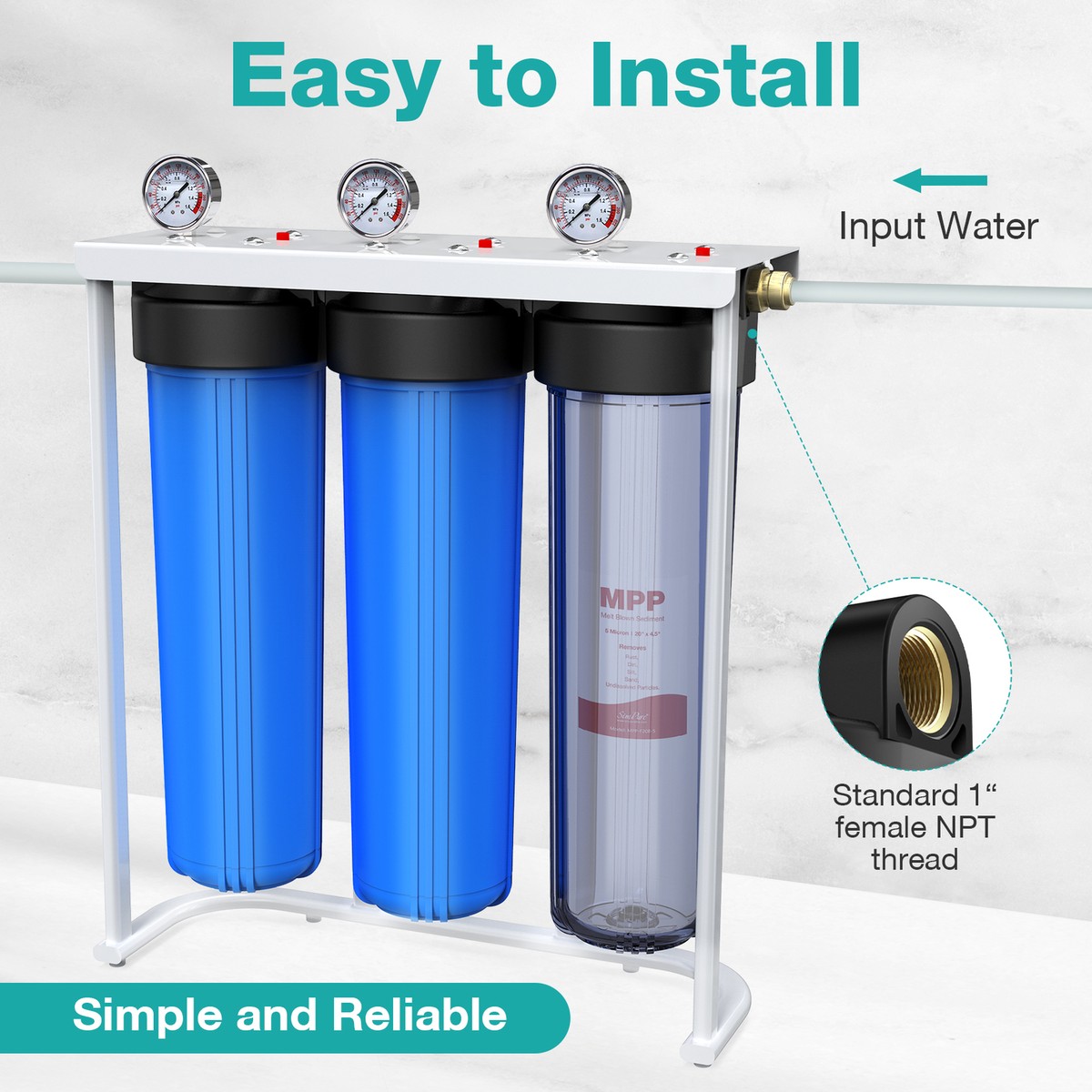
| Whole-House Filter | Activated Carbon, Ion Exchange | Good to High | Protecting every tap in your home, including showers and laundry. |
| Water Filter Pitcher | Activated Carbon | Varies (Often Lower) | A budget-friendly starting point, but check for specific NSF certification for PFAS. |
Your home is your sanctuary. Investing in the right water filtration system is like installing a shield that protects your family from unseen threats every single day.
How Do I Know If I Have PFAS in My Water?
This is a fantastic question. You can start by checking the annual water quality report from your local water utility (often called a Consumer Confidence Report or CCR). If you have a private well or want more detailed information, you can have your water tested by a state-certified laboratory. This will give you a precise picture of what’s in your water and help you make an even more informed decision.
Frequently Asked Questions
1. Can boiling water remove PFAS?
No, boiling water does not remove PFAS. Because PFAS are stable at high temperatures, boiling will actually cause some of the water to evaporate, which can slightly increase the concentration of the chemicals left behind.
2. What level of PFAS in water is considered safe?
In June 2022, the EPA issued new health advisories for PFOA and PFOS that are near zero, reflecting the latest science that some negative health effects may occur at levels so low they cannot currently be detected. This emphasizes the importance of using effective filtration to reduce exposure as much as possible.
3. Do all refrigerator water filters remove PFAS?
Not necessarily. While many refrigerator filters use activated carbon, most are primarily designed to improve taste and odor by removing chlorine. You must check if a specific filter model is NSF/ANSI 53 certified for PFOA/PFOS reduction.
4. How often should I change a filter that removes PFAS?
Always follow the manufacturer’s recommendations. An old, saturated filter is an ineffective filter. Over time, a carbon filter can become clogged with contaminants and will no longer be able to adsorb PFAS, so timely replacement is crucial for continued protection.
5. Are PFAS regulated in tap water?
The regulatory landscape is evolving. While the EPA has established health advisories, they are non-enforceable. However, the agency is in the process of setting a national, legally enforceable drinking water standard for PFAS. In the meantime, many states have set their own regulations.
Your Health is Worth the Investment
Navigating the world of water contaminants can feel overwhelming, but understanding what are PFAS in water is the first, most powerful step you can take. These “forever chemicals” are a serious issue, but they are a solvable one within your own home. By choosing a certified, high-quality water filtration system, you are not just buying a piece of equipment; you are making a profound investment in the long-term health and well-being of your family. You are reclaiming that simple act of trust—turning on the tap and knowing, with confidence, that the water you’re drinking is truly clean.