Let’s be honest, when you grab an apple from the fruit bowl, you probably give it a good rinse under the tap. You’re washing off dirt, maybe some wax, and hopefully, any lingering pesticides. But have you ever stopped to think about the water itself? It’s a slightly unsettling thought, but the very water we use to clean our food could be carrying its own set of invisible contaminants. This leads to a crucial question for anyone concerned about their family’s health: Can Water Filters Remove Pesticides from your drinking water? The simple answer is yes, but the how and which ones are where things get interesting.
It’s easy to feel a bit overwhelmed by the science of water purification. But don’t worry, that’s what I’m here for. At Water Filter To Go, we believe everyone deserves to understand what’s in their glass. My goal is to break it all down for you, turning complex jargon into simple, actionable advice. Together, we’ll explore how you can turn your tap into a source of pure, safe, and delicious water.
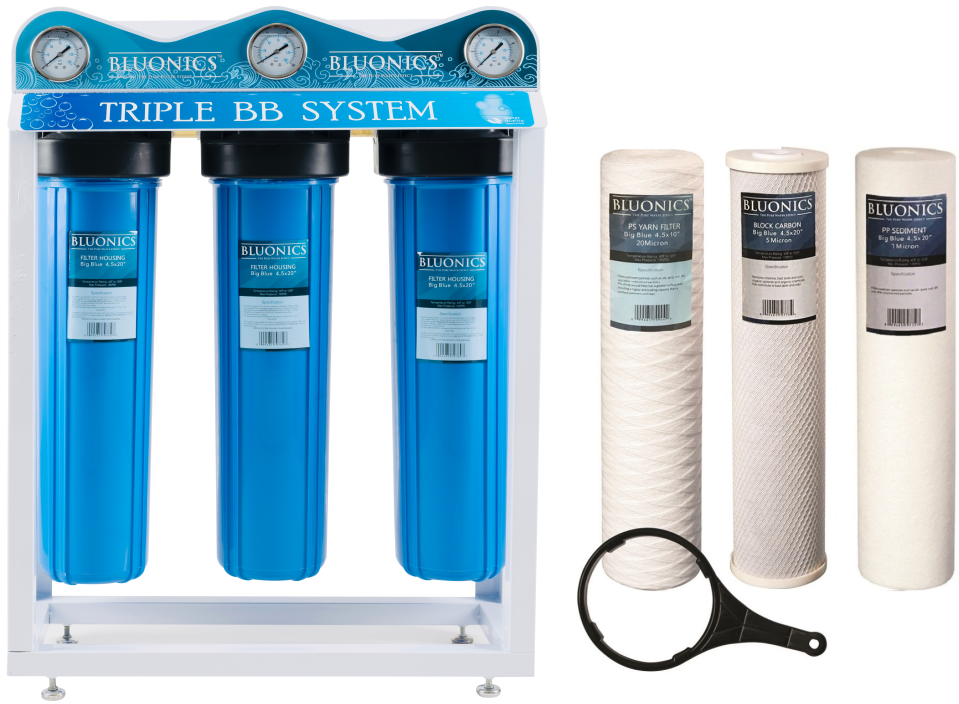
The Unseen Guest: How Do Pesticides Get Into Our Water?
You might think your tap water is shielded from things like pesticides, which belong on farms, right? Unfortunately, it’s not that simple. When farmers spray crops, rain and irrigation can wash these chemicals off the fields. From there, they seep into the ground, eventually reaching groundwater, rivers, and lakes—the very sources that supply our municipal water systems.
While treatment plants do a fantastic job of removing many impurities, trace amounts of certain pesticides can sometimes make it through. The U.S. Environmental Protection Agency (EPA) sets legal limits for many contaminants, but the presence of any level can be a concern for health-conscious families. These contaminants can include:
- Herbicides like Atrazine
- Insecticides like Lindane and Chlorpyrifos
- Fungicides used in various agricultural practices
Long-term exposure to even low levels of some pesticides has been linked to health issues, which is why taking control of your water quality at home is such a powerful step.
So, How Exactly Can Water Filters Remove Pesticides?
This is where the magic of filtration technology comes in. Not all filters are created equal, and different types use different methods to trap contaminants. When it comes to pesticides, two technologies are the true heavy-hitters: Activated Carbon and Reverse Osmosis.
Activated Carbon: The Super Sponge for Chemicals
Think of activated carbon as a highly porous sponge with a massive internal surface area. It’s not about physically blocking particles like a pasta strainer. Instead, it uses a process called adsorption.
Imagine the surface of the carbon is like a giant wall of Velcro. As water flows through it, pesticide molecules (along with other organic chemicals like chlorine) get stuck to this surface, while the clean water molecules pass right through. It’s an incredibly effective method for capturing the specific types of chemical compounds found in many common pesticides. You’ll find activated carbon in everything from simple pitcher filters to complex under-sink systems.
Bảng trống.Reverse Osmosis (RO): The Ultimate Gatekeeper
If activated carbon is a selective magnet, reverse osmosis is the ultimate bouncer at an exclusive club. An RO system forces water through a semi-permeable membrane—a filter with microscopic pores so tiny that almost nothing besides pure water molecules can get through.
This process is highly effective at removing an incredibly broad spectrum of contaminants, including:
- Pesticides and herbicides
- Heavy metals like lead and arsenic
- Chlorine and chloramine
- Fluoride
- Dissolved salts and minerals
Because it’s so thorough, reverse osmosis is considered the gold standard for home water purification.
As Dr. Eleanor Vance, an environmental health scientist, often notes, “While municipal water treatment is a modern marvel, agricultural runoff presents a persistent challenge. For true peace of mind at the tap, a certified activated carbon or reverse osmosis filter acts as the crucial final barrier, specifically targeting the complex organic compounds found in pesticides.”
Finding Your Perfect Match: Which Filter is Right for You?
Understanding the technology is one thing, but choosing a product is another. Let’s look at the most common types of filters and how they stack up for pesticide removal.
| Filter Type | Primary Technology | Effectiveness on Pesticides | Pros | Cons |
|---|---|---|---|---|
| Water Pitcher Filter | Granular Activated Carbon (GAC) | Good | Inexpensive, portable, no installation | Small capacity, slow, frequent filter changes |
| Faucet-Mount Filter | Carbon Block | Very Good | Easy to install, on-demand filtered water | Can slow water flow, not compatible with all faucets |
| Under-Sink Filter | Carbon Block, Reverse Osmosis | Excellent | High capacity, out of sight, very effective | More expensive, requires installation, RO wastes some water |
| Whole-House Filter | Large Carbon Tanks | Very Good to Excellent | Filters all water in your home | Highest initial cost, professional installation needed |
A Quick Guide to Choosing
- Assess Your Needs: Are you just looking to filter drinking and cooking water? An under-sink or pitcher filter might be perfect. Do you want filtered water for showering and laundry too? A whole-house system is the way to go.
- Check for Certifications: This is non-negotiable. Look for filters certified by the NSF (National Sanitation Foundation). Specifically, NSF/ANSI 53 is the standard for the removal of health-related contaminants, including many pesticides. NSF/ANSI 58 is the certification for reverse osmosis systems. This certification is your proof that the filter does what it claims to do.
- Consider Maintenance: Every filter needs its cartridge replaced regularly to remain effective. Be realistic about how often you’re willing to do this. A clogged filter isn’t just ineffective; it can become a breeding ground for bacteria.
Your Water Filter Maintenance Checklist
Owning a water filter is a commitment, but it’s a simple one. Here’s a quick checklist to keep your water pure and your system running smoothly:
- [ ] Mark Your Calendar: As soon as you install a new filter, mark the replacement date in your calendar or set a recurring reminder on your phone.
- [ ] Follow Manufacturer’s Guidelines: Don’t try to stretch the life of a filter. The recommended lifespan is based on its capacity to adsorb contaminants effectively.
- [ ] Notice Changes in Flow or Taste: If your water starts to taste different or the flow rate drops significantly, it’s a clear sign your filter is clogged and needs changing.
- [ ] Keep it Clean: Periodically clean the filter housing (the pitcher, the faucet mount, etc.) according to the instructions to prevent any buildup.
Frequently Asked Questions (FAQ)
What is the most effective type of water filter for removing pesticides?
Reverse osmosis (RO) systems are generally the most effective, as they remove the widest range of contaminants. However, high-quality activated carbon filters certified under NSF/ANSI 53 are also excellent and specifically tested for their ability to reduce many common pesticides.
Does boiling water get rid of pesticides?
No, boiling water does not remove pesticides. In fact, as some of the water evaporates, it can actually slightly increase the concentration of these chemicals in the remaining water. Boiling is only effective for killing biological contaminants like bacteria and viruses.
How do I know if there are pesticides in my tap water?
The best way is to get a copy of your local water utility’s annual water quality report (also known as a Consumer Confidence Report). For more detailed information, you can also use an independent home water testing kit or send a sample to a certified lab.
Are Brita filters effective at removing pesticides?
Some Brita filters, particularly their more advanced models, can reduce certain pesticides like lindane. However, it’s crucial to check the specific model’s certification and performance data sheet to see exactly which contaminants it’s certified to remove and to what extent.
Will a water filter remove beneficial minerals from my water?
Activated carbon filters generally do not remove healthy minerals like calcium and magnesium. Reverse osmosis systems, on the other hand, do remove most minerals along with the contaminants. Some RO systems include a final “remineralization” stage to add some of these beneficial minerals back into the water for better taste and health.
The Clear Choice for Your Family’s Health
Navigating the world of water quality can seem daunting, but it boils down to a simple truth: you have the power to ensure every sip of water in your home is clean and safe. Investing in the right water filtration system is one of the most direct and impactful decisions you can make for your family’s well-being.
So, can water filters remove pesticides? Absolutely. With technologies like activated carbon and reverse osmosis, you can effectively create a final, reliable barrier against these and many other unwanted contaminants. By choosing a certified filter that fits your lifestyle, you’re not just buying a piece of equipment; you’re investing in peace of mind. And that’s something we can all raise a glass to.